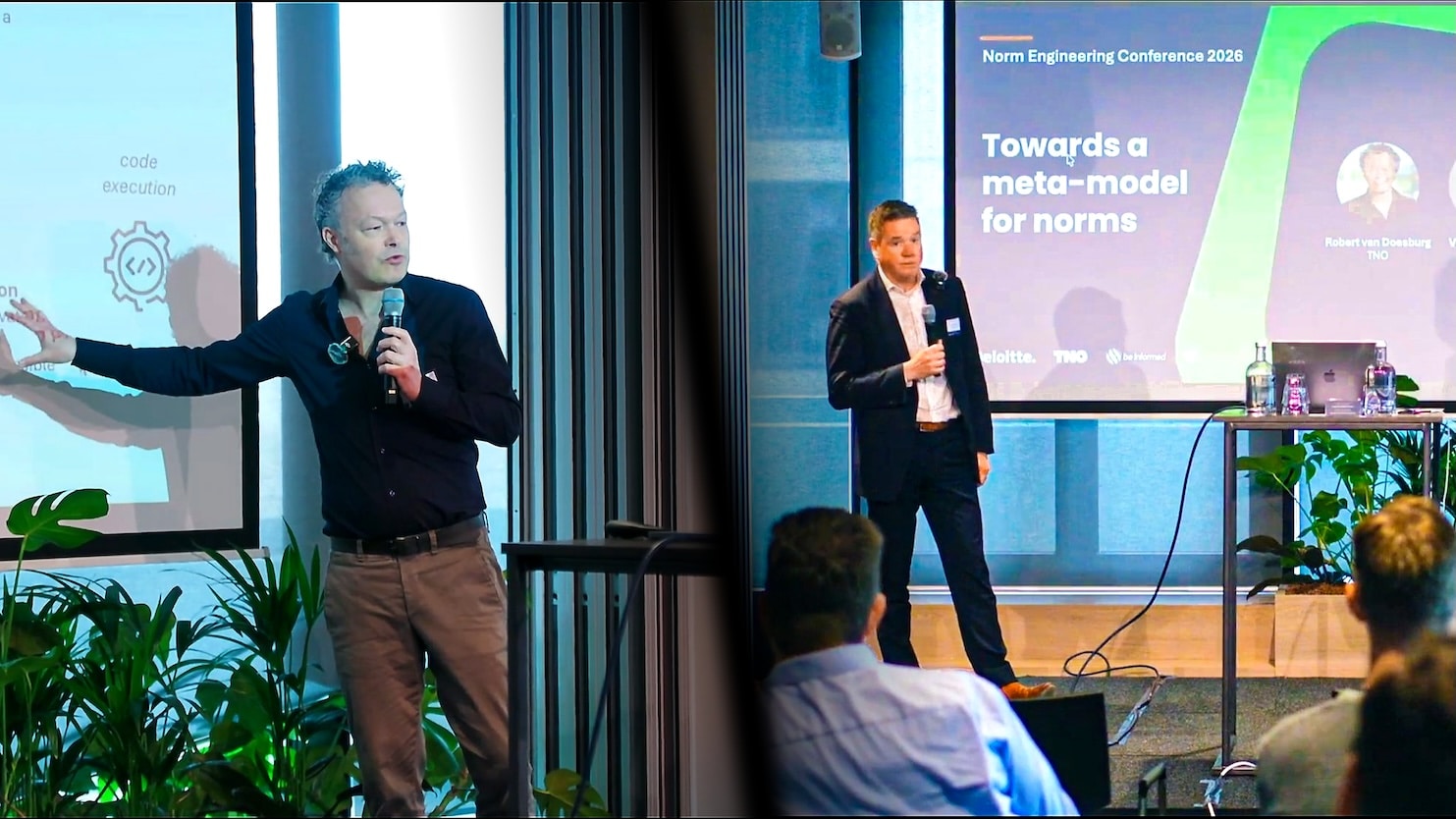
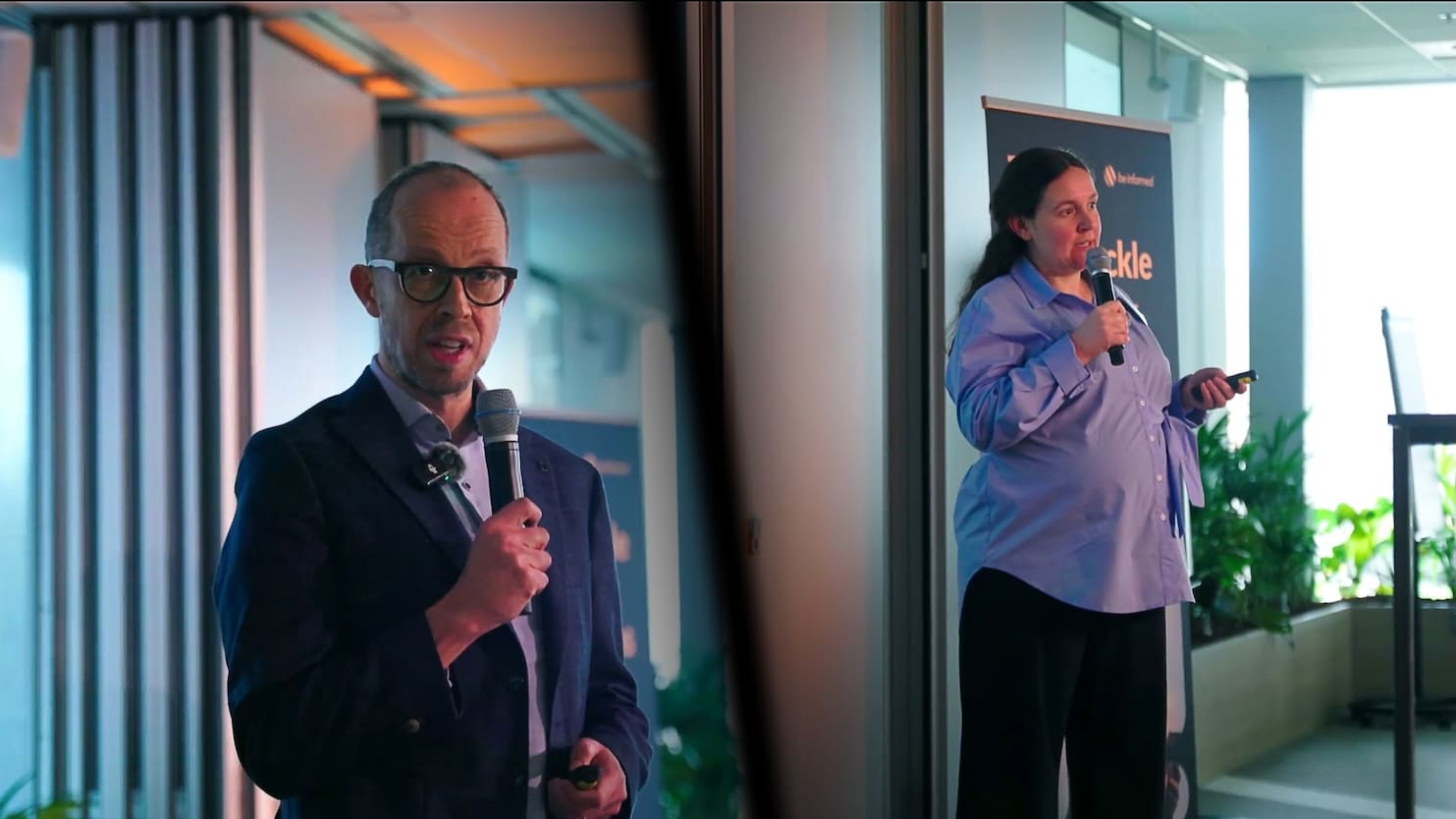
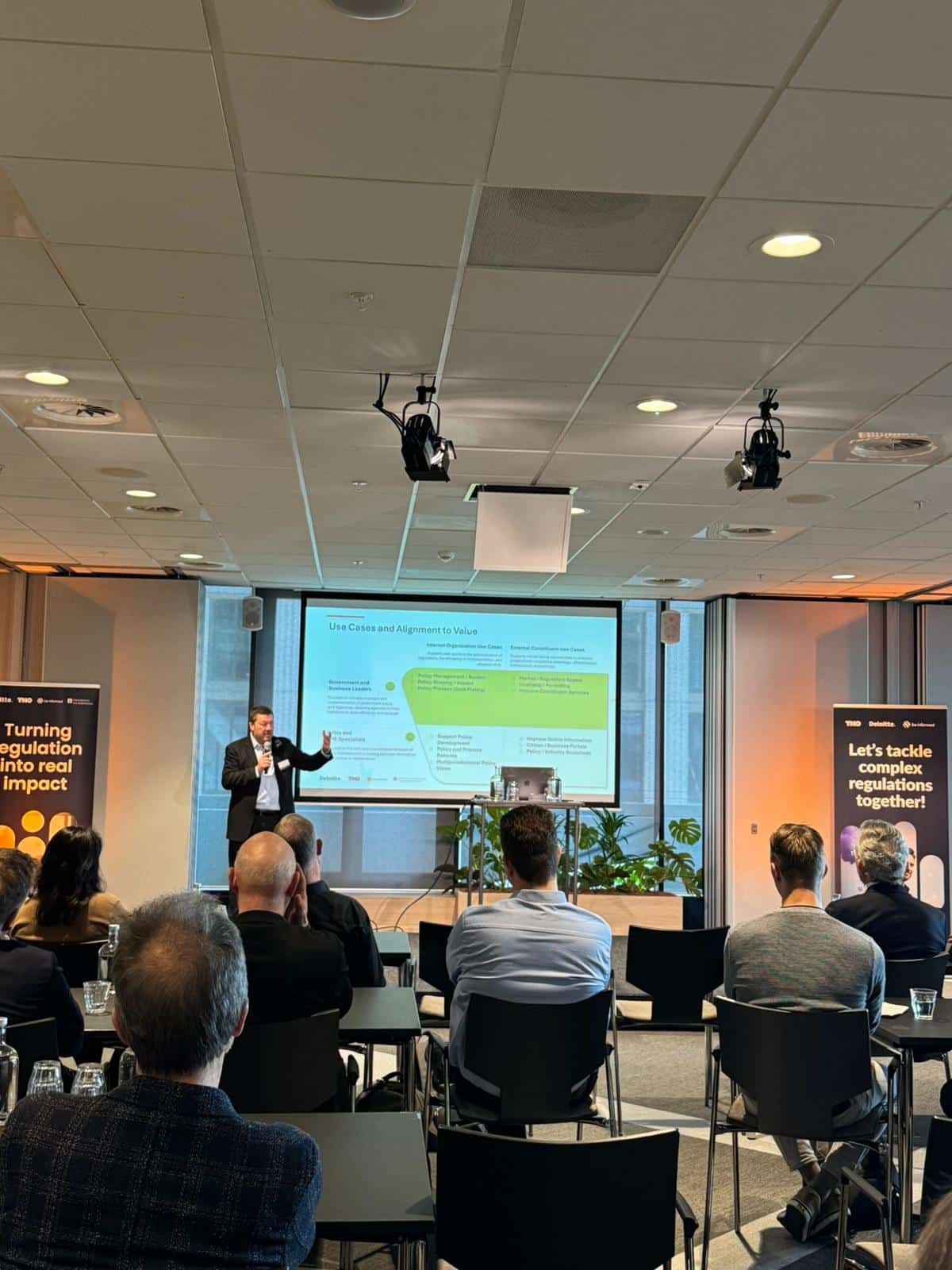
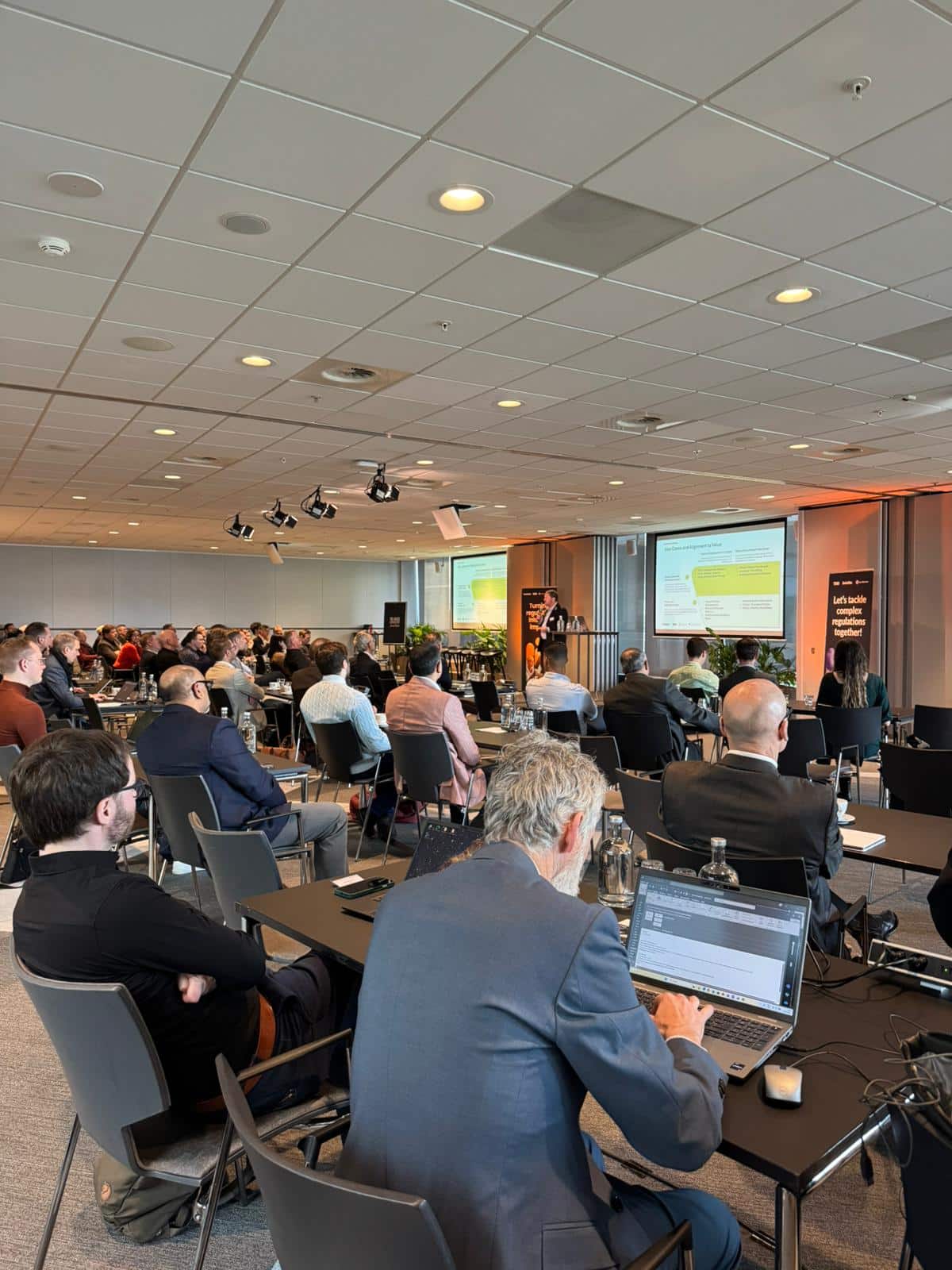
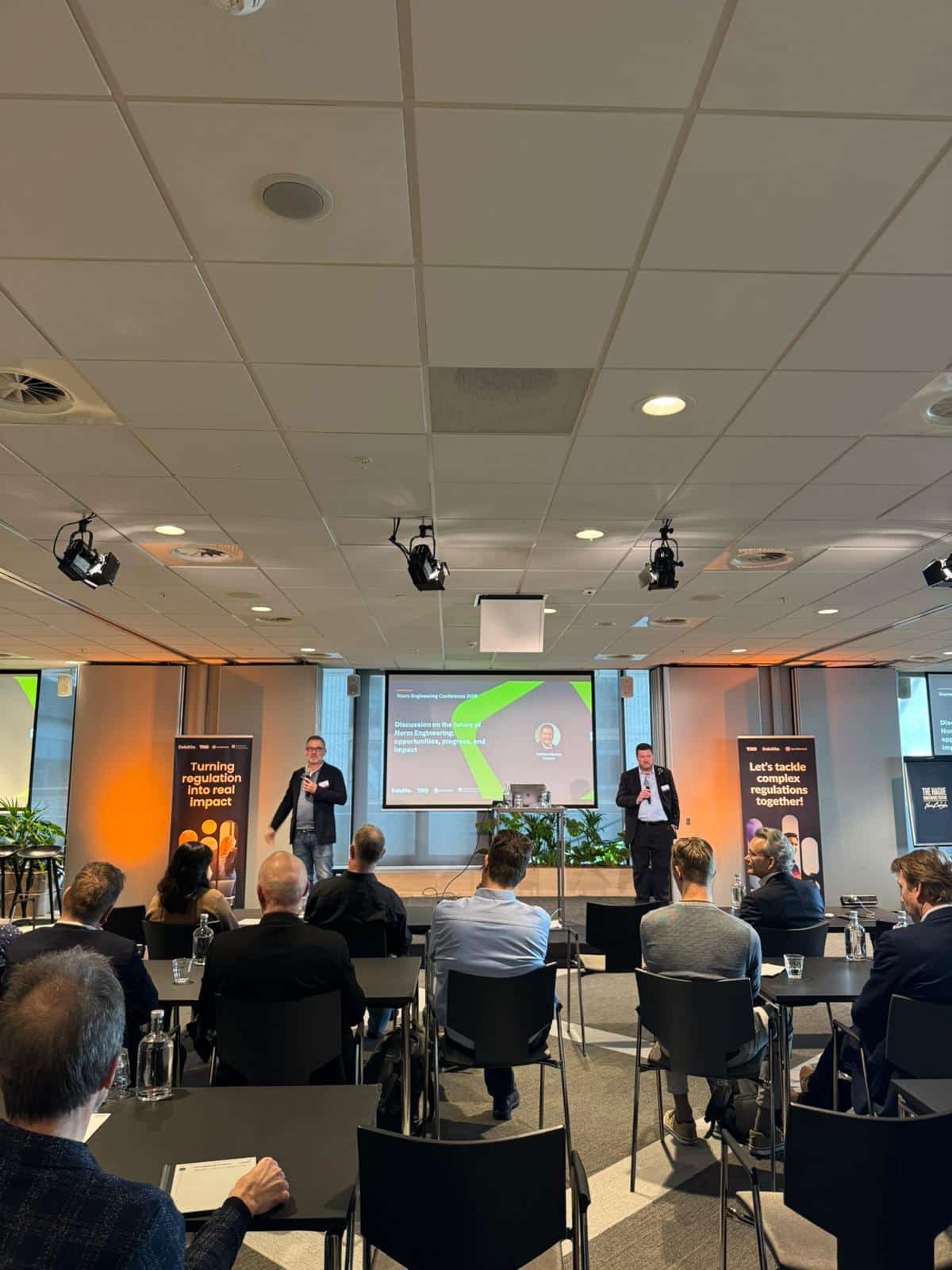
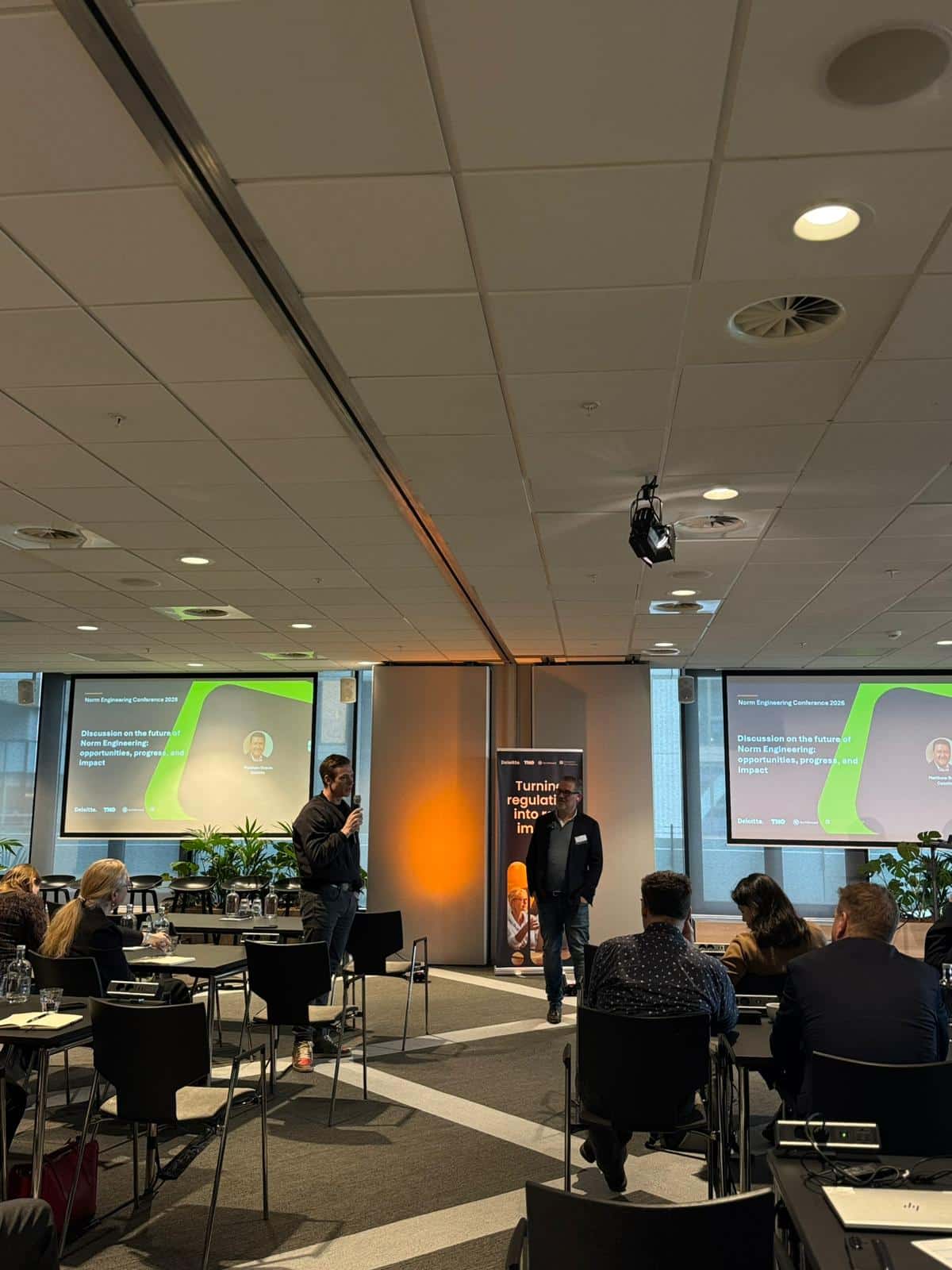
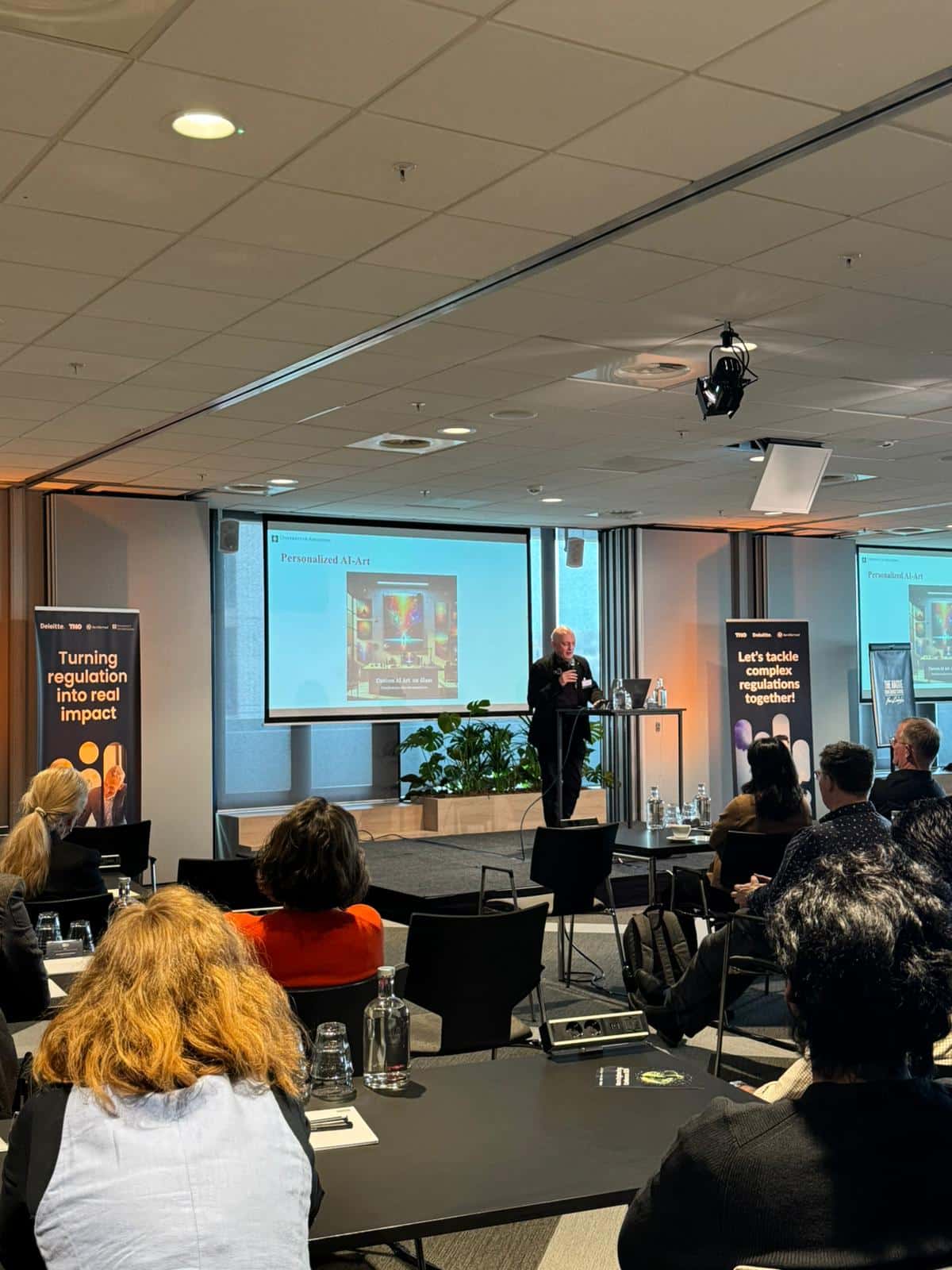
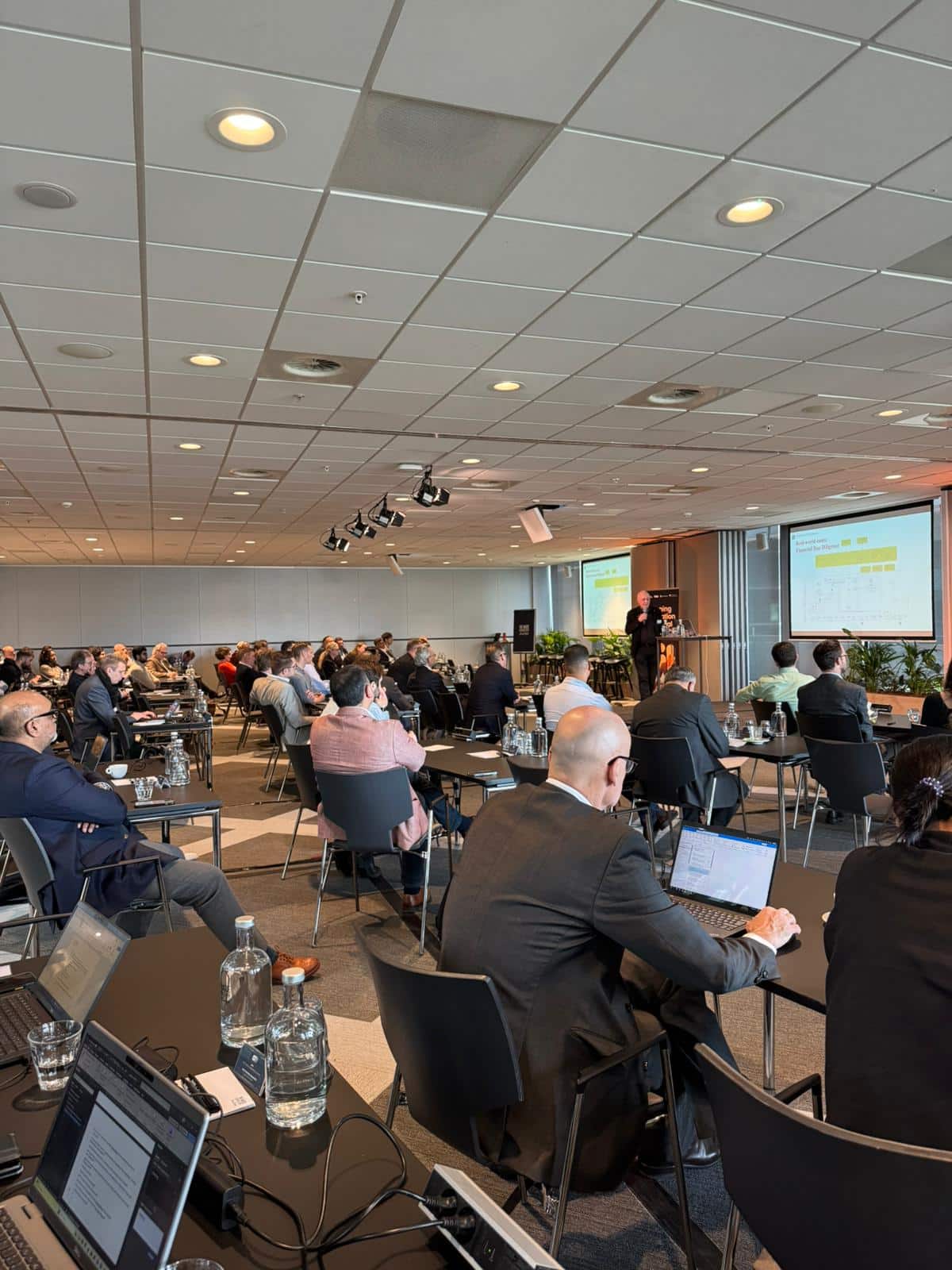
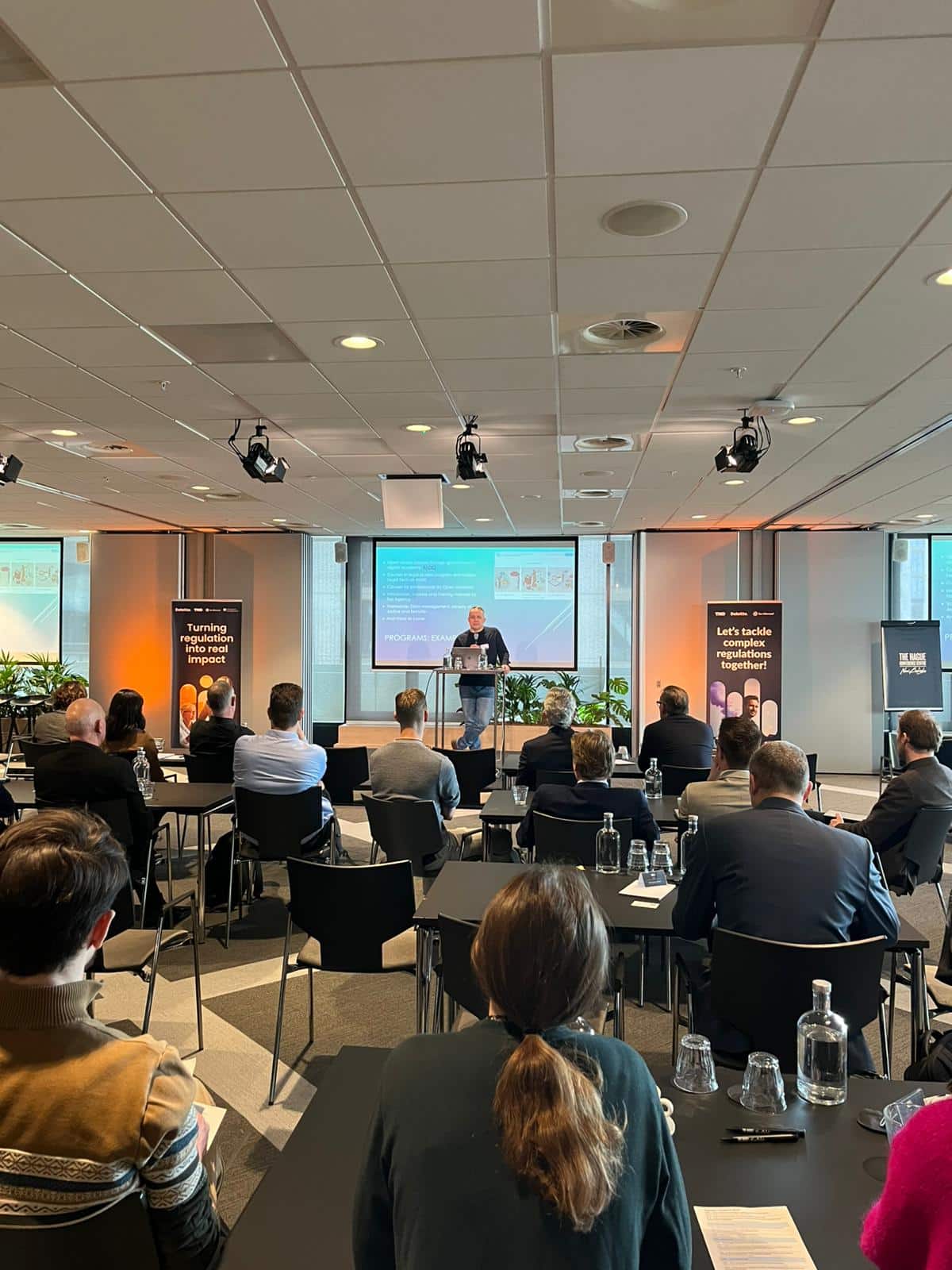
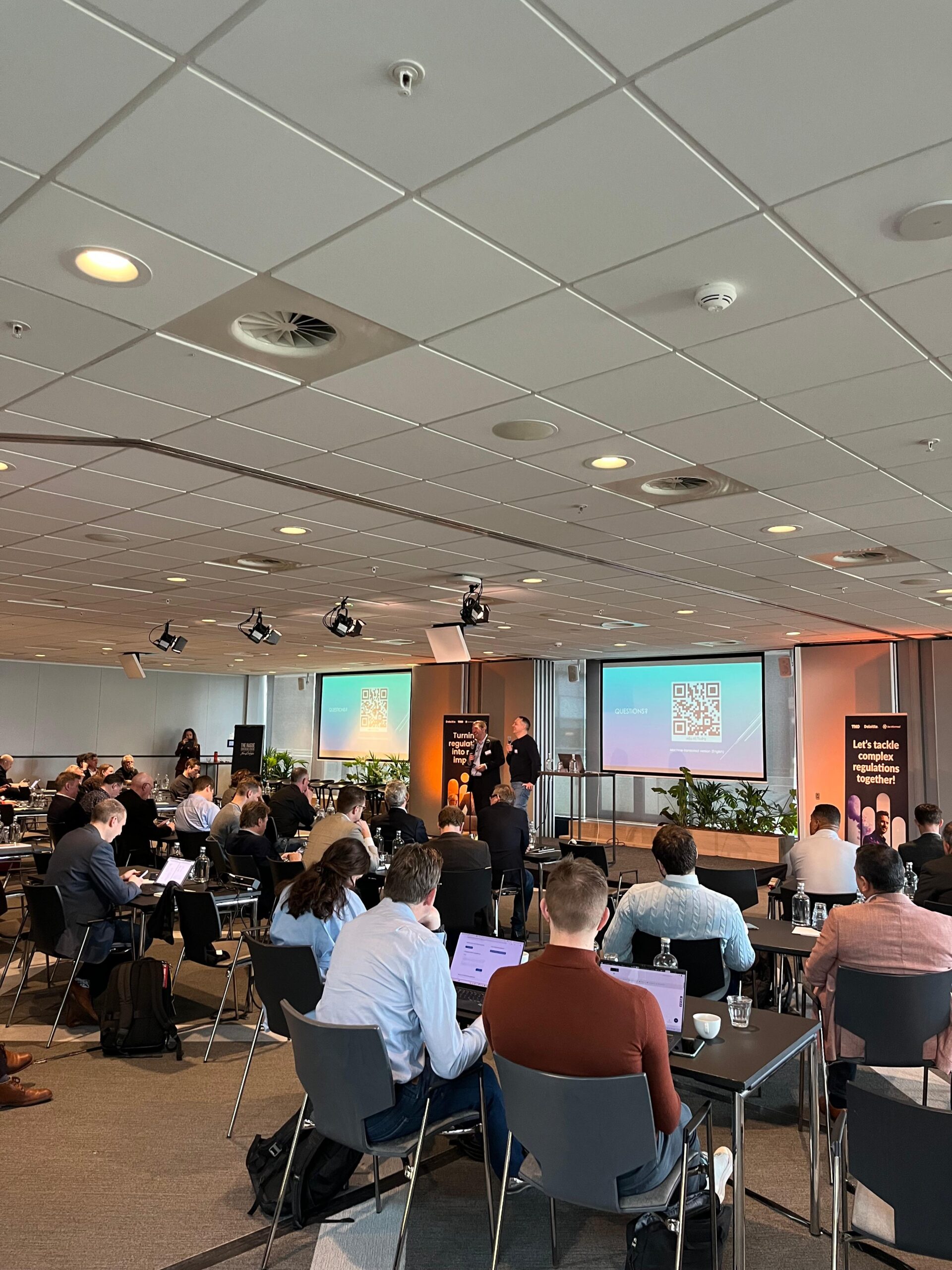
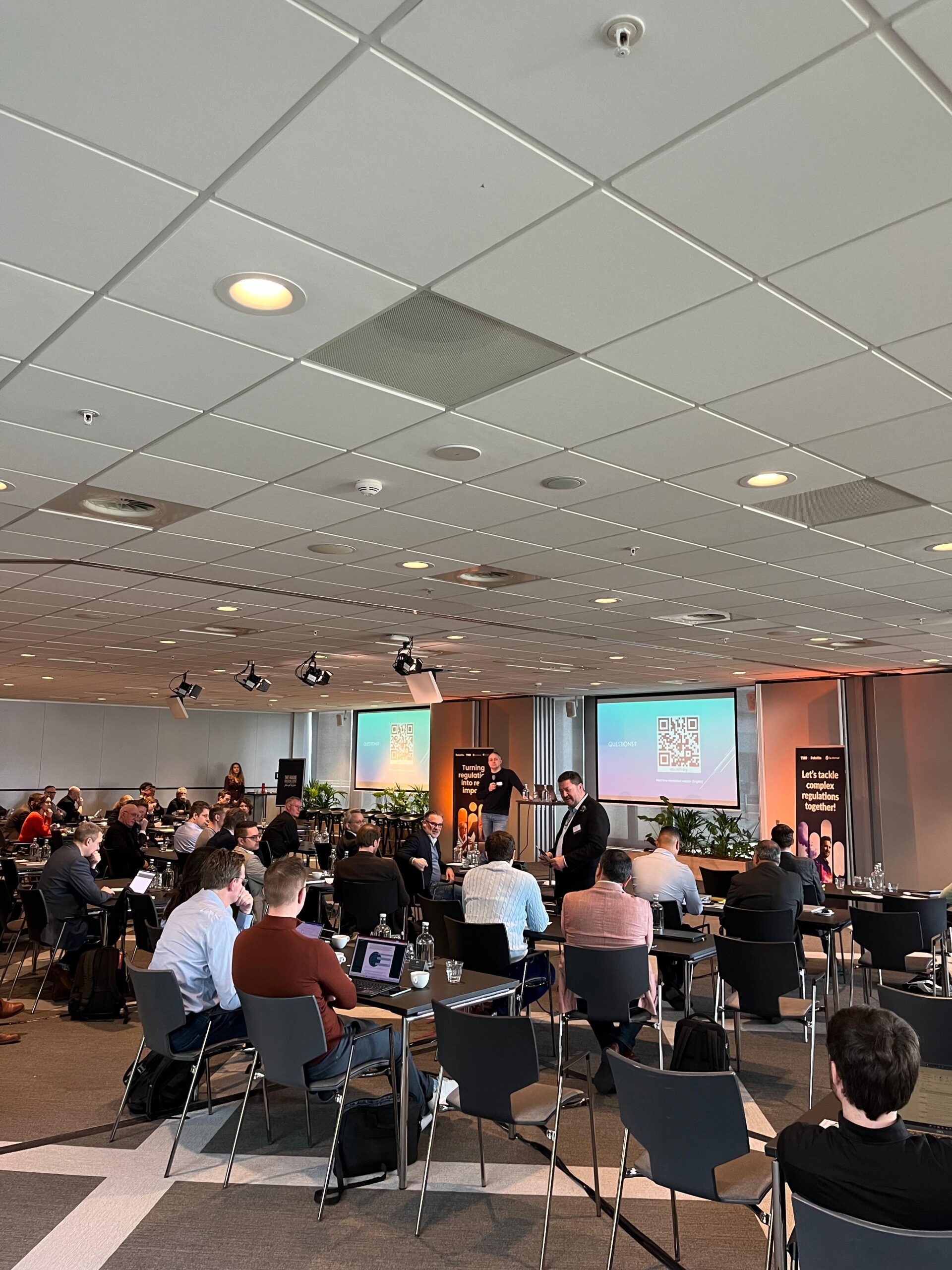
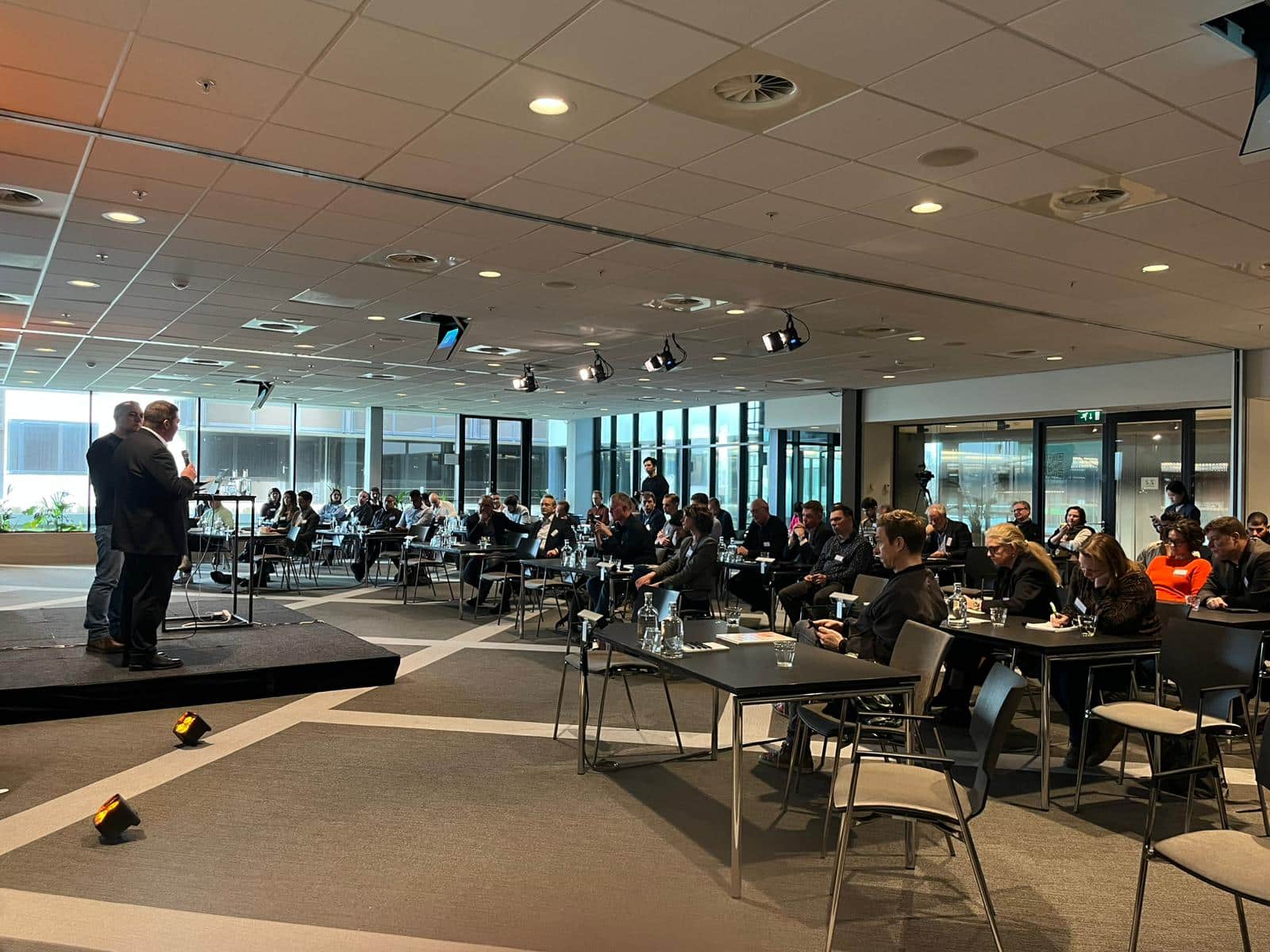
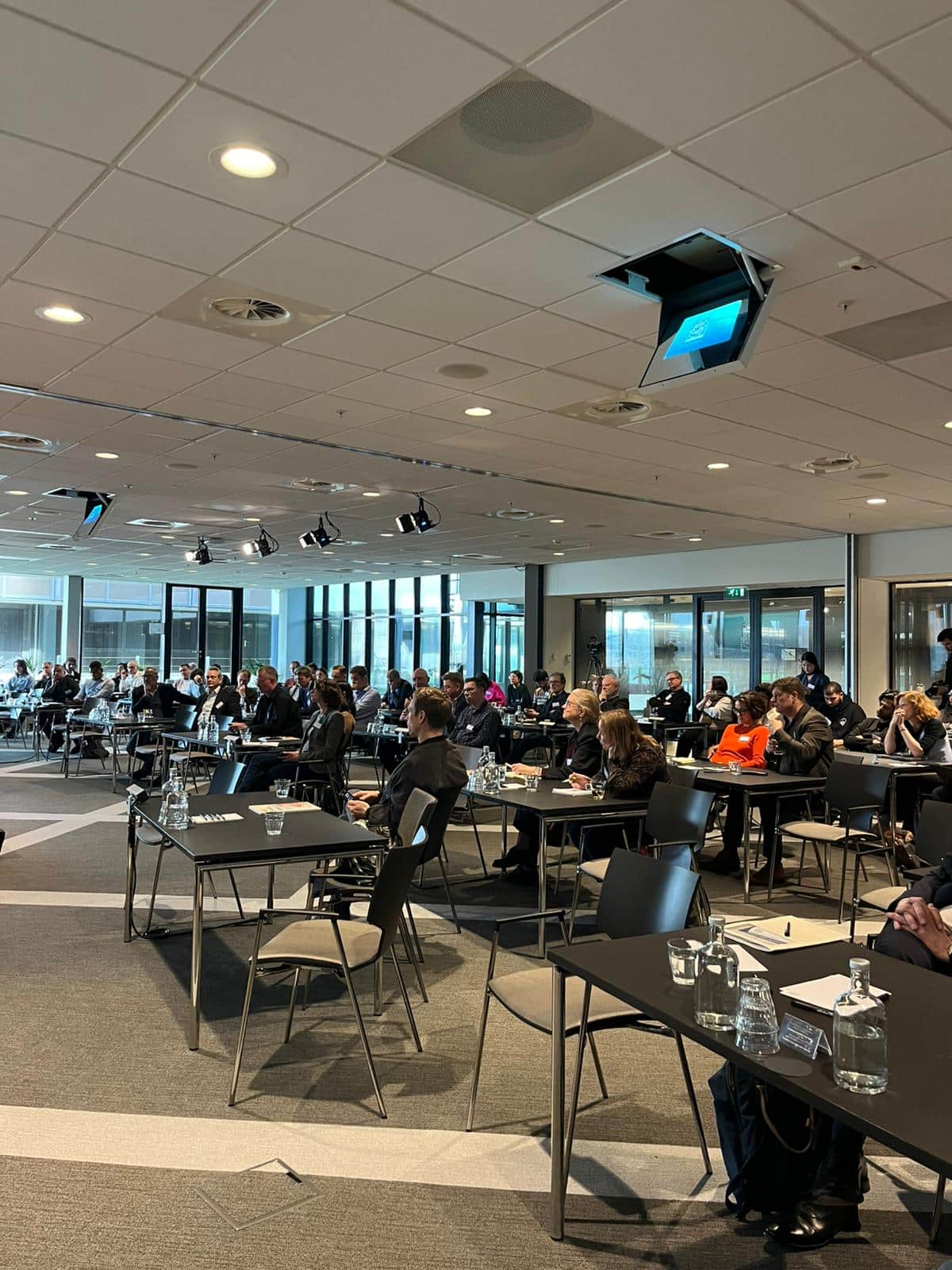
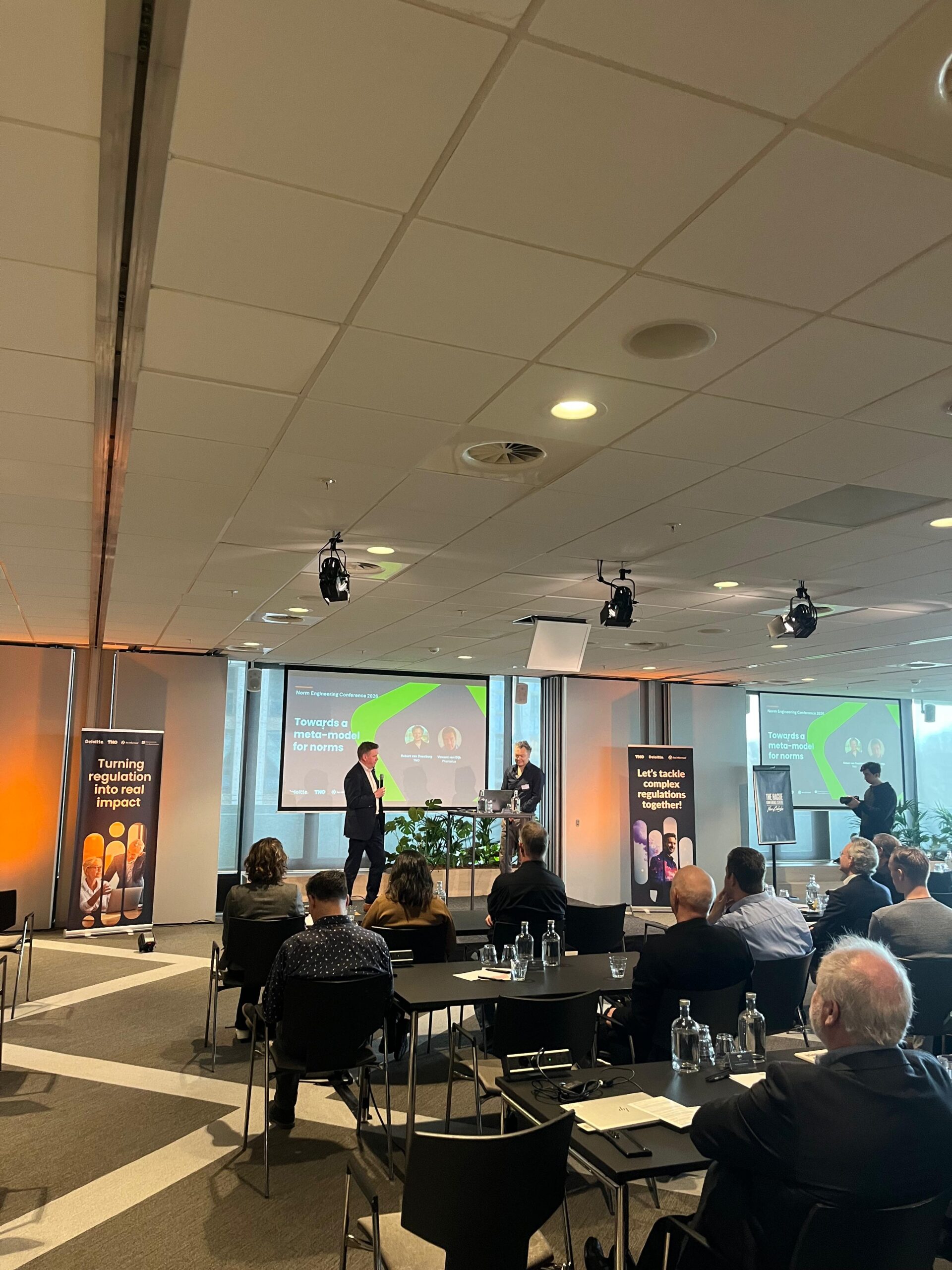
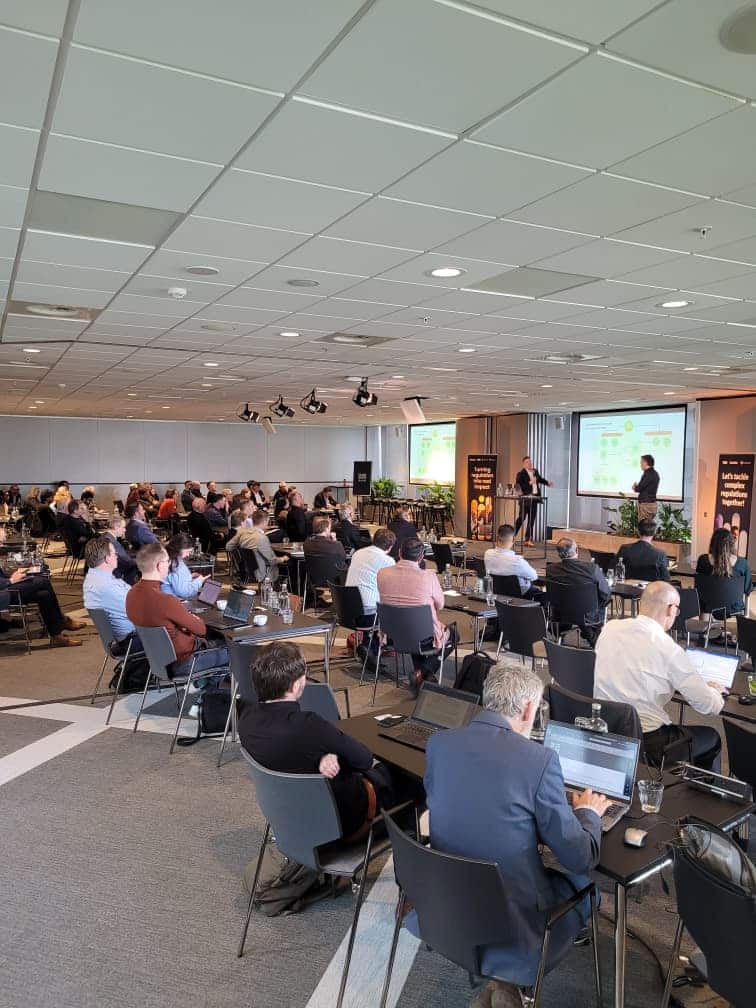
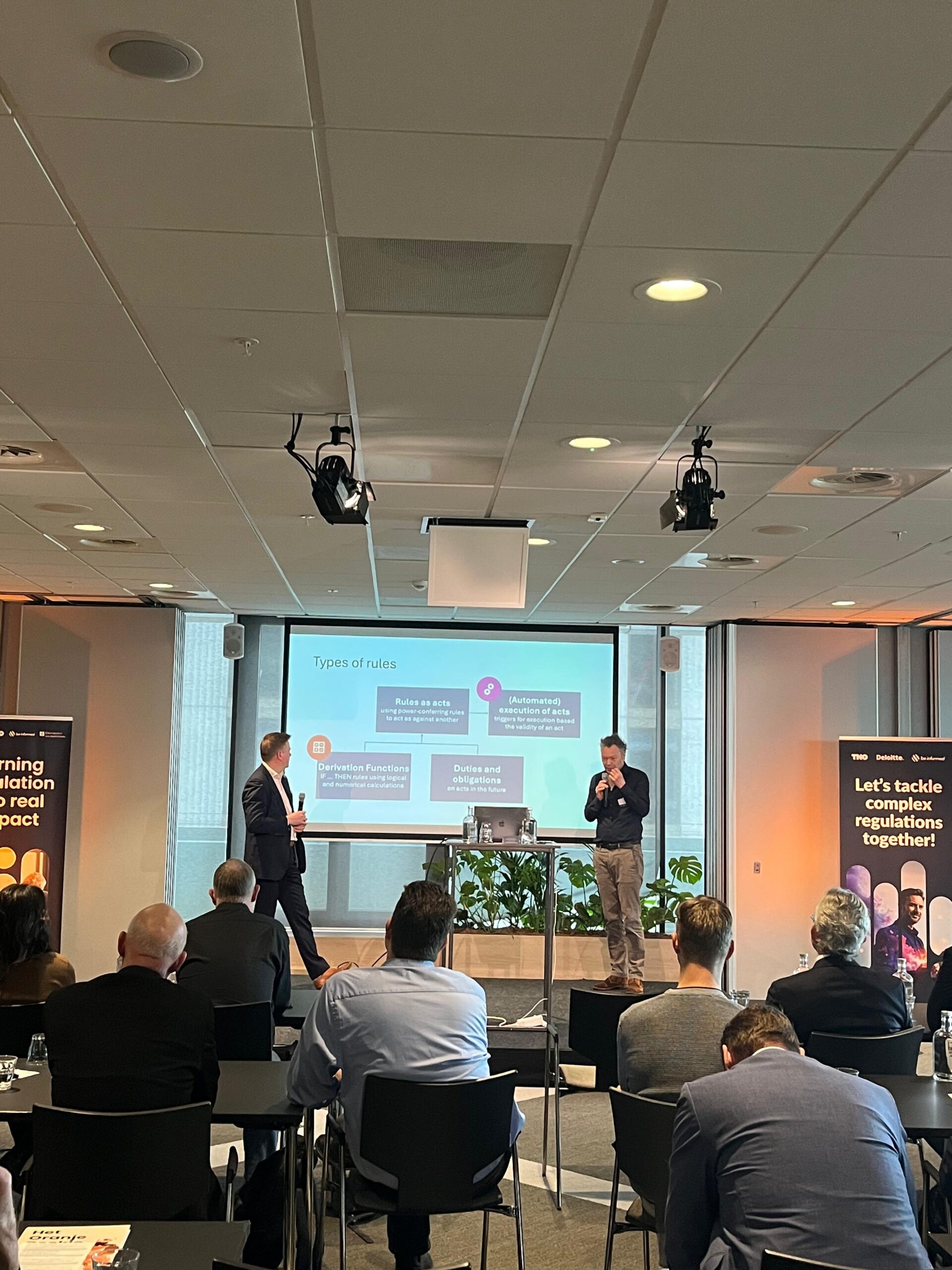
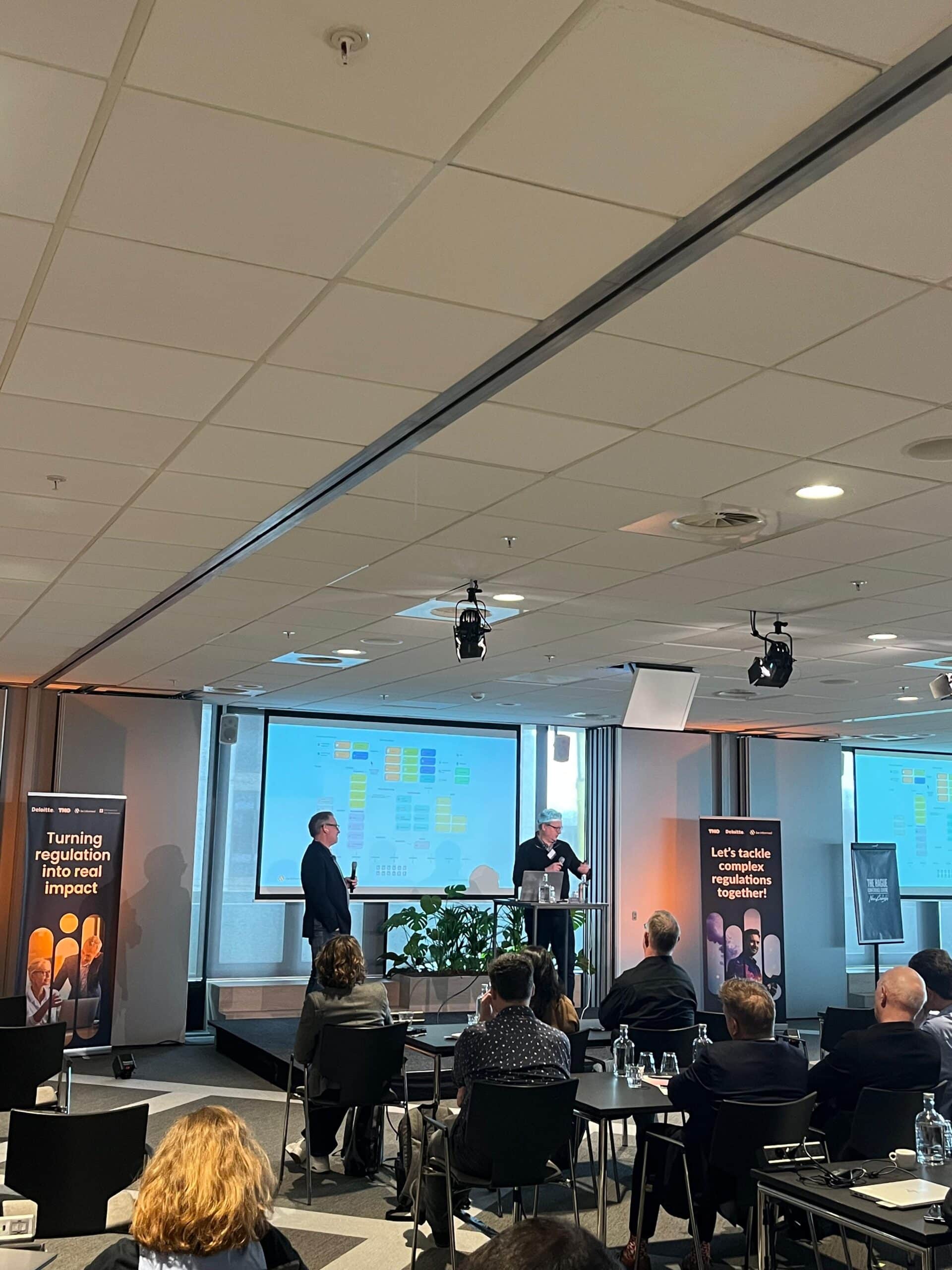
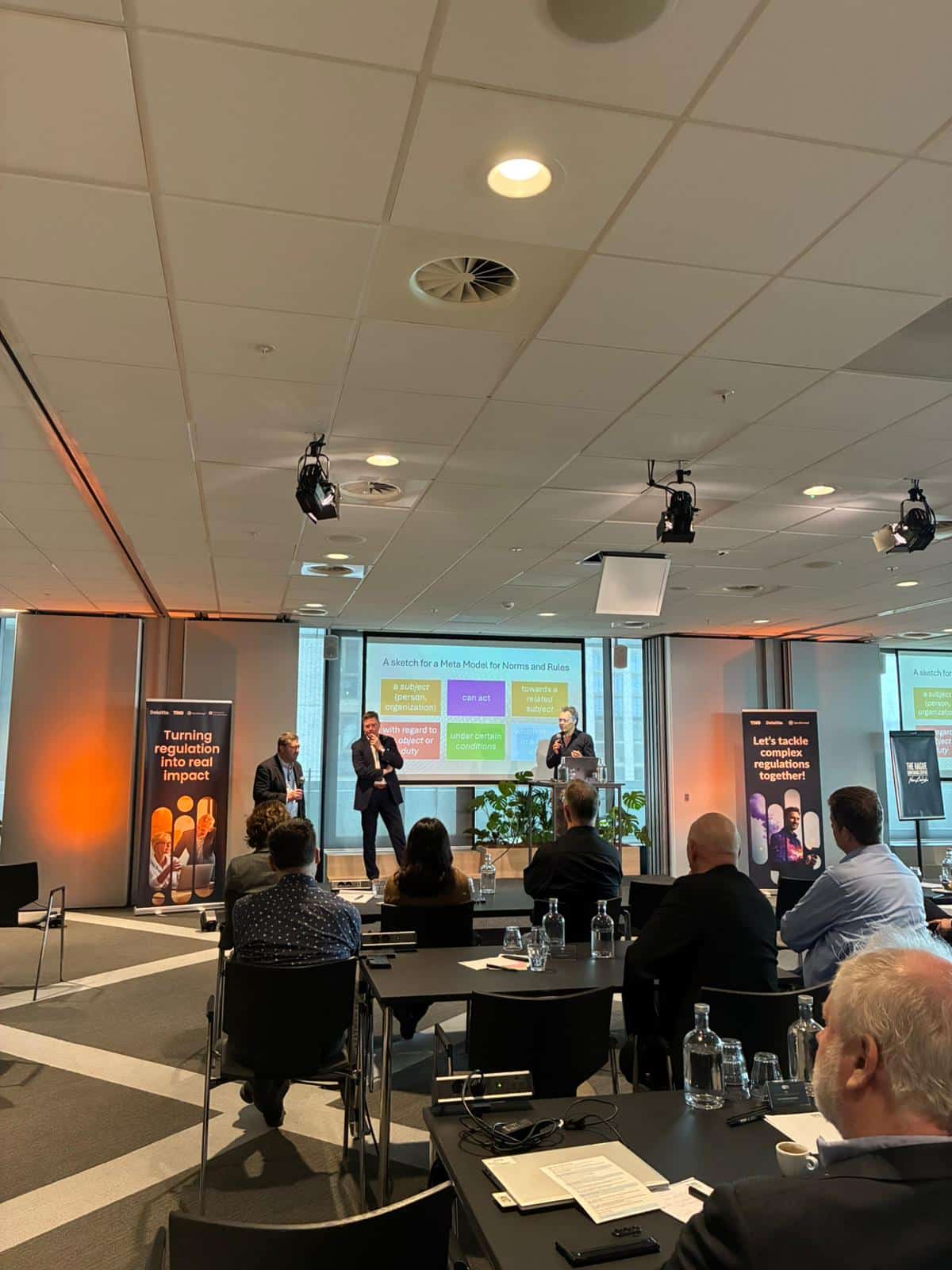
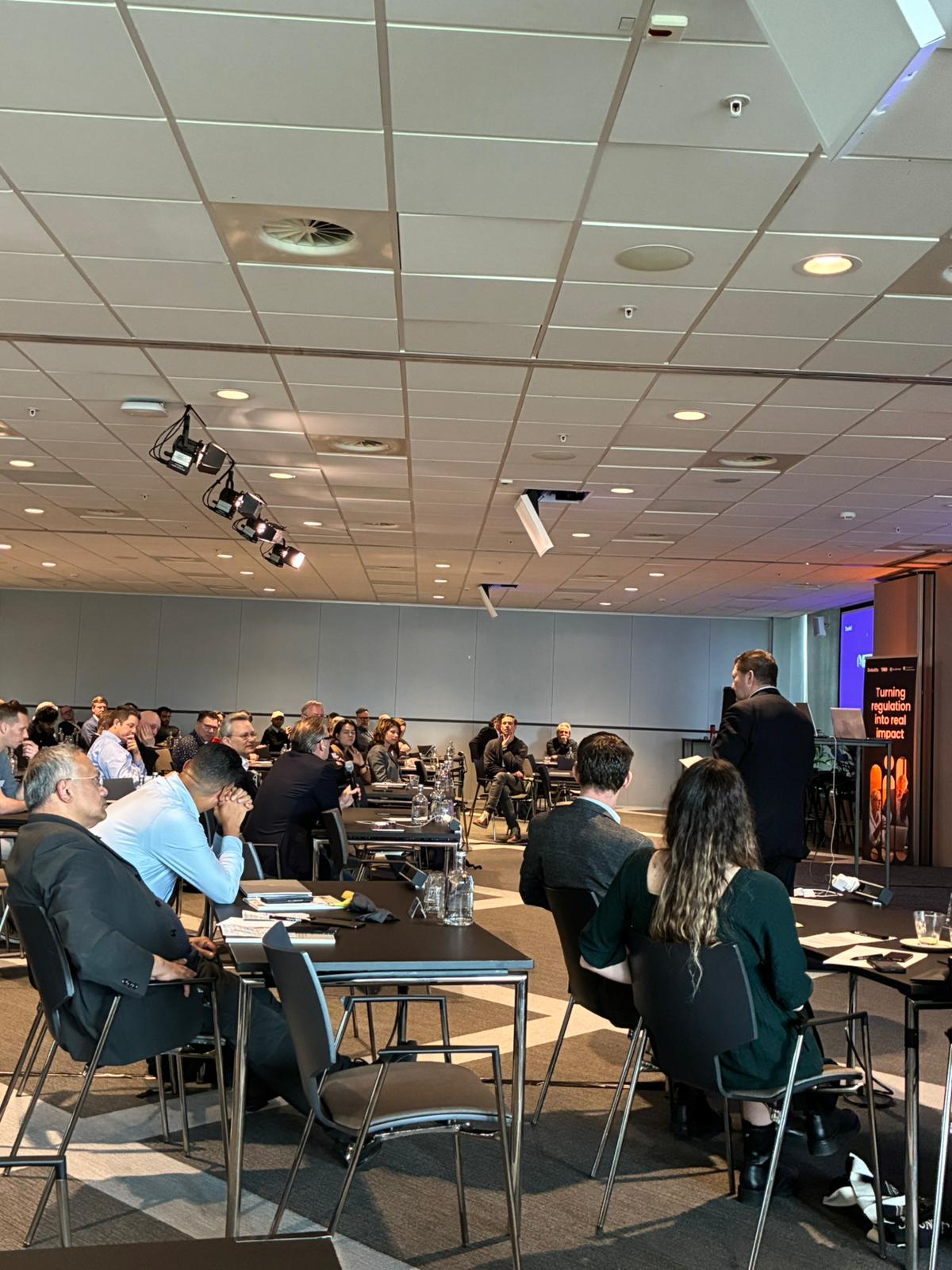
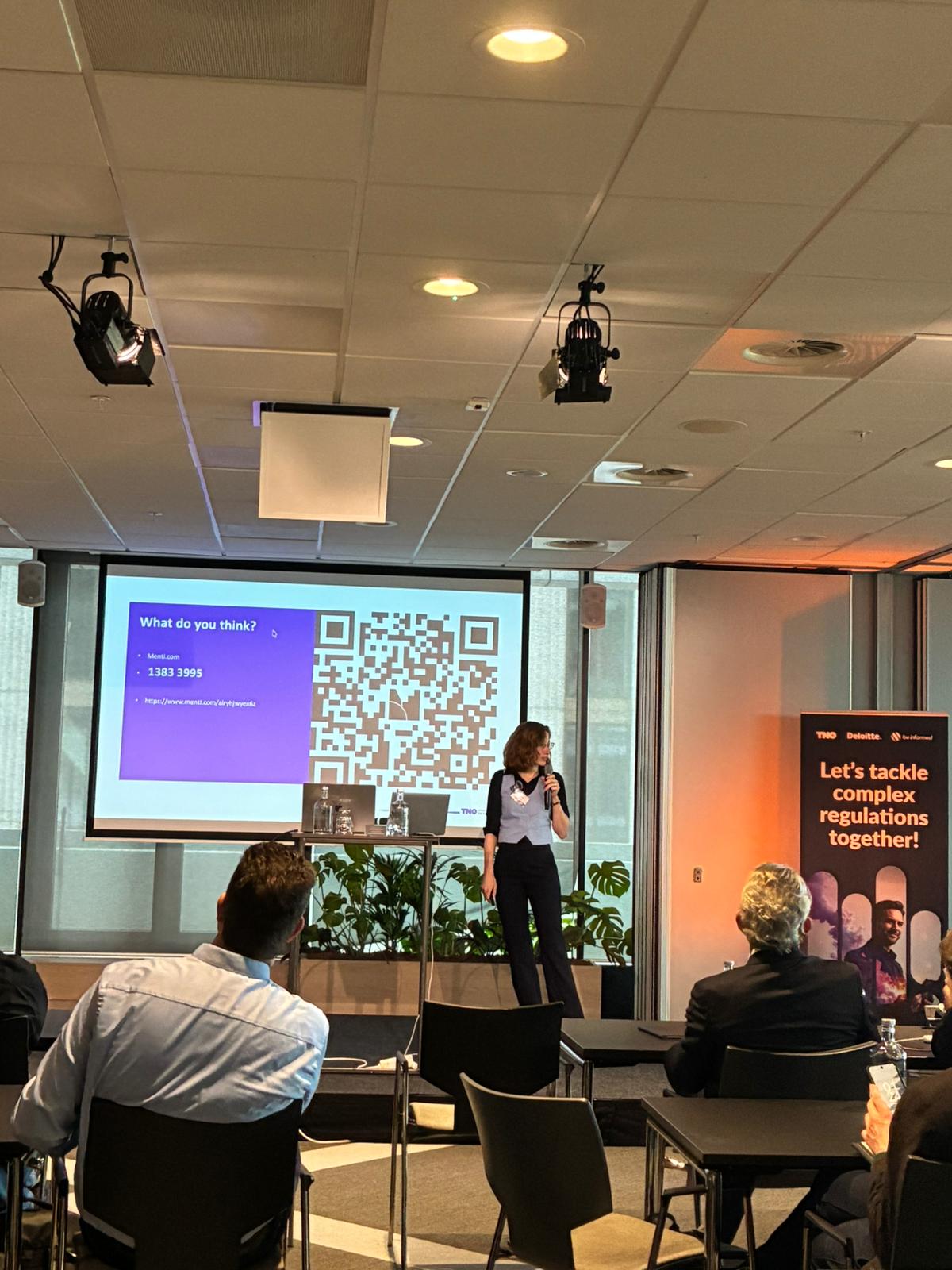
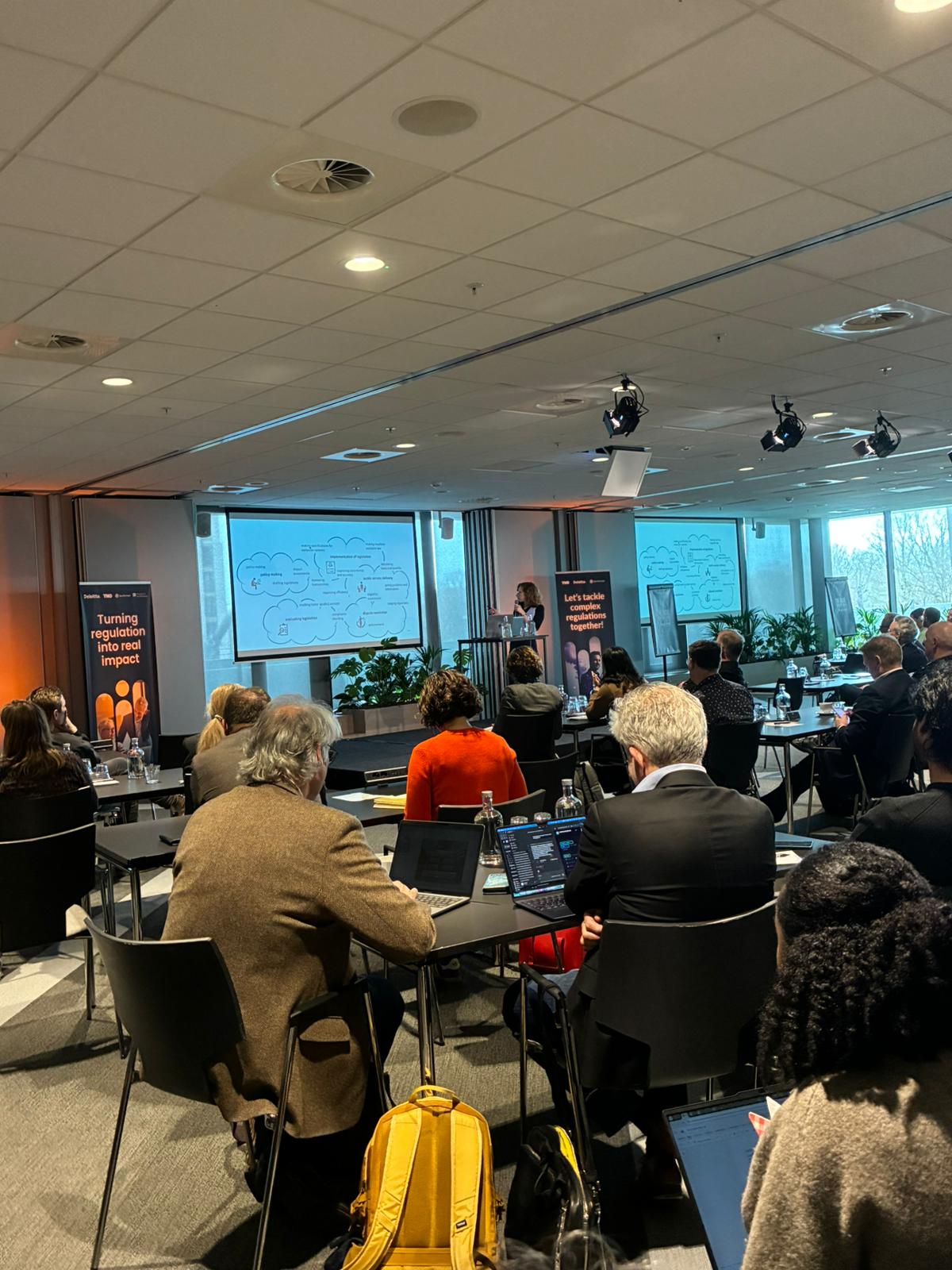
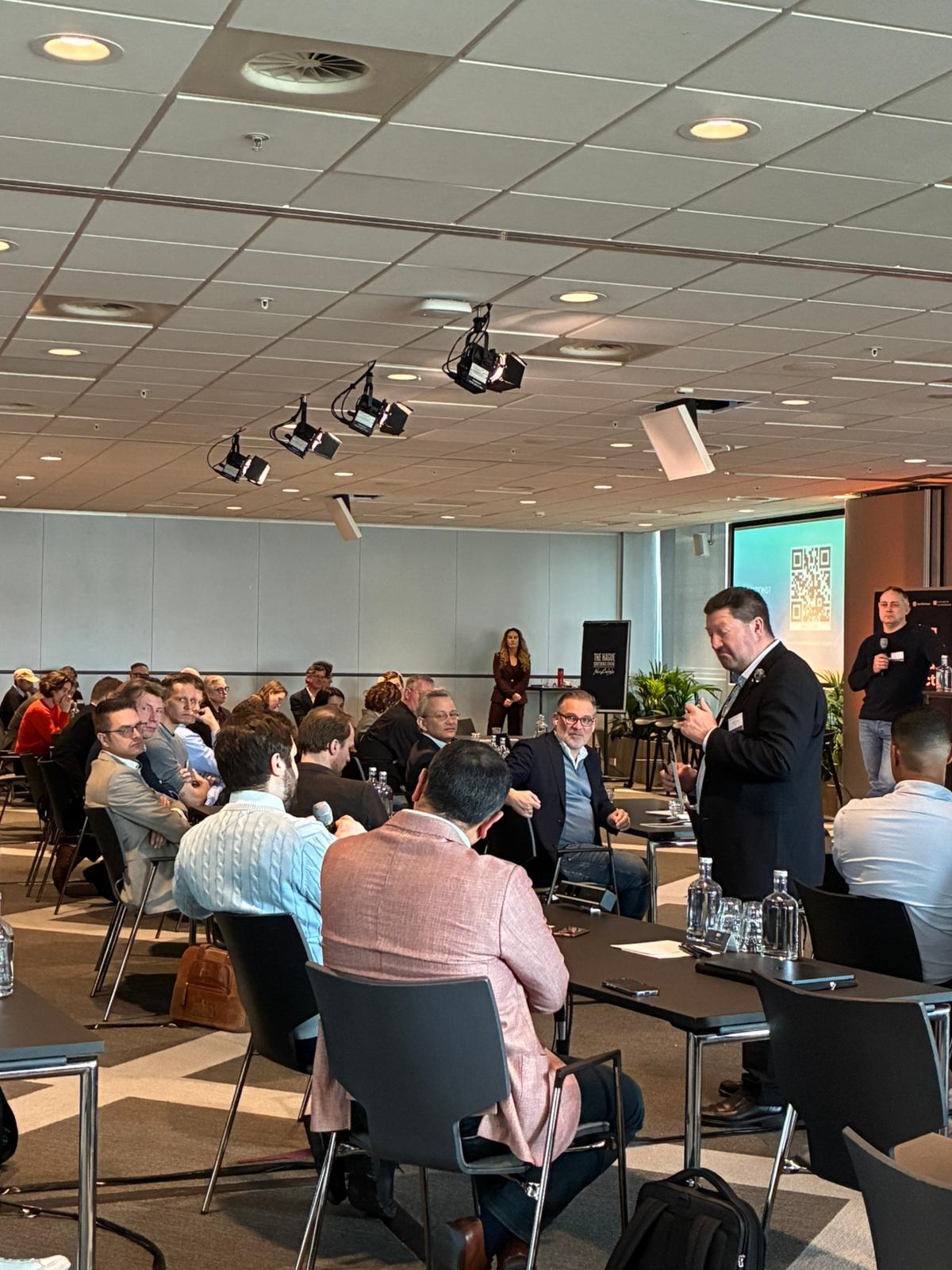
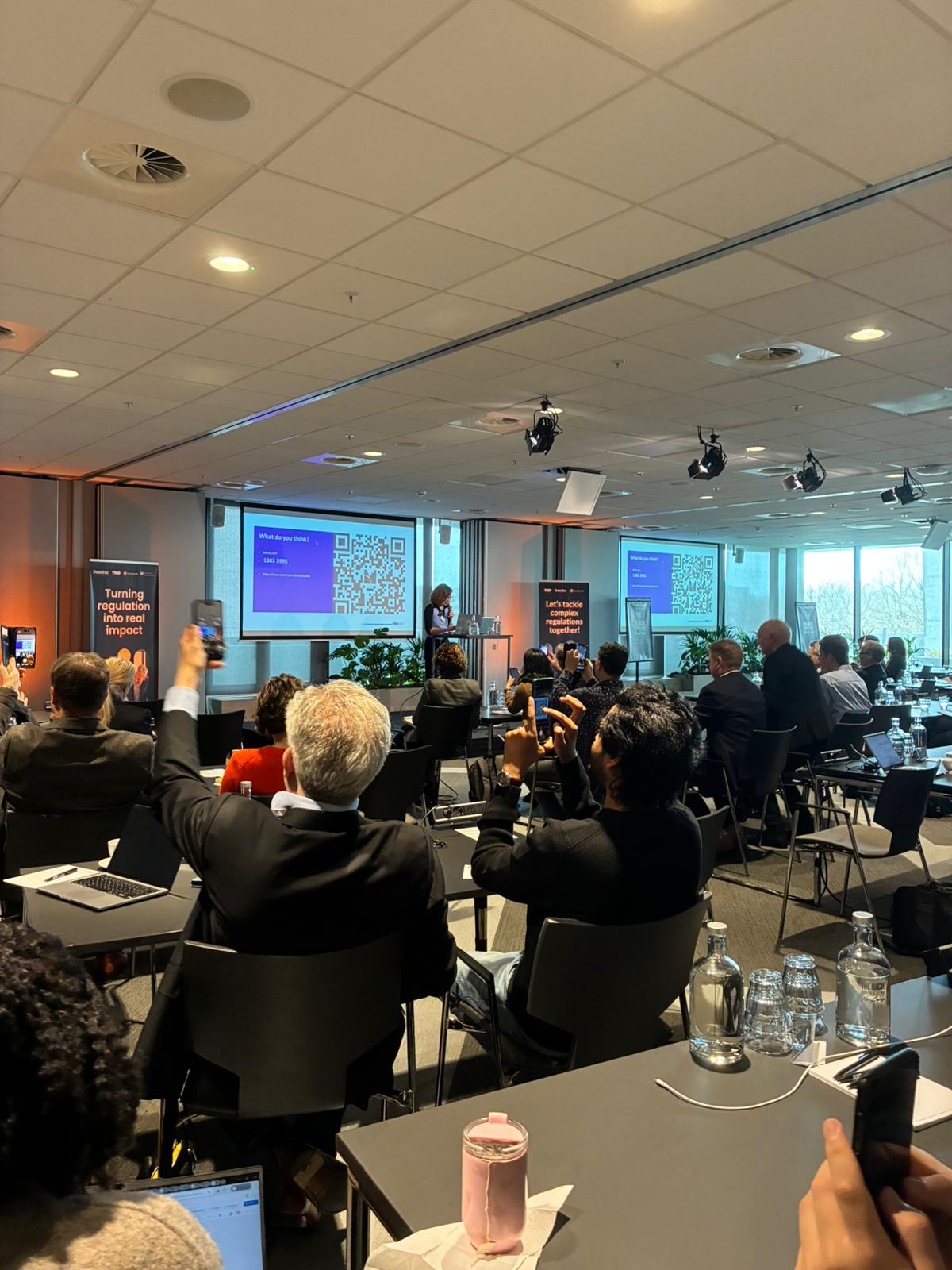
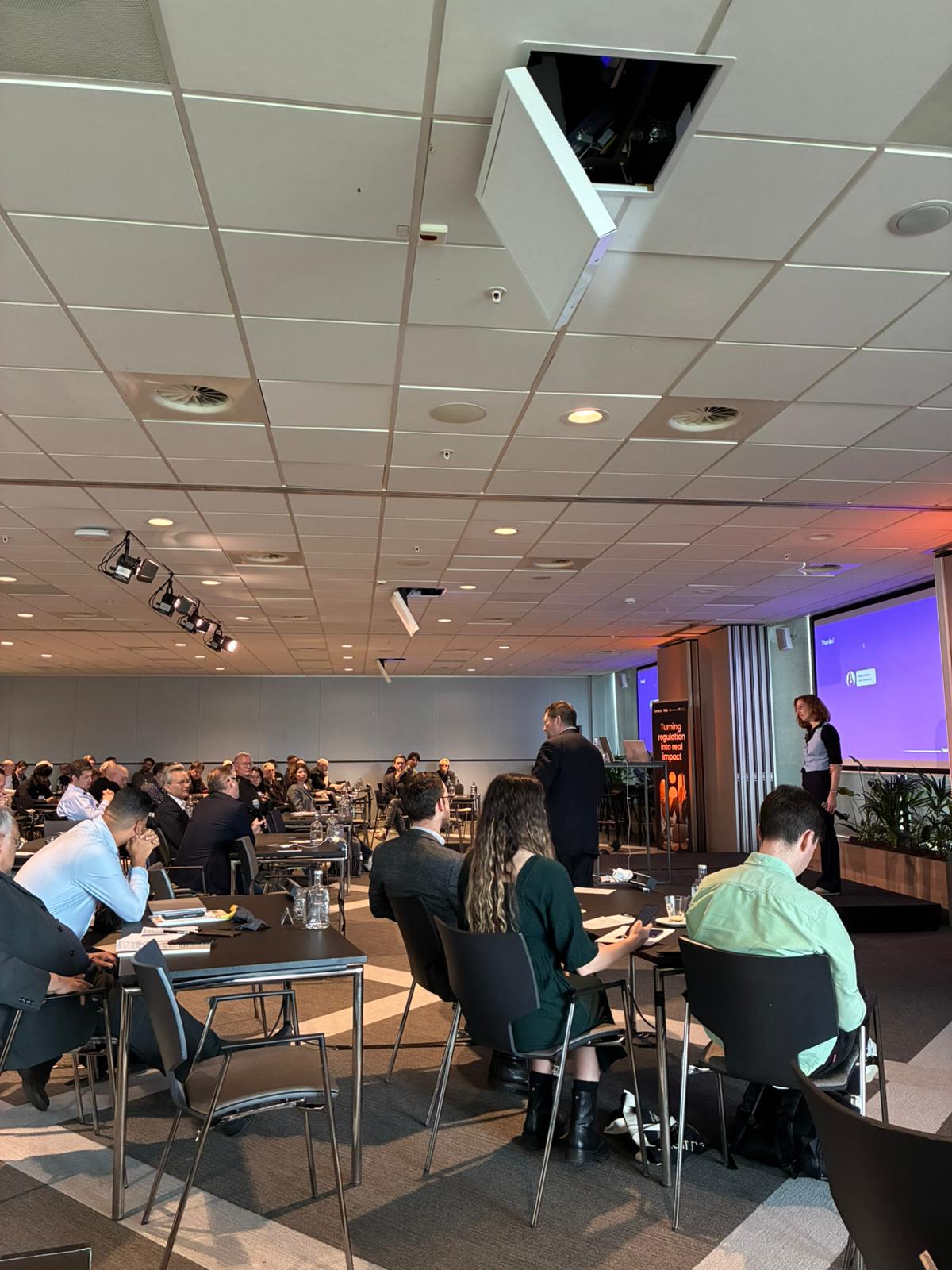
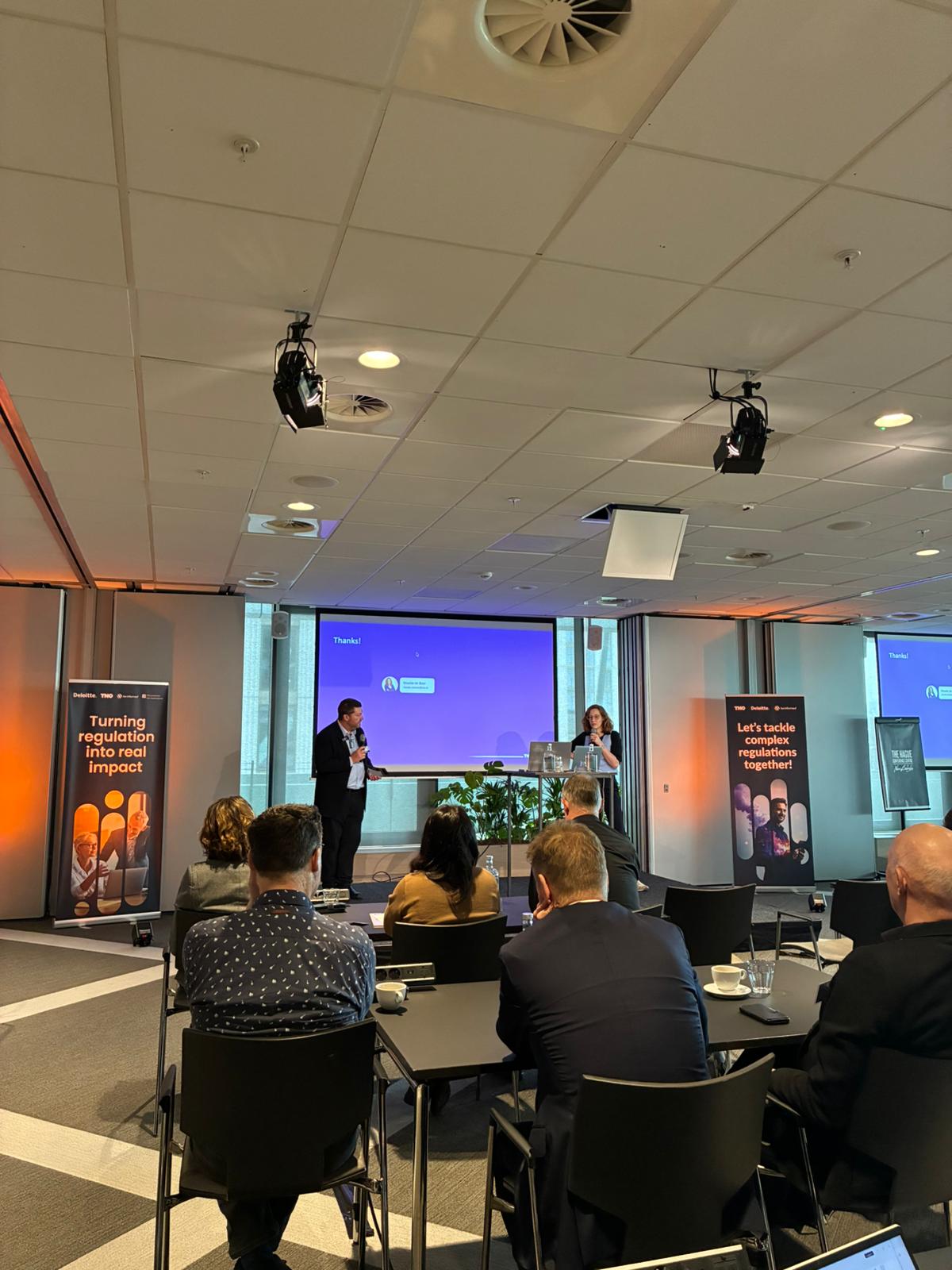
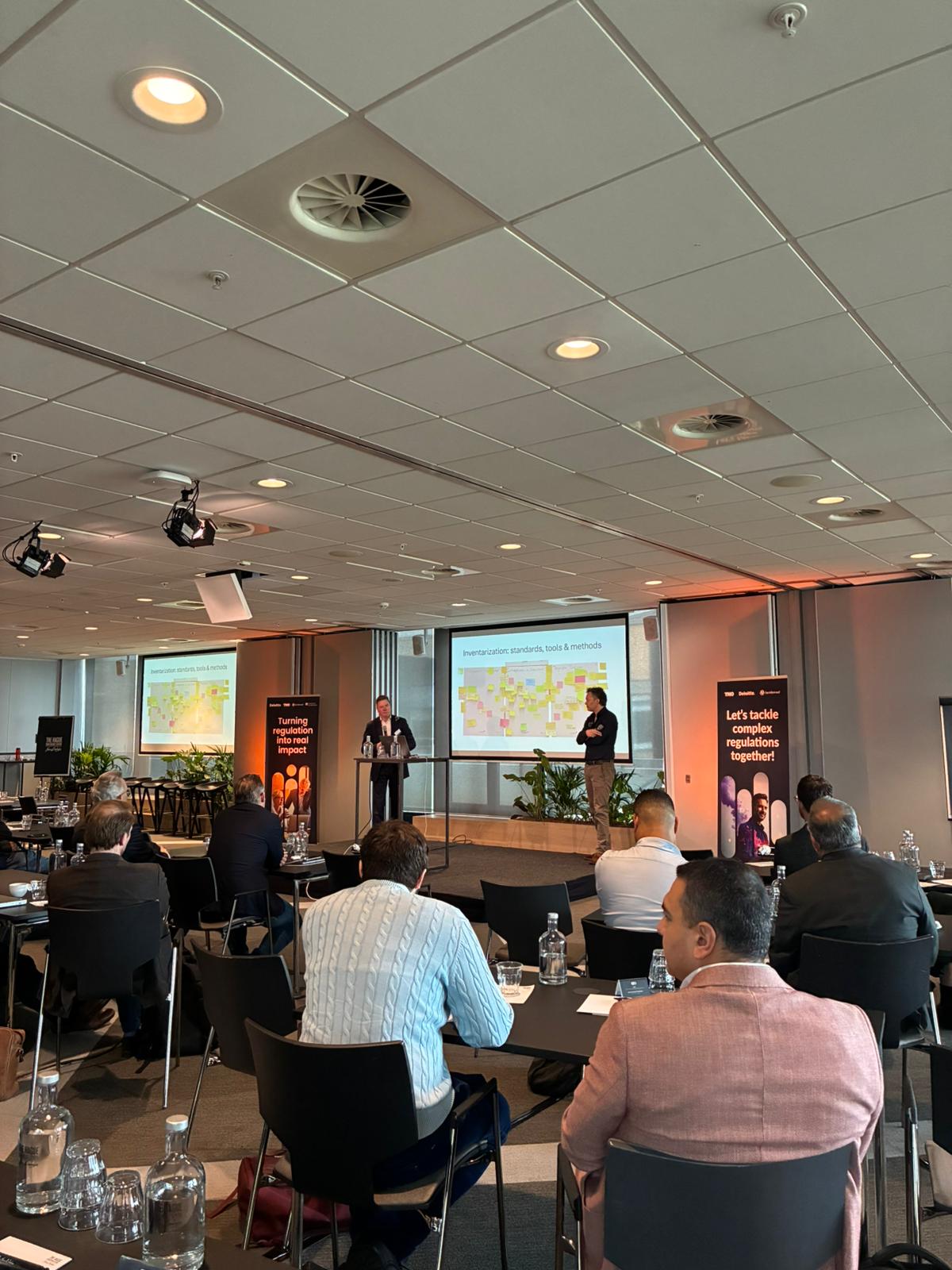
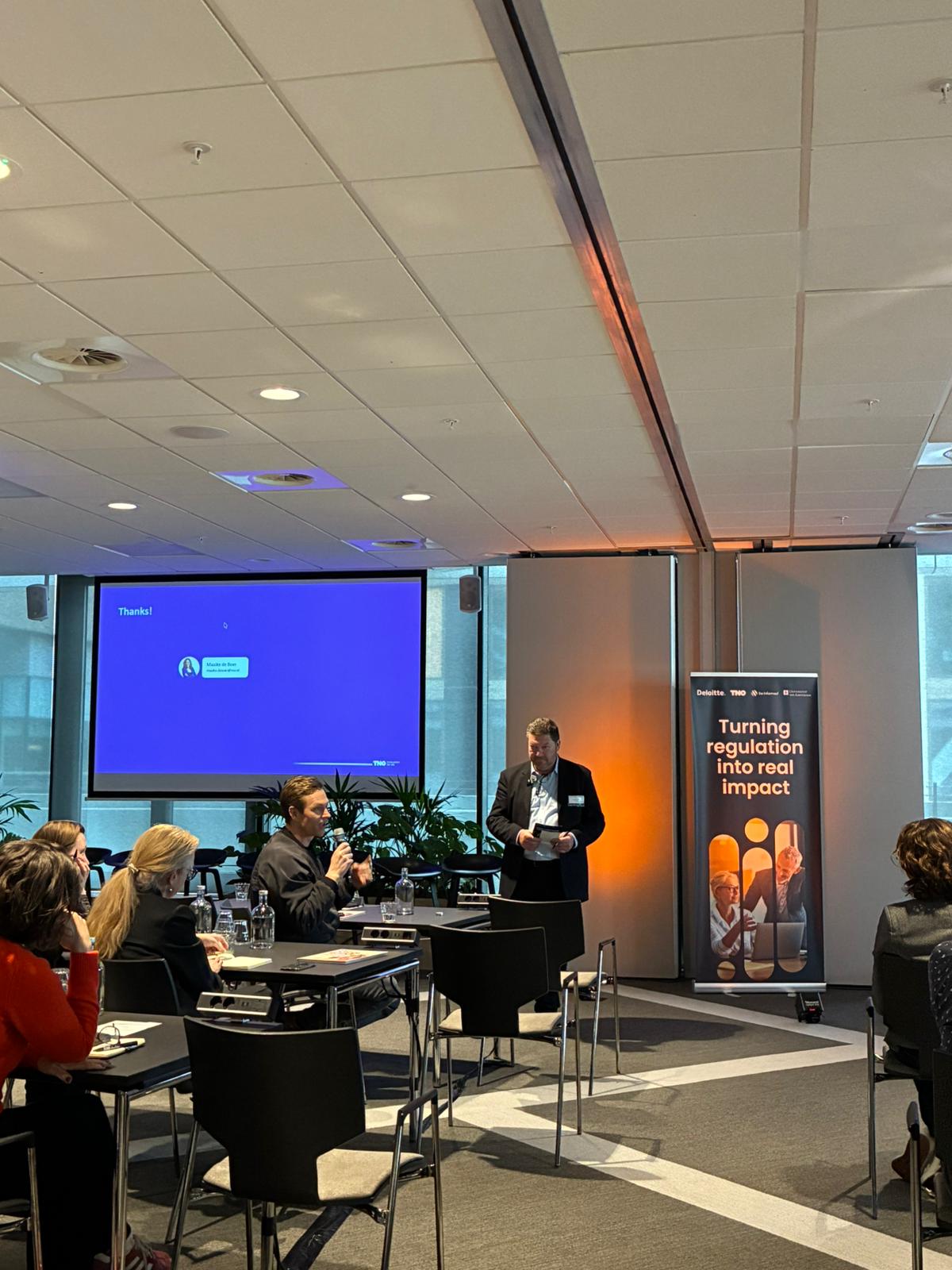
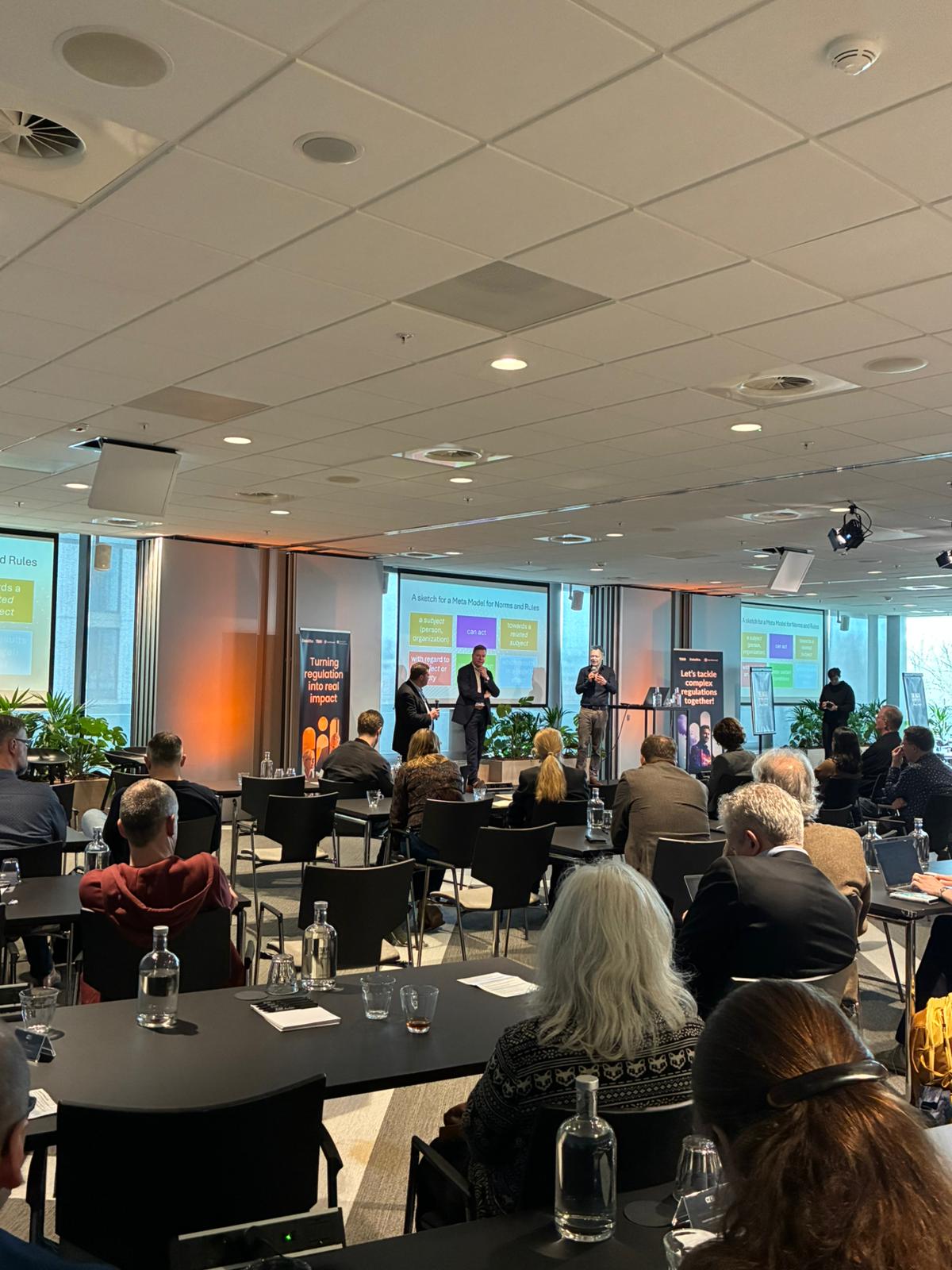
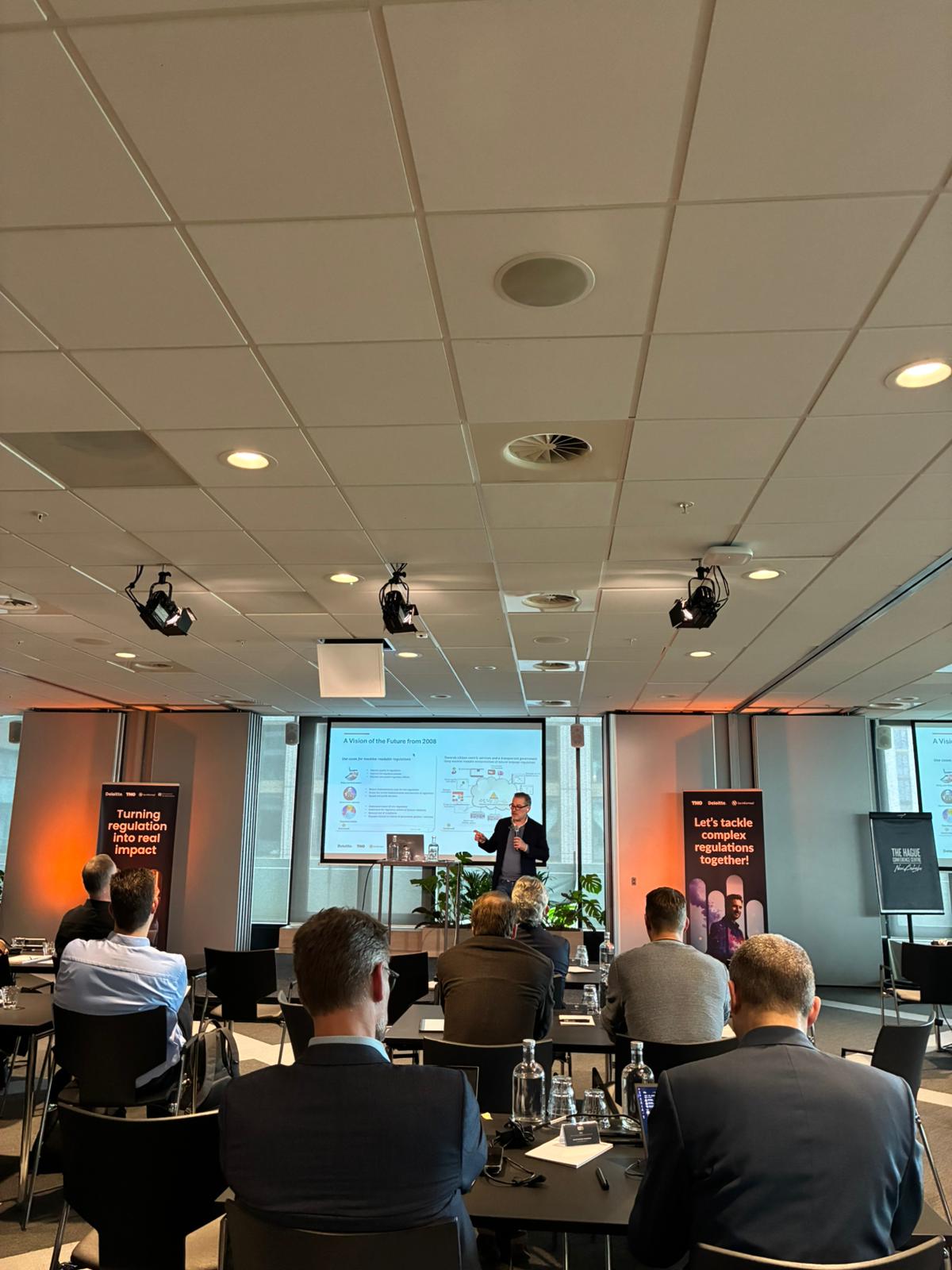
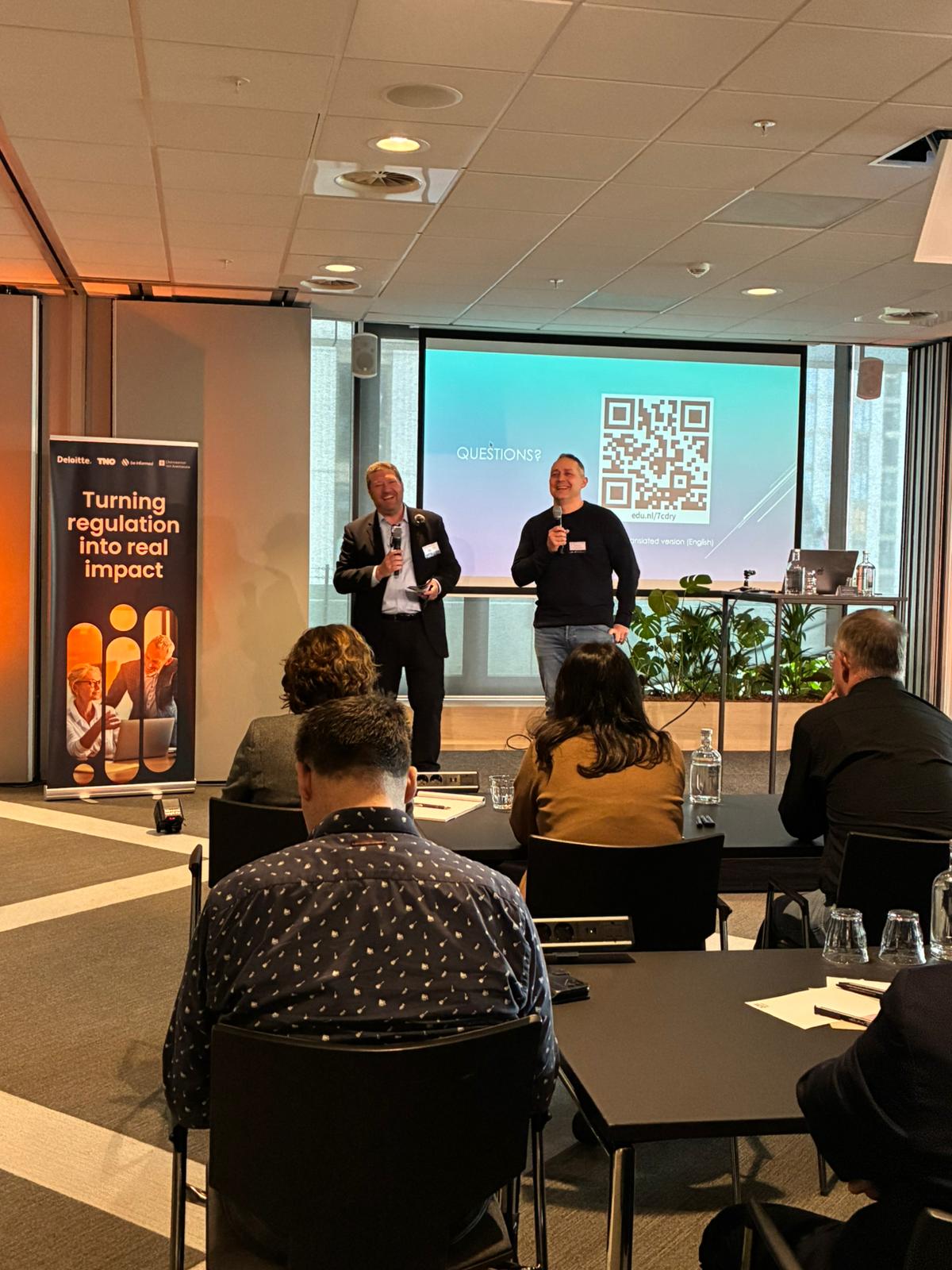
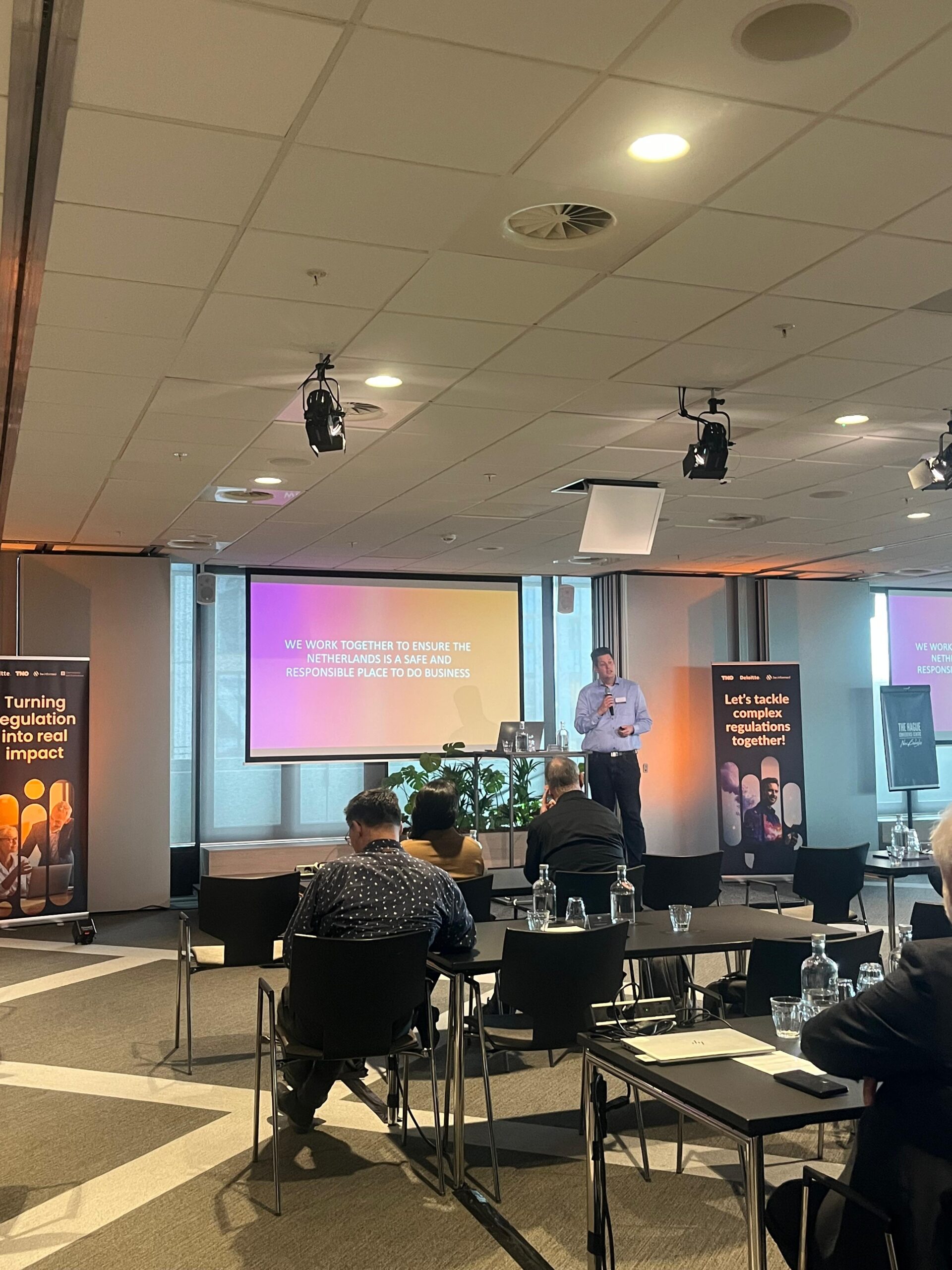
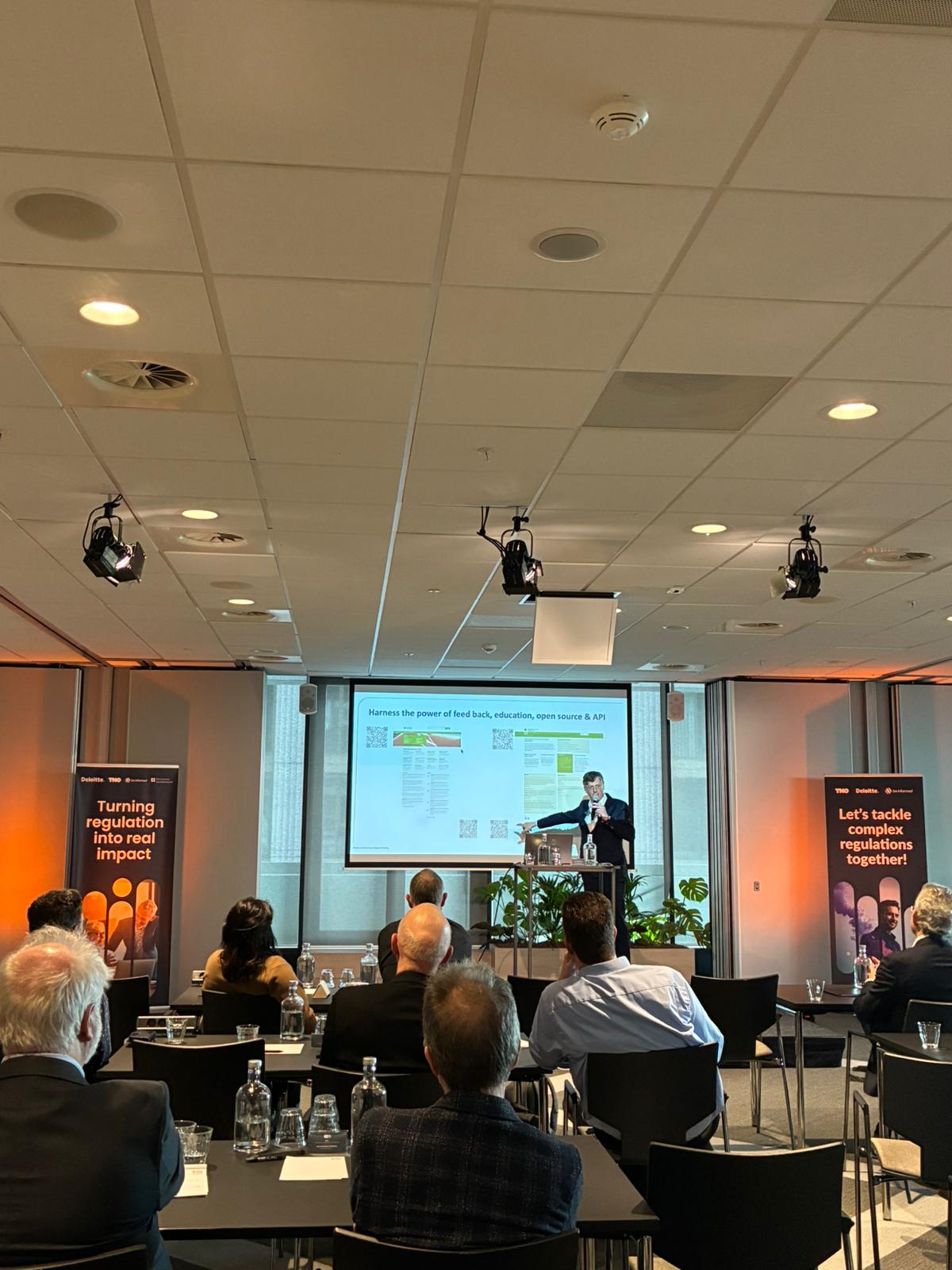
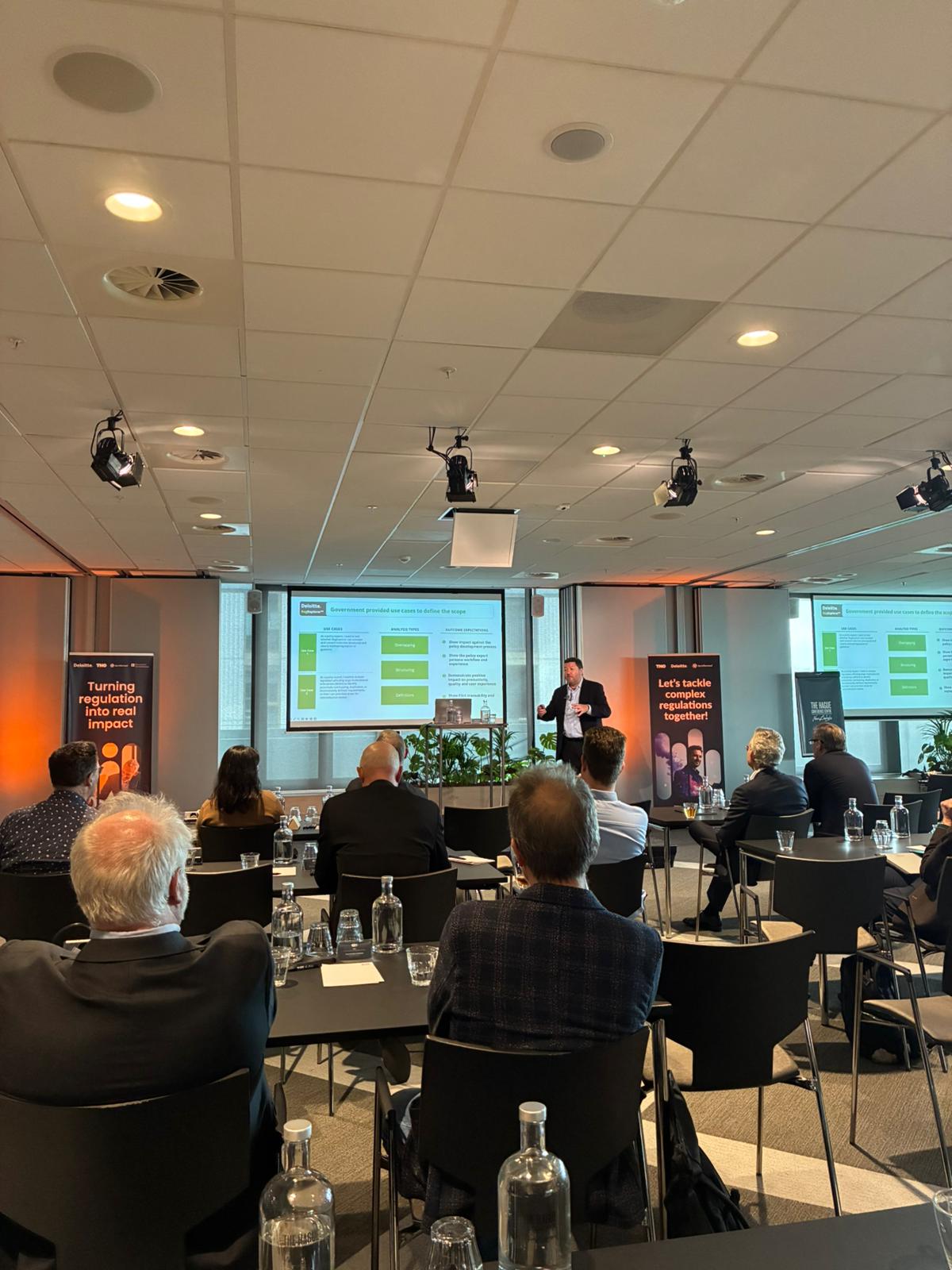
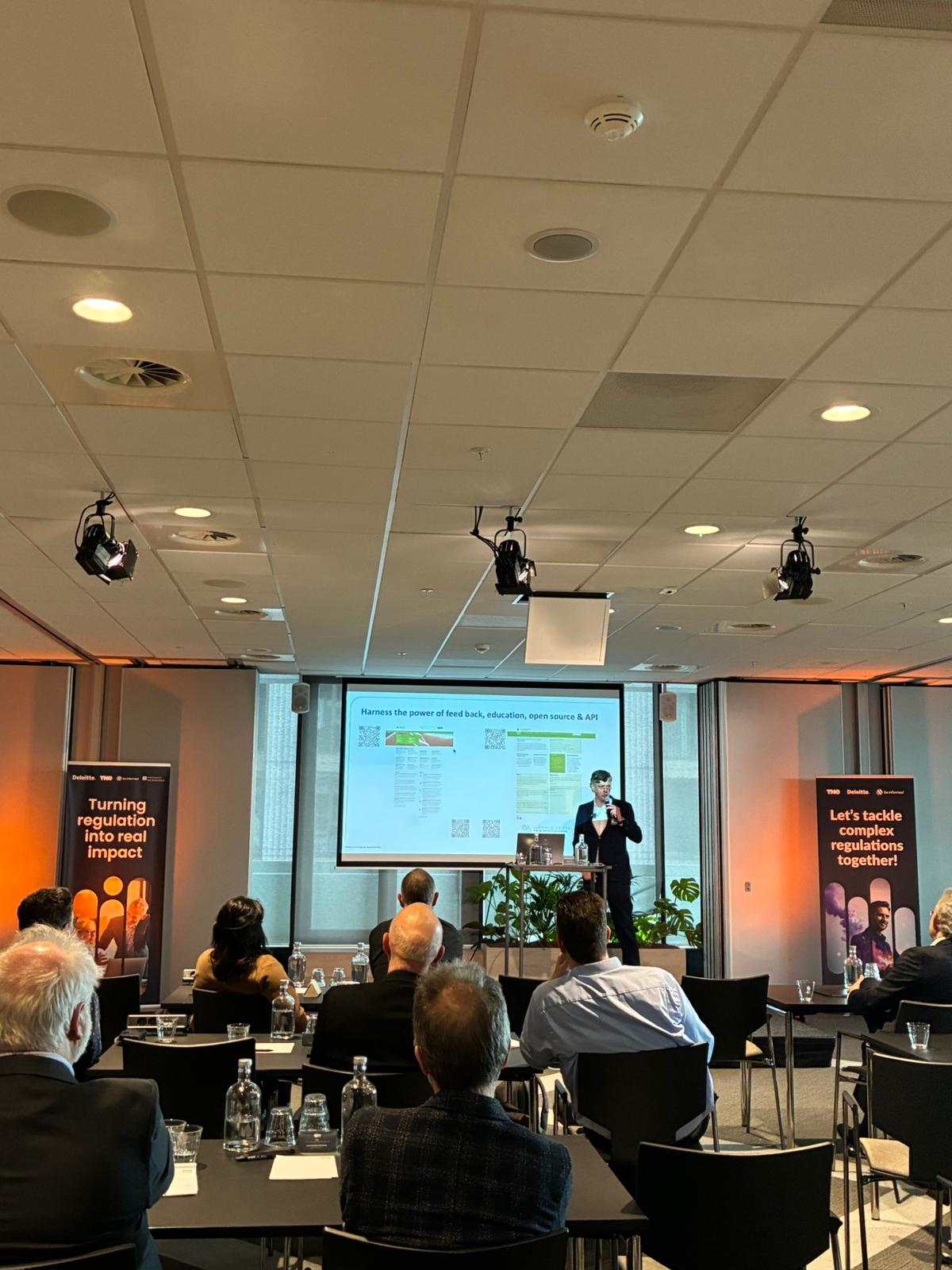
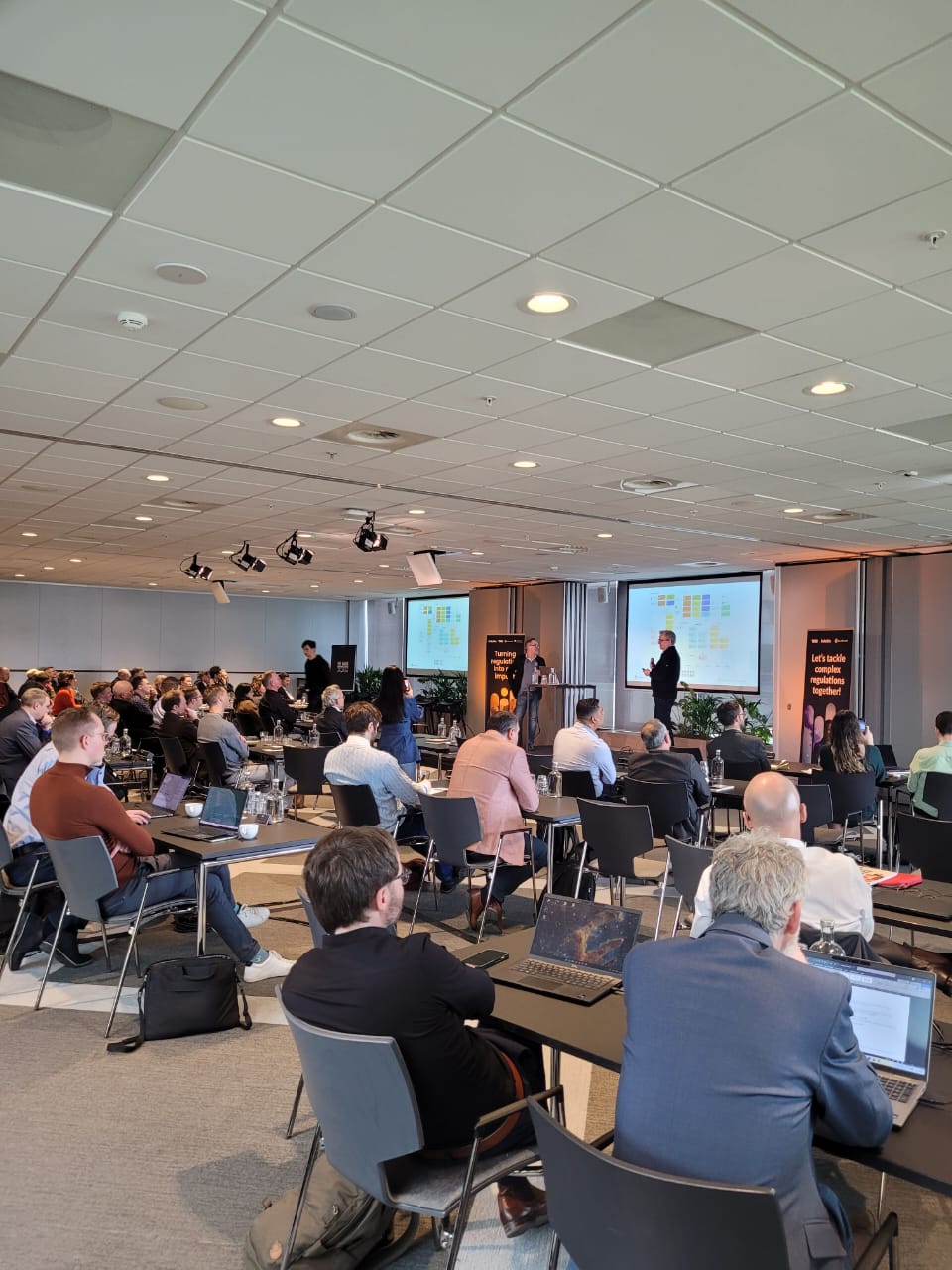
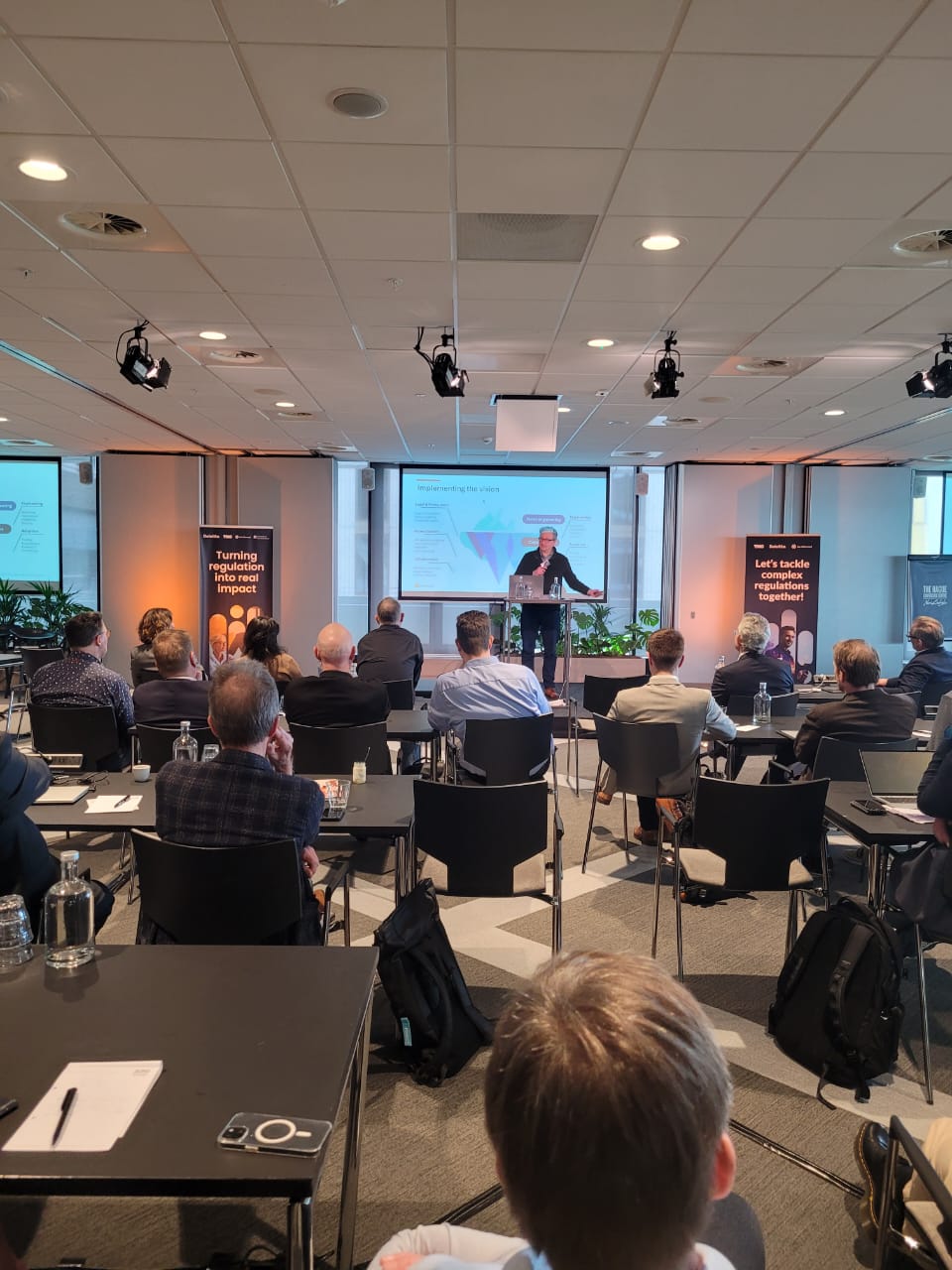
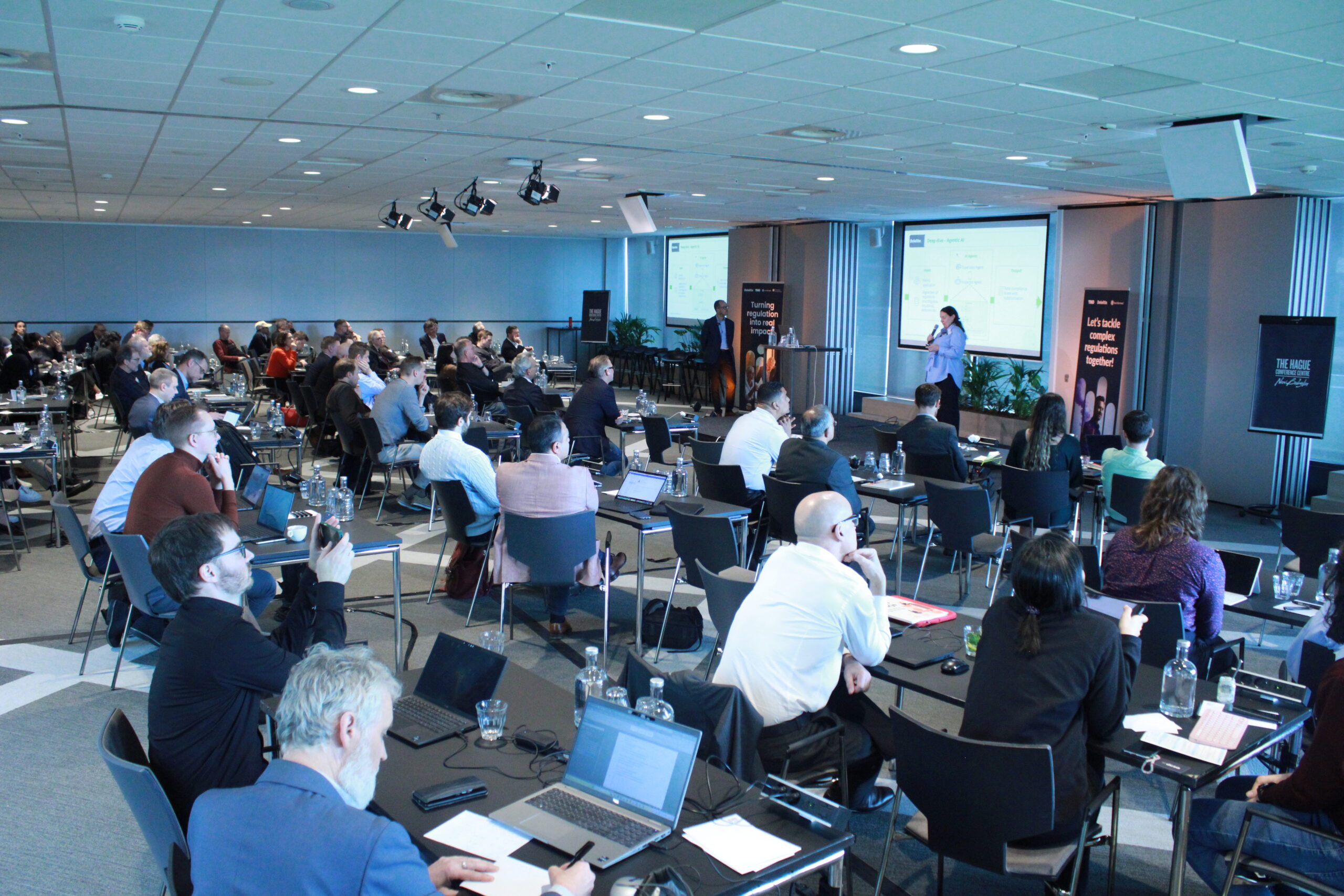
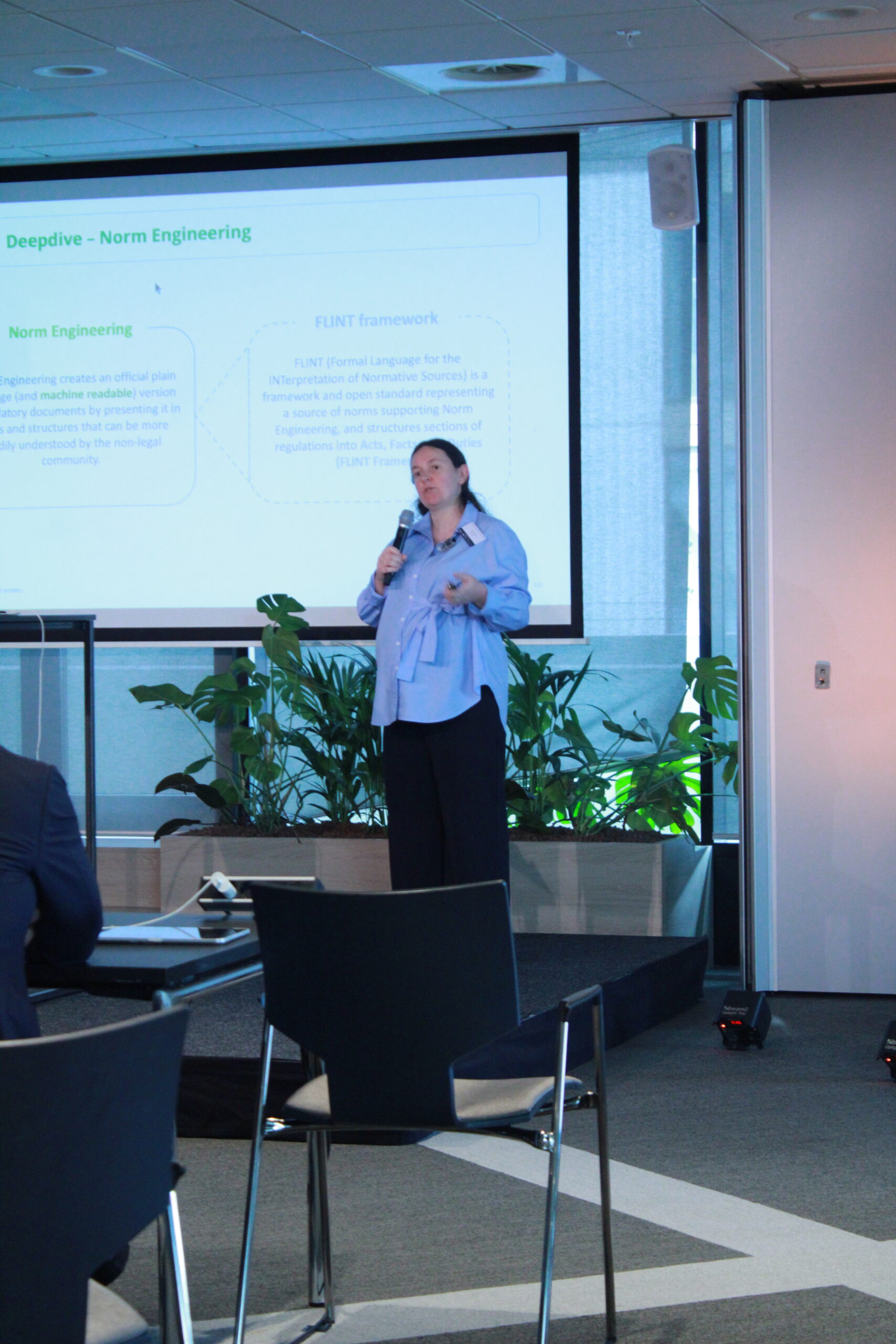
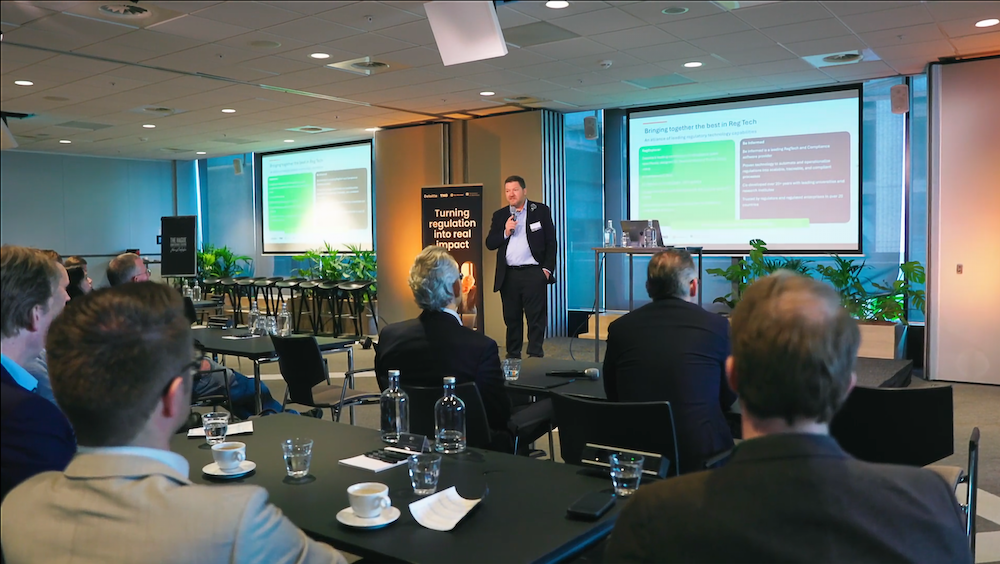
Our speakers delivered innovative ideas and valuable insights. Revisit their presentations by hovering over their photo to view and download the slides.
Matt & Hugo
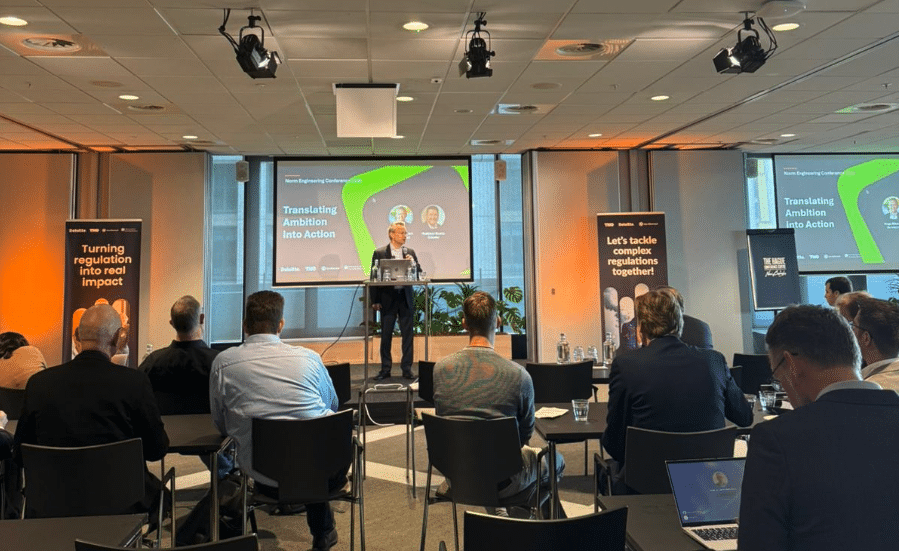
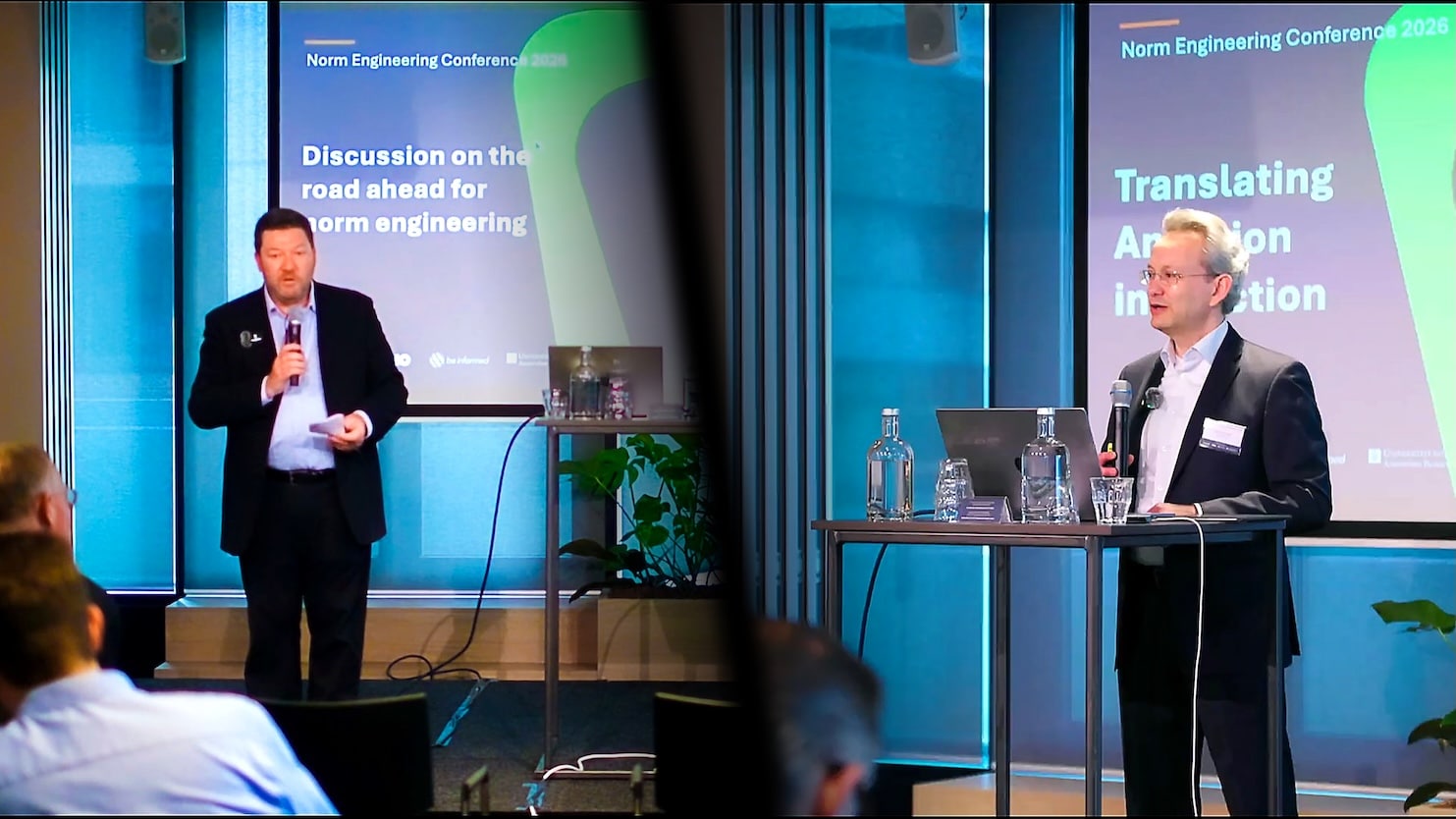
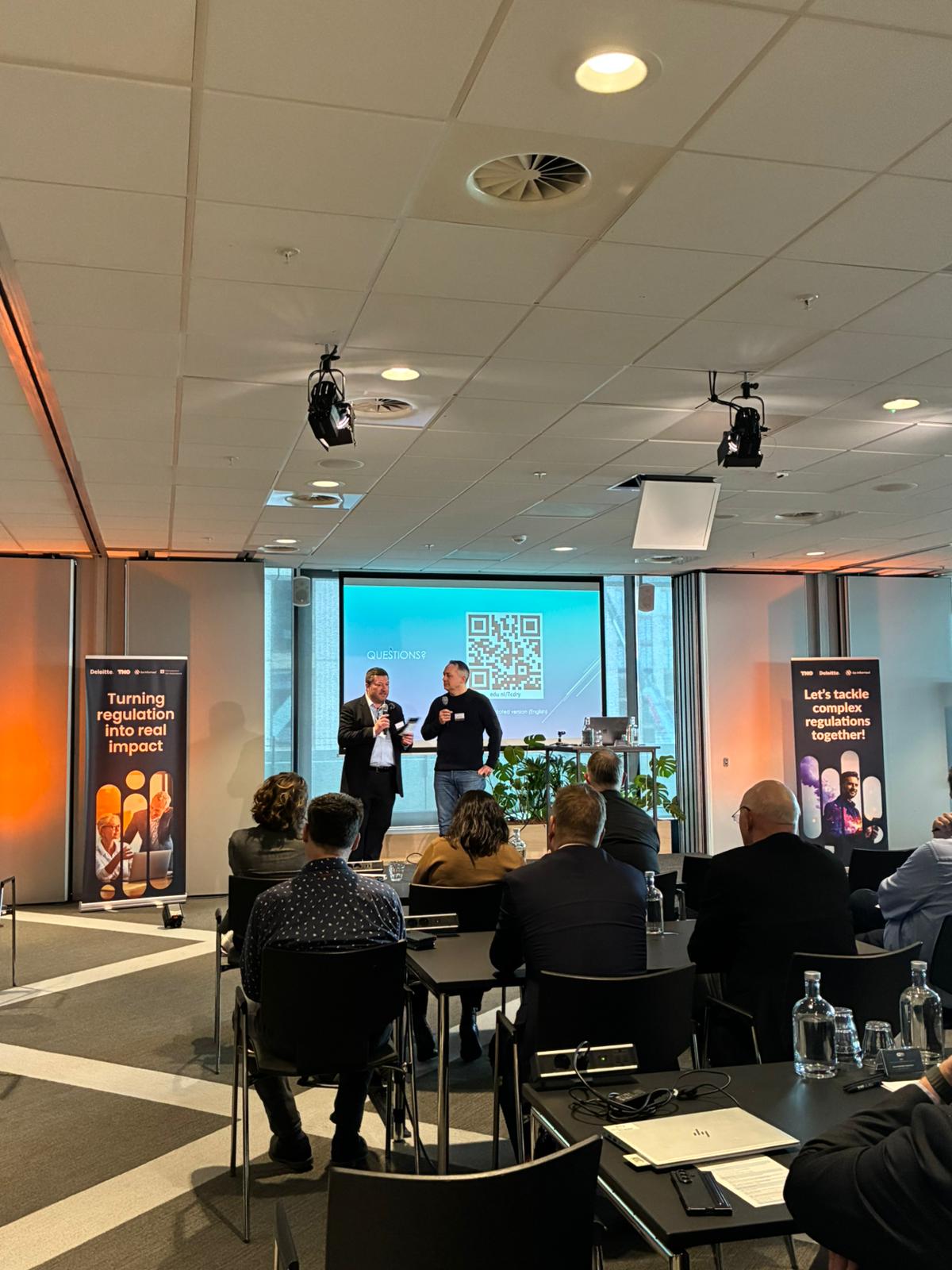
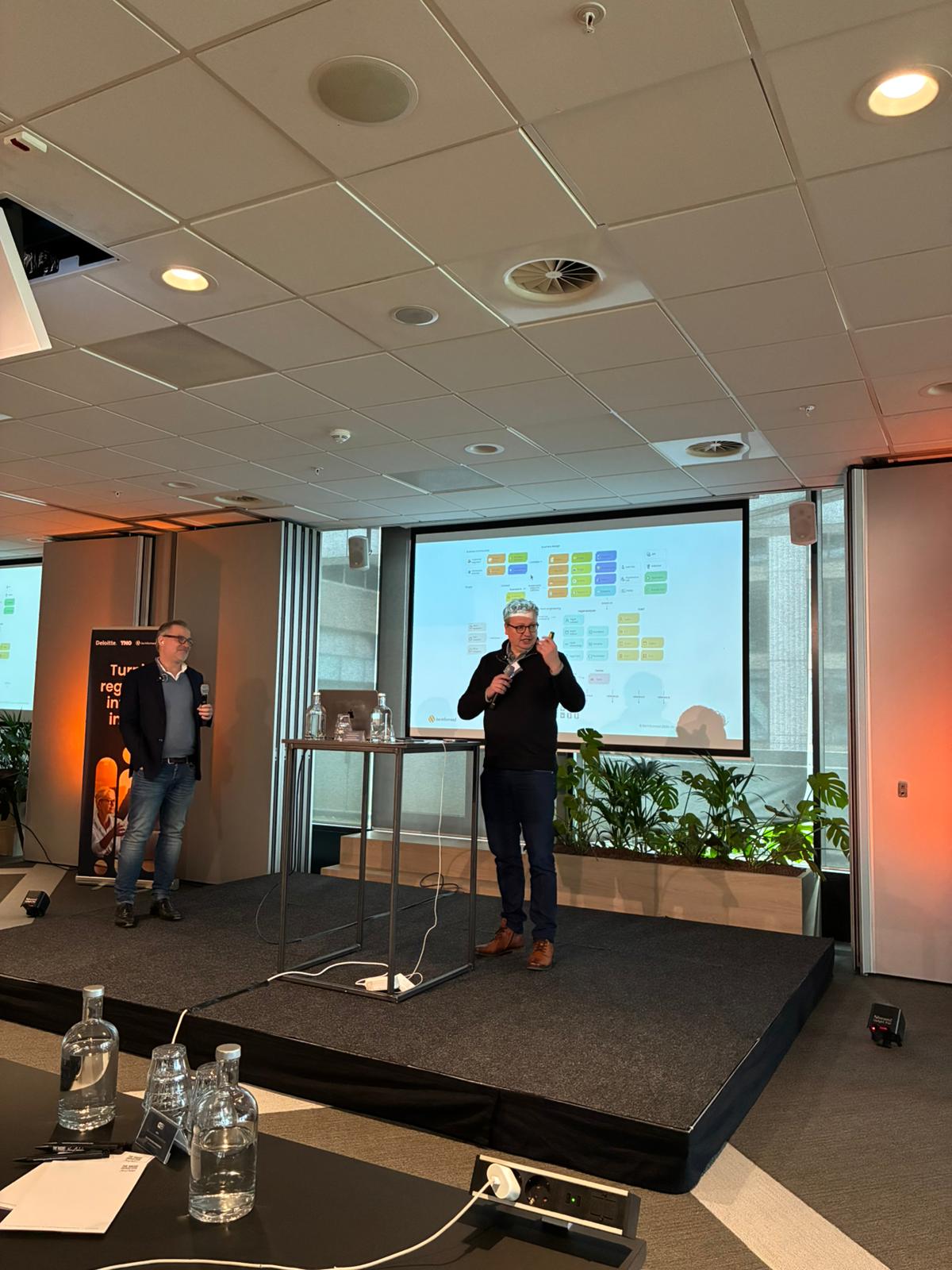
Hugo Ehrnreich from Be Informed and Matthew Gracie from Deloitte opened the Norm Engineering conference, looking at how we are translating ambition into action.
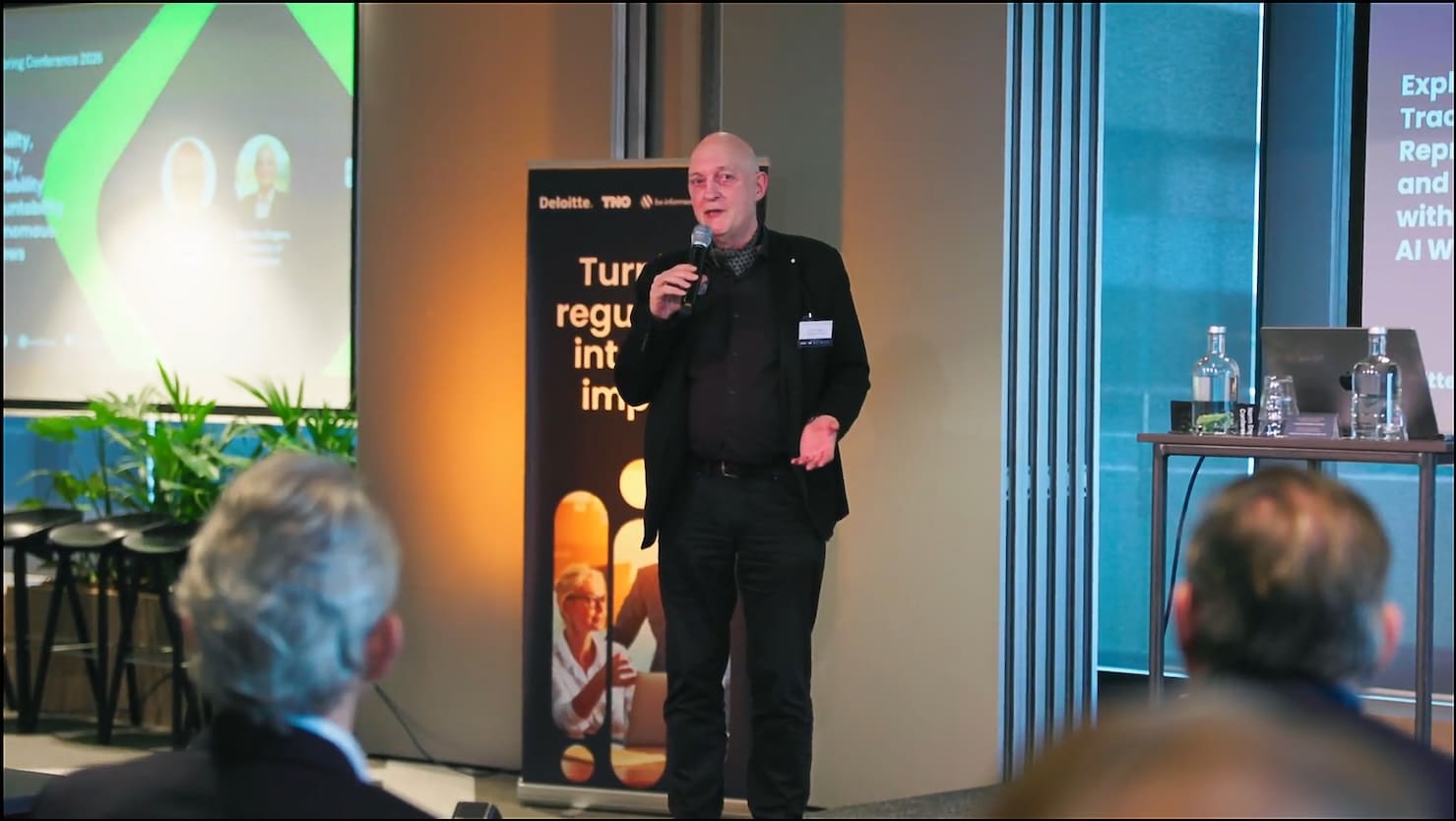
Tom van Engers from the University of Amsterdam talked about the explainability, traceability, reproducibility, and accountability of autonomous AI workflows.
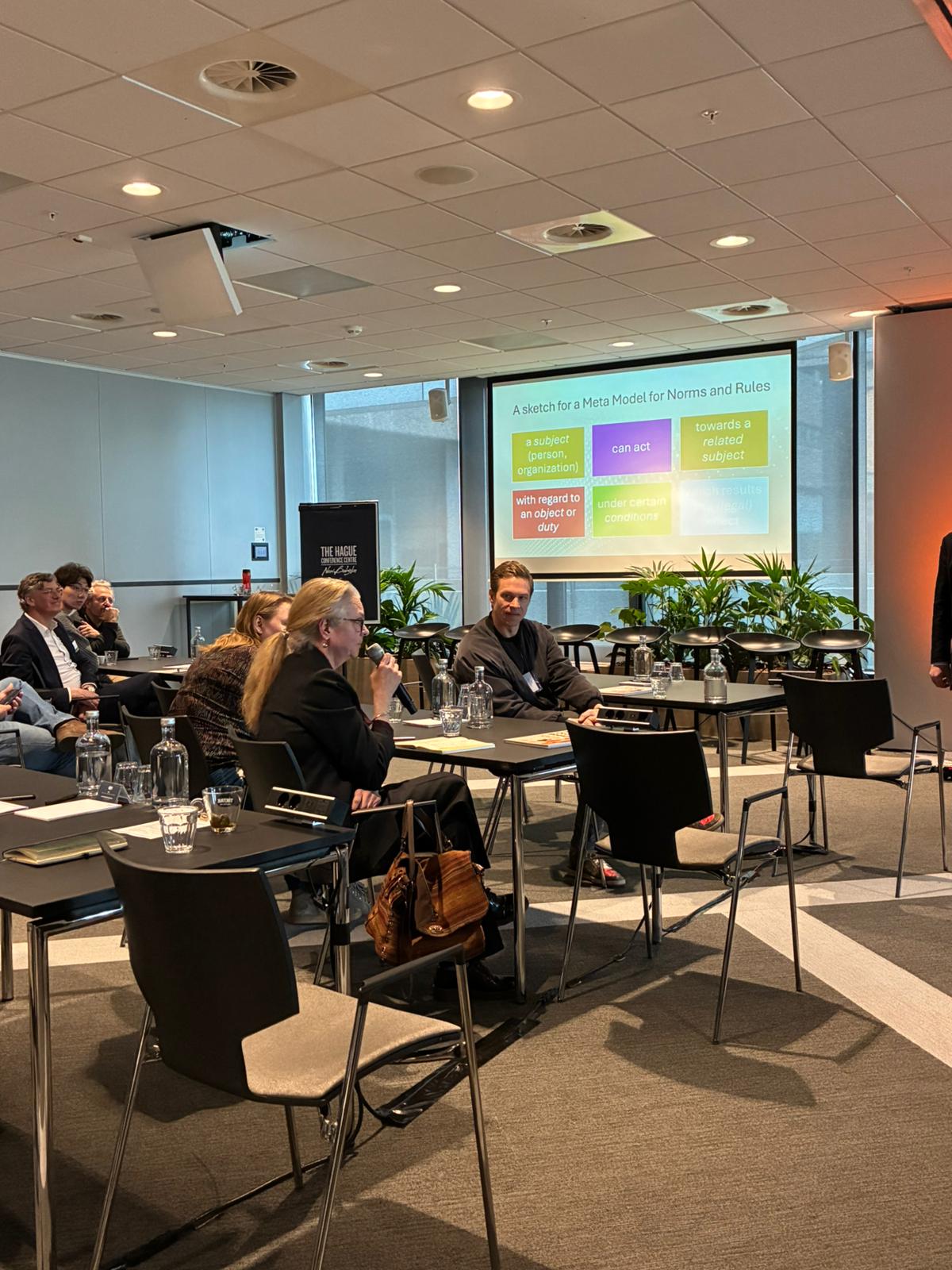
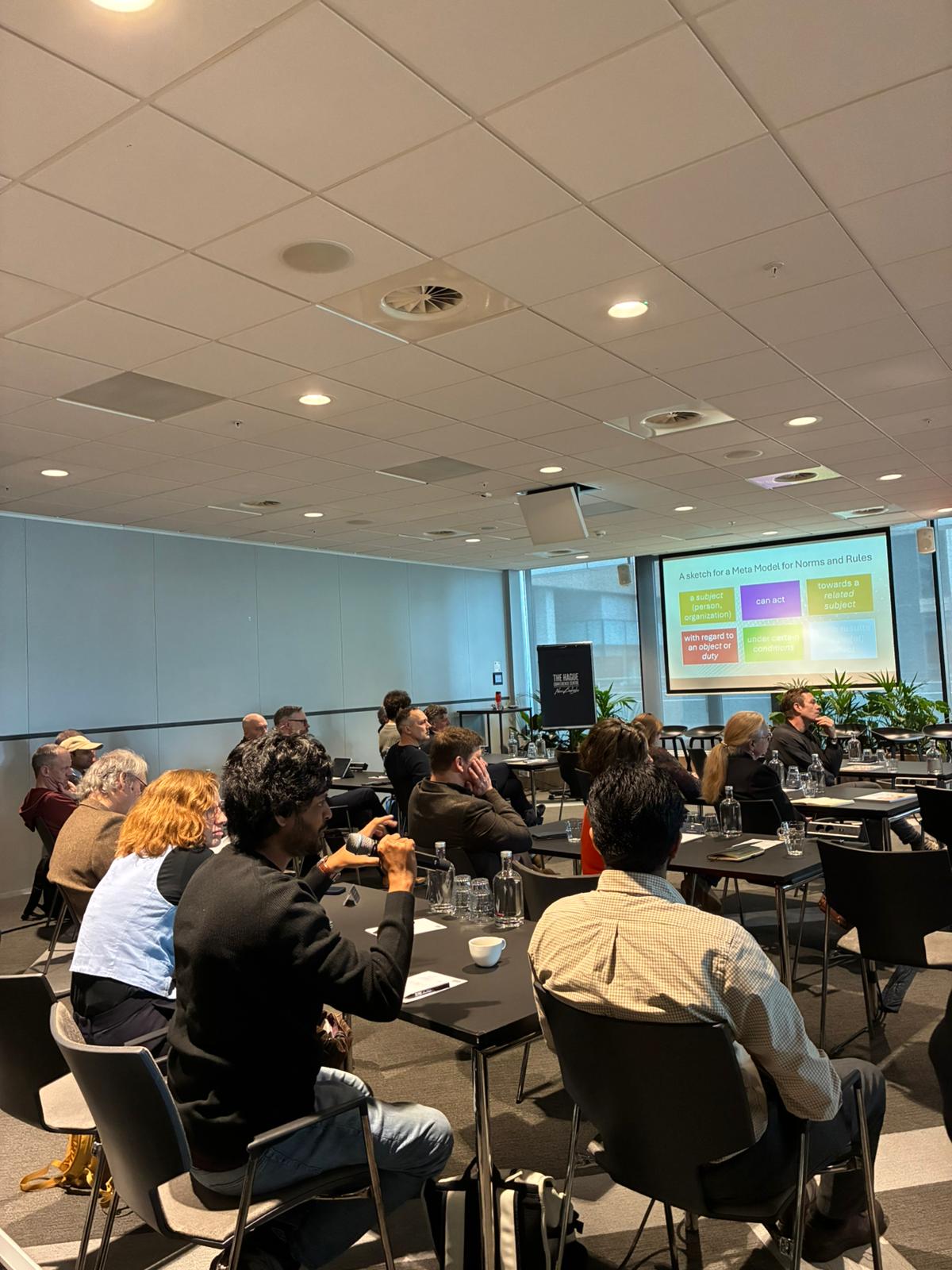
Robert van Doesburg from TNO and Vincent van Dijk from Pharosius discussed how we can get towards a meta-model for norms, the fundamentals needed, and why a metamodel.
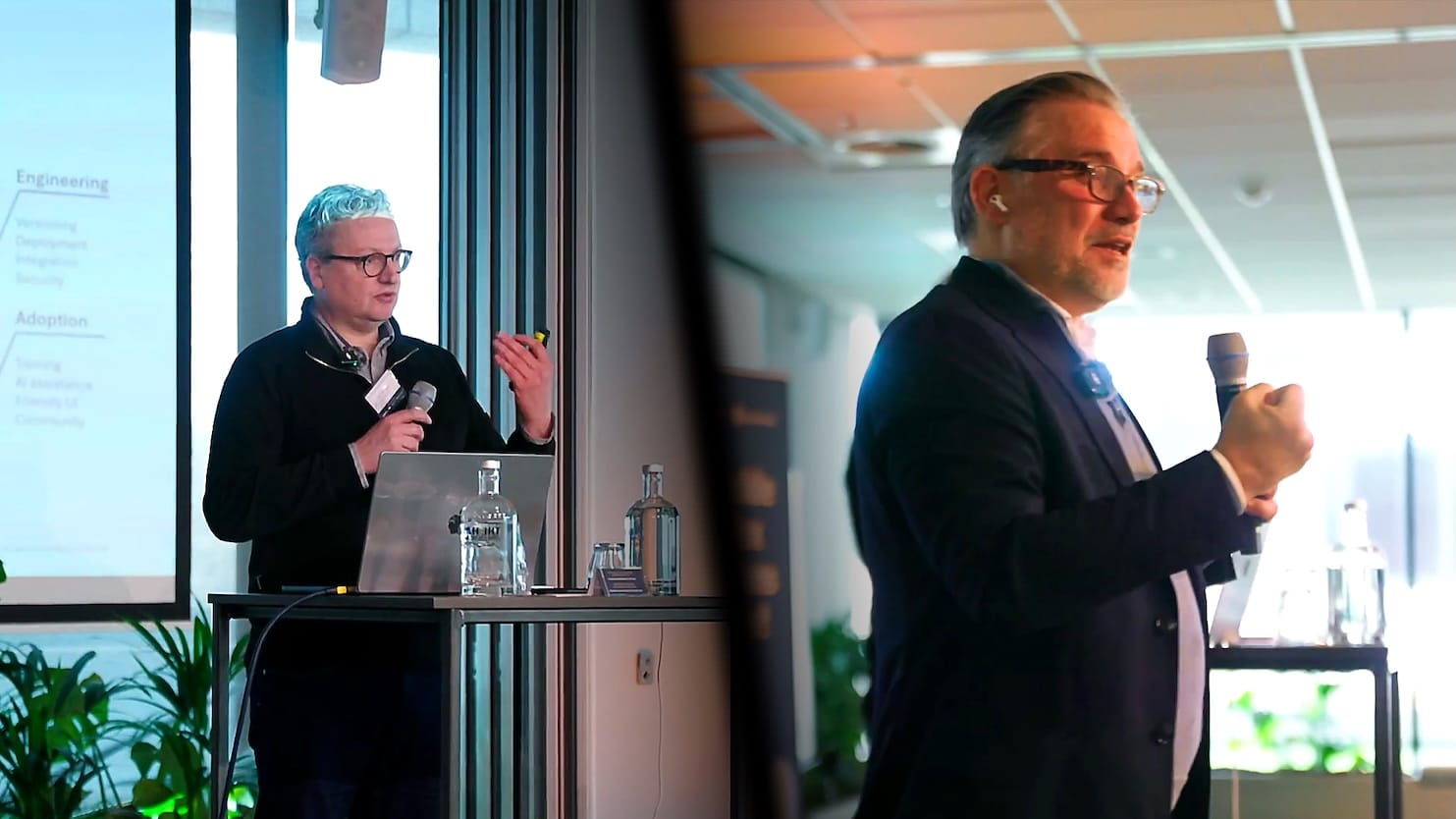
Ronald Heller & Geert Rensen from Be Informed introduced a broad range of norm engineering use cases and applications, along with the technology that makes them possible.
Stijn Vandeweyer and Sara Maes from Deloitte Belgium presented an award-winning permitting solution that secured first place at a hackathon in Flanders.
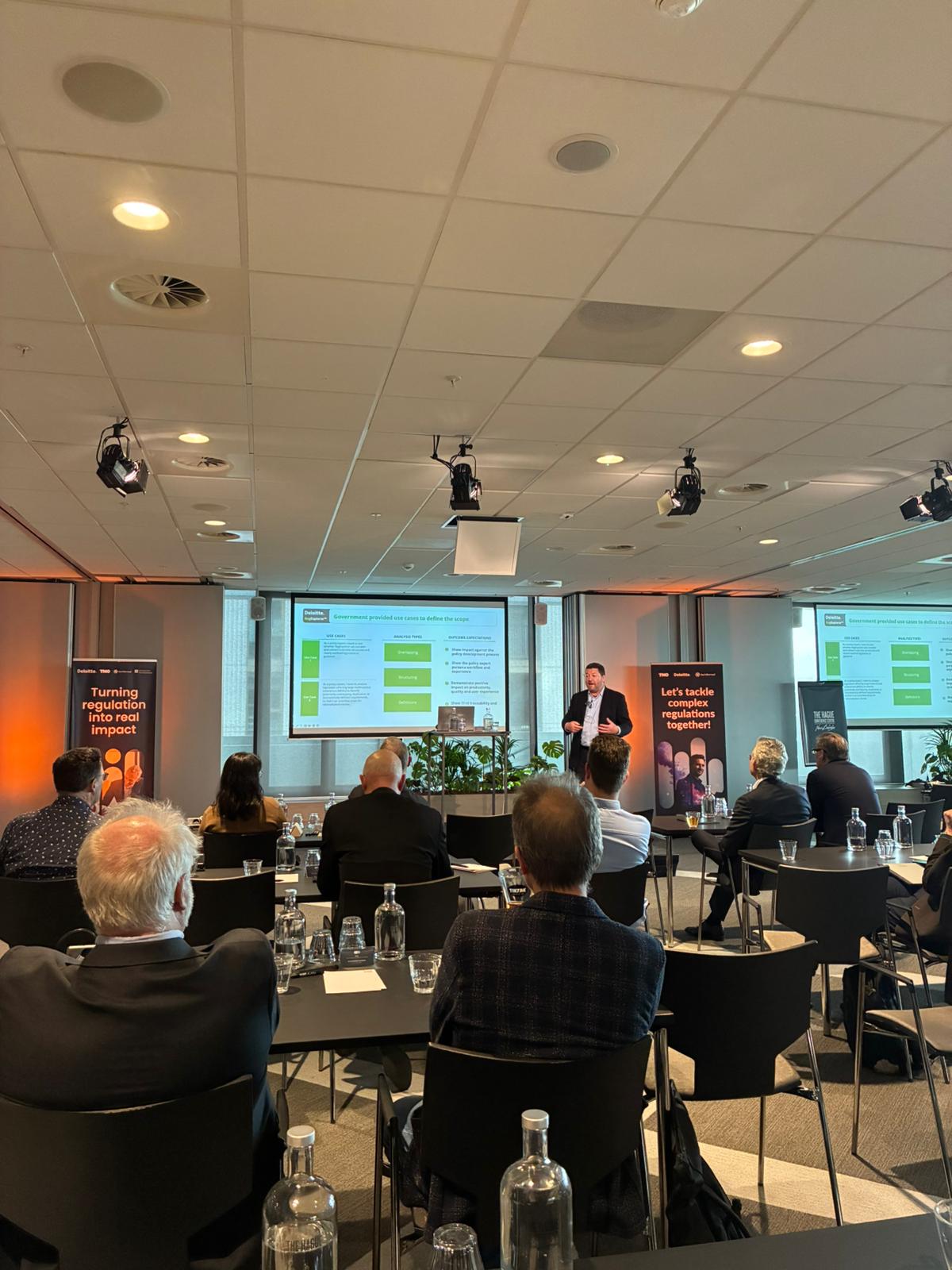
Matthew Gracie from Deloitte showed the audience a use case that demonstrated the power and possibilities of reengineering the policy development process.
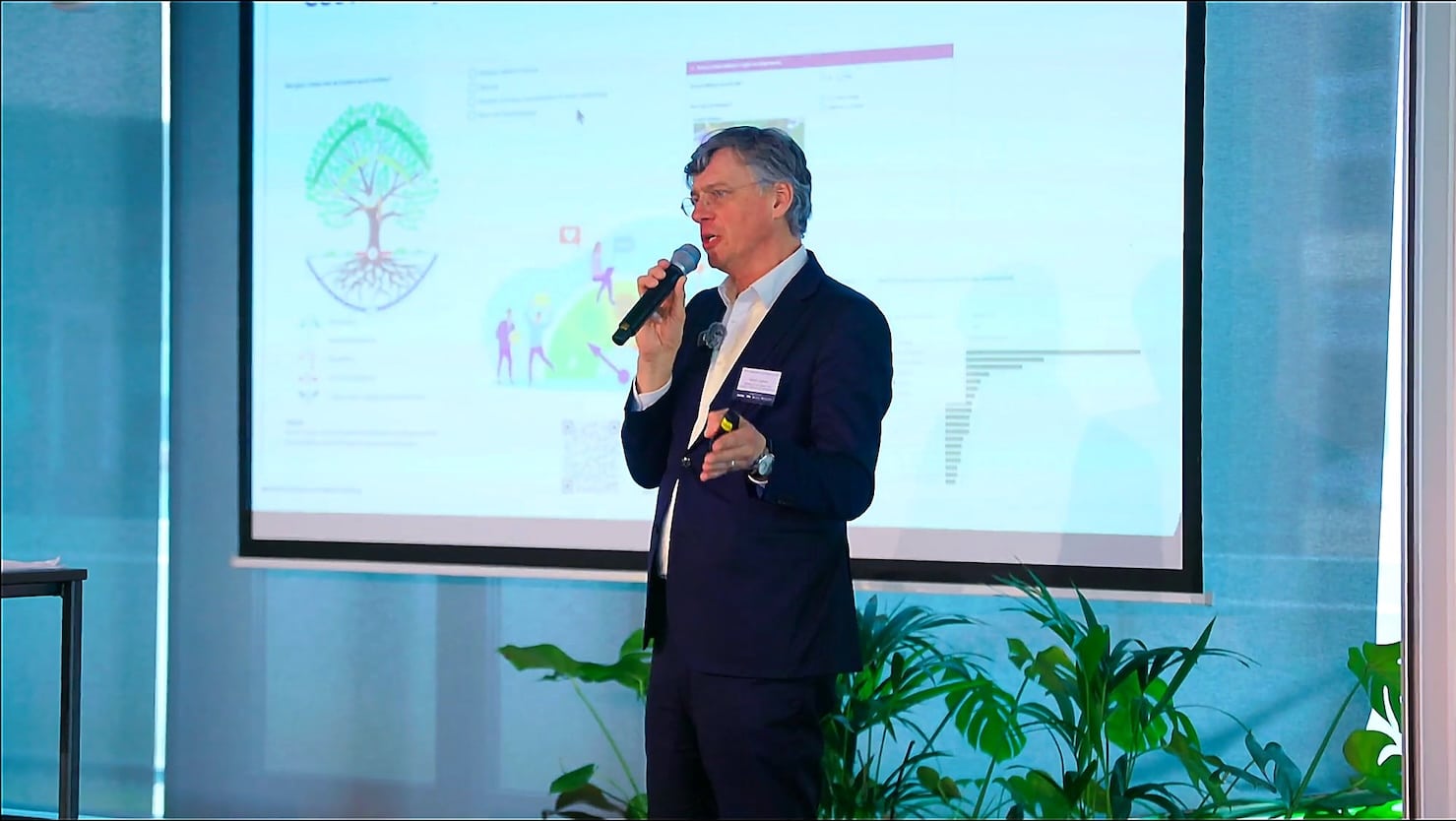
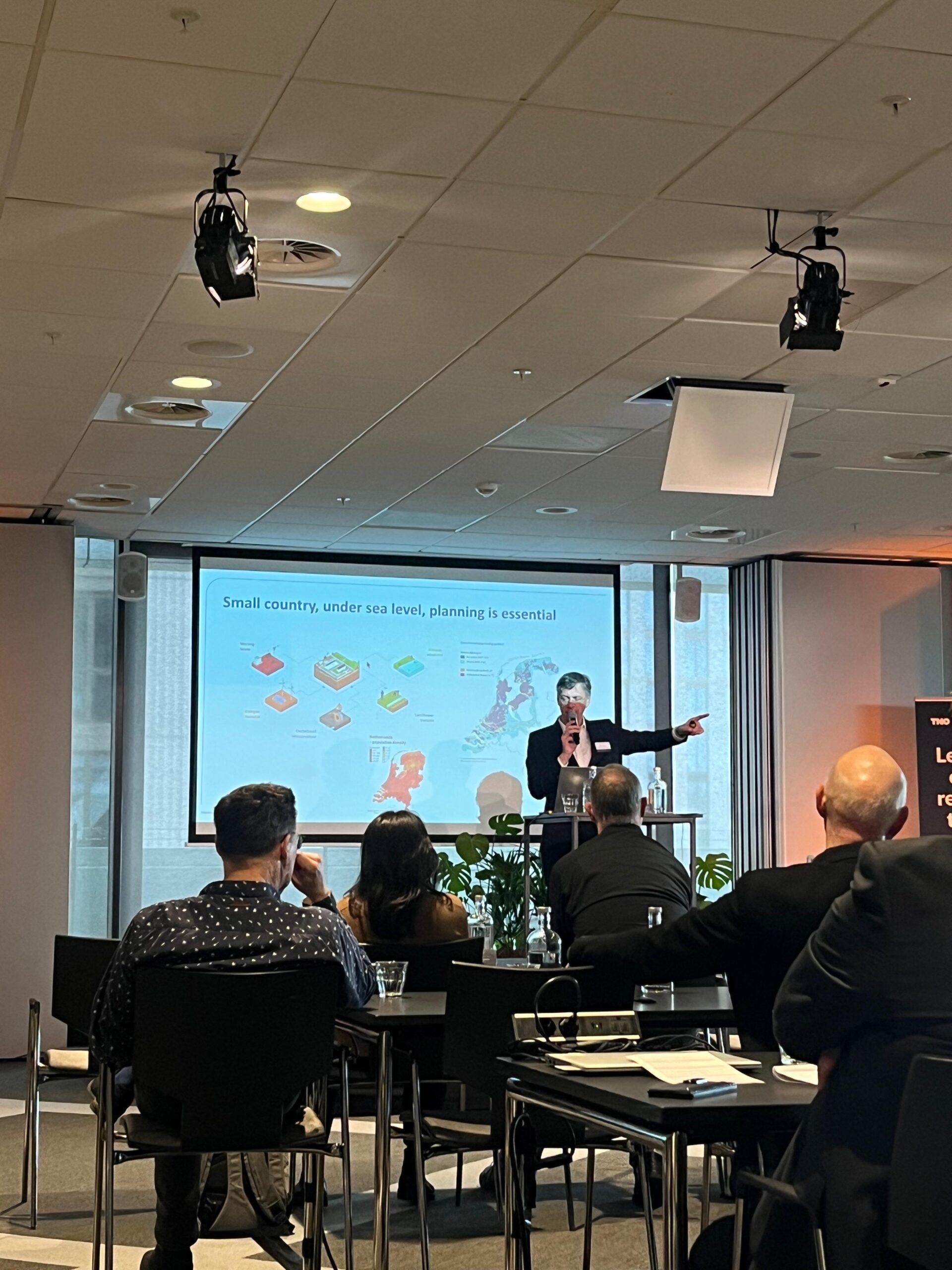
Martijn Ligthart from the Ministry of the Interior and Kingdom Relations presented a Dutch showcase of the DSO. The quest for simpler and better. Bridging practice and policy.
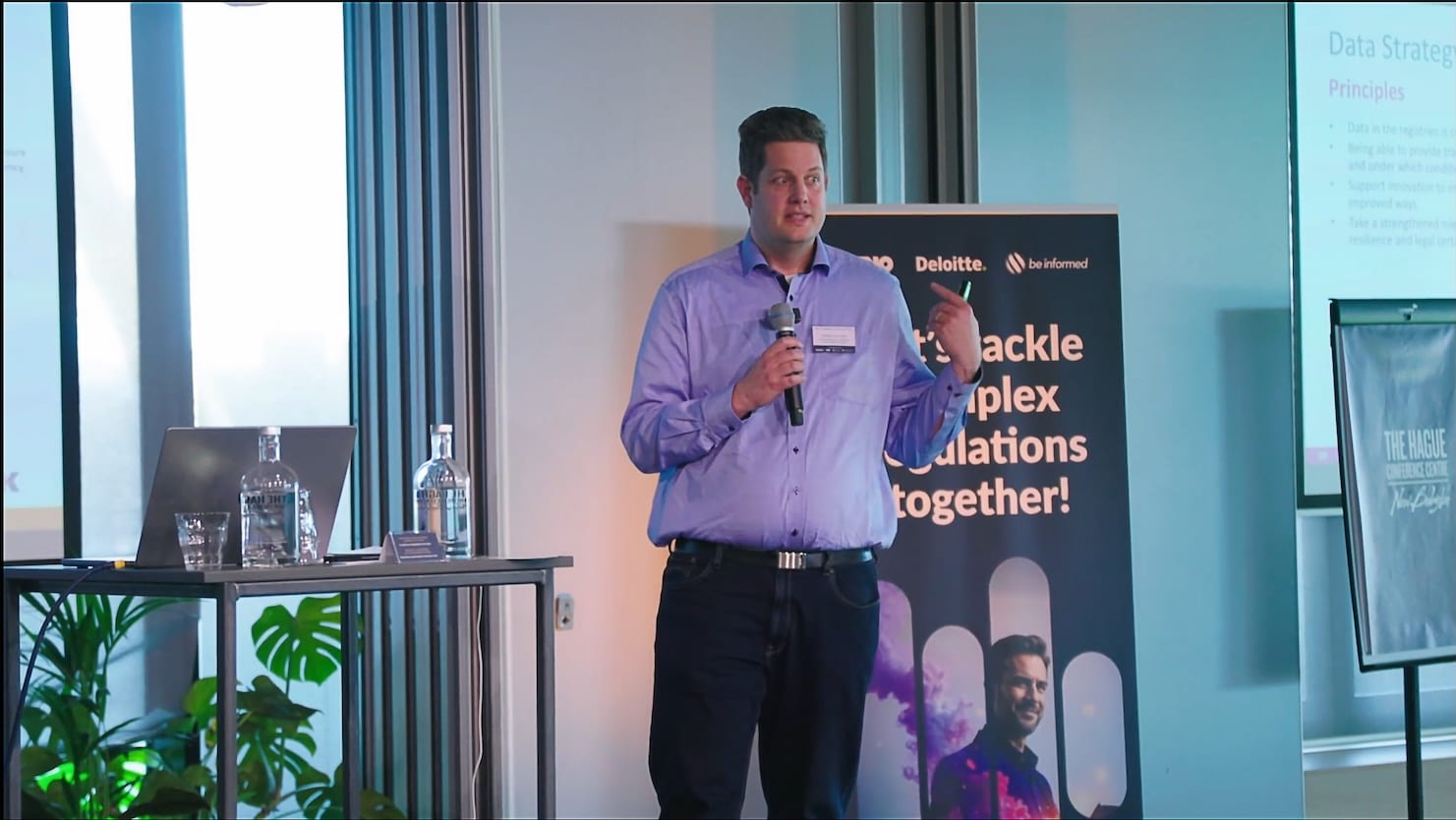
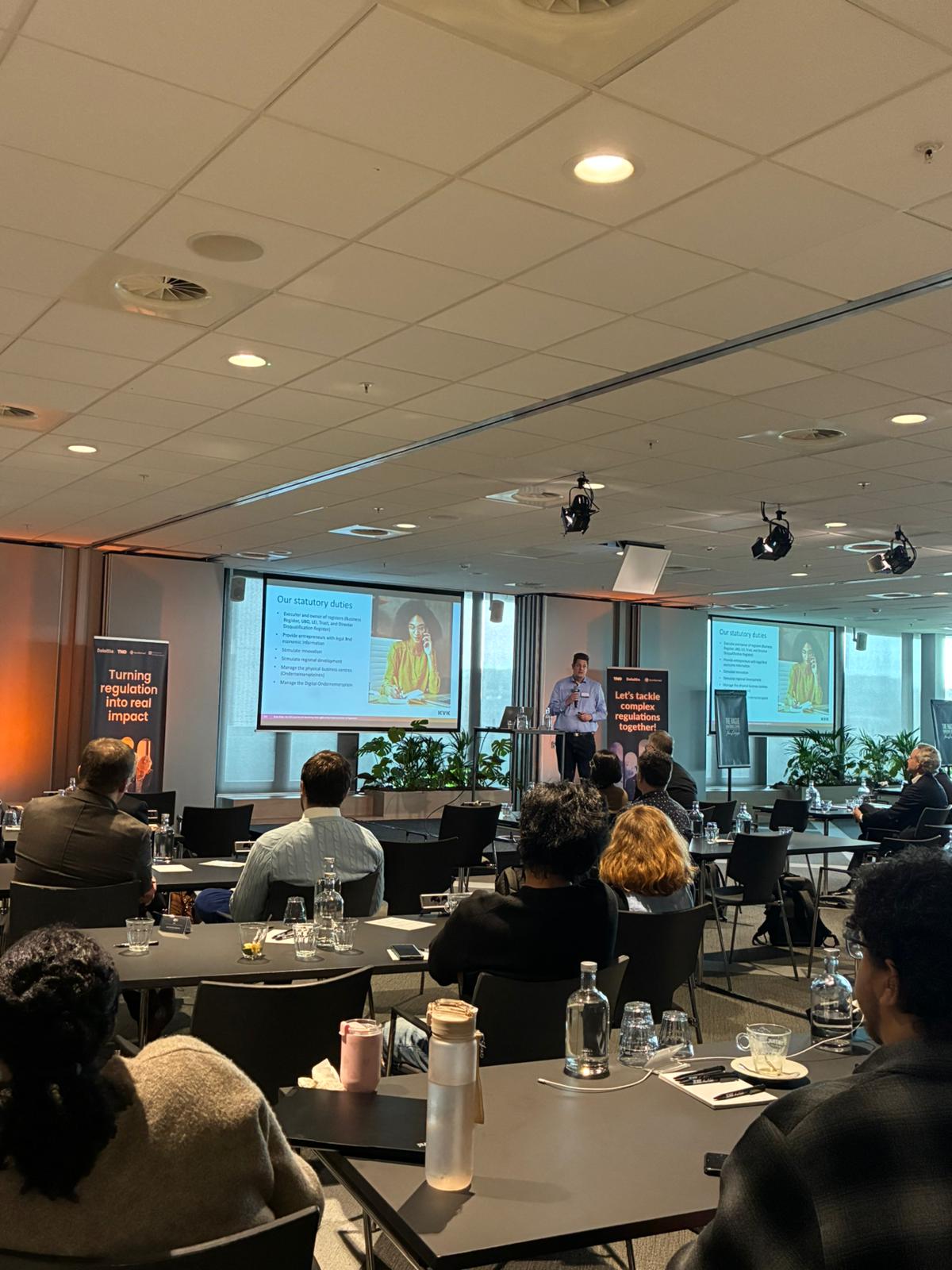
Matthijs ten Hoedt from the Netherlands Chamber of Commerce KVK shared about the KVK’s journey on becoming more agile in the implementation of legislation.
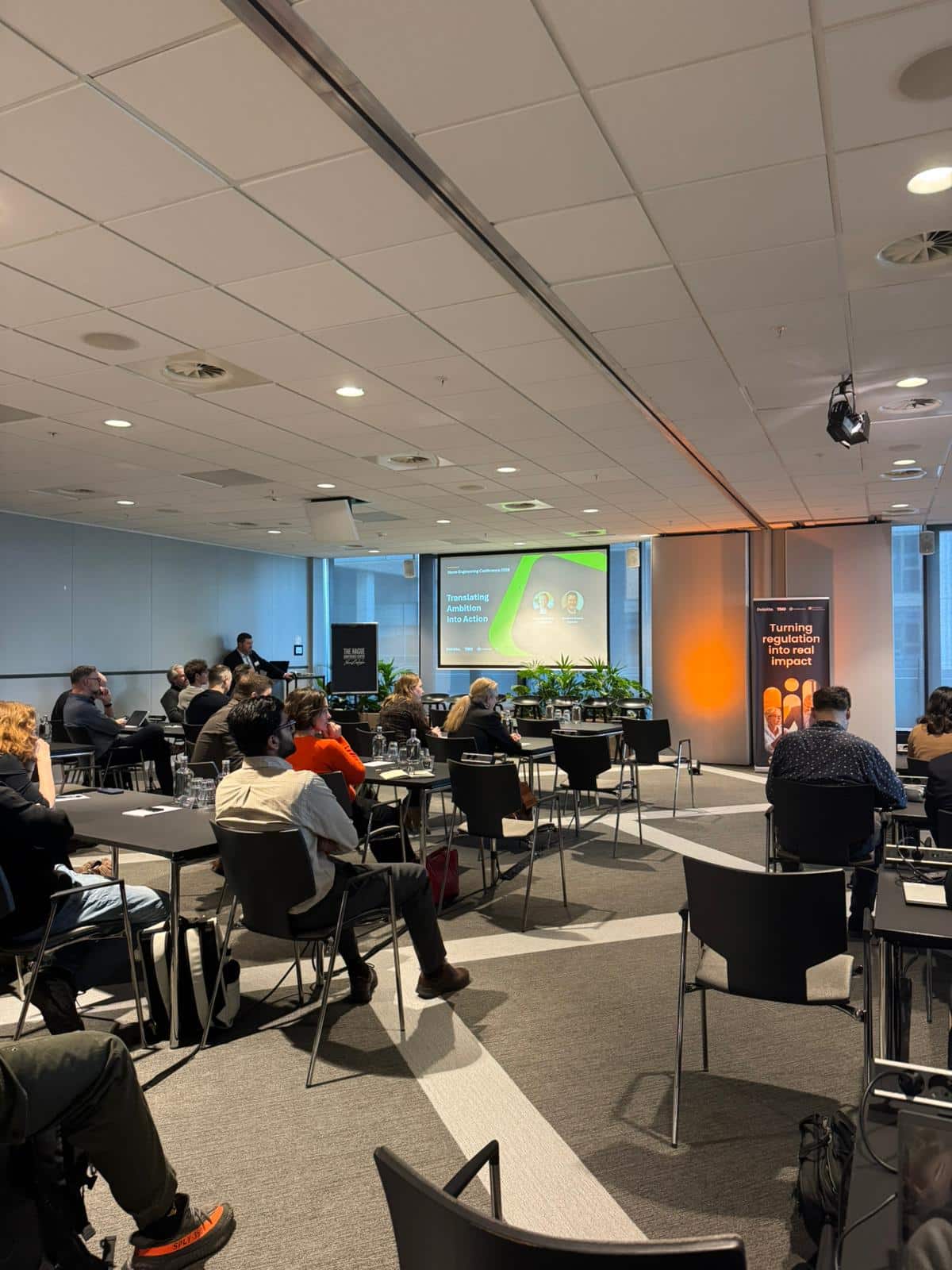
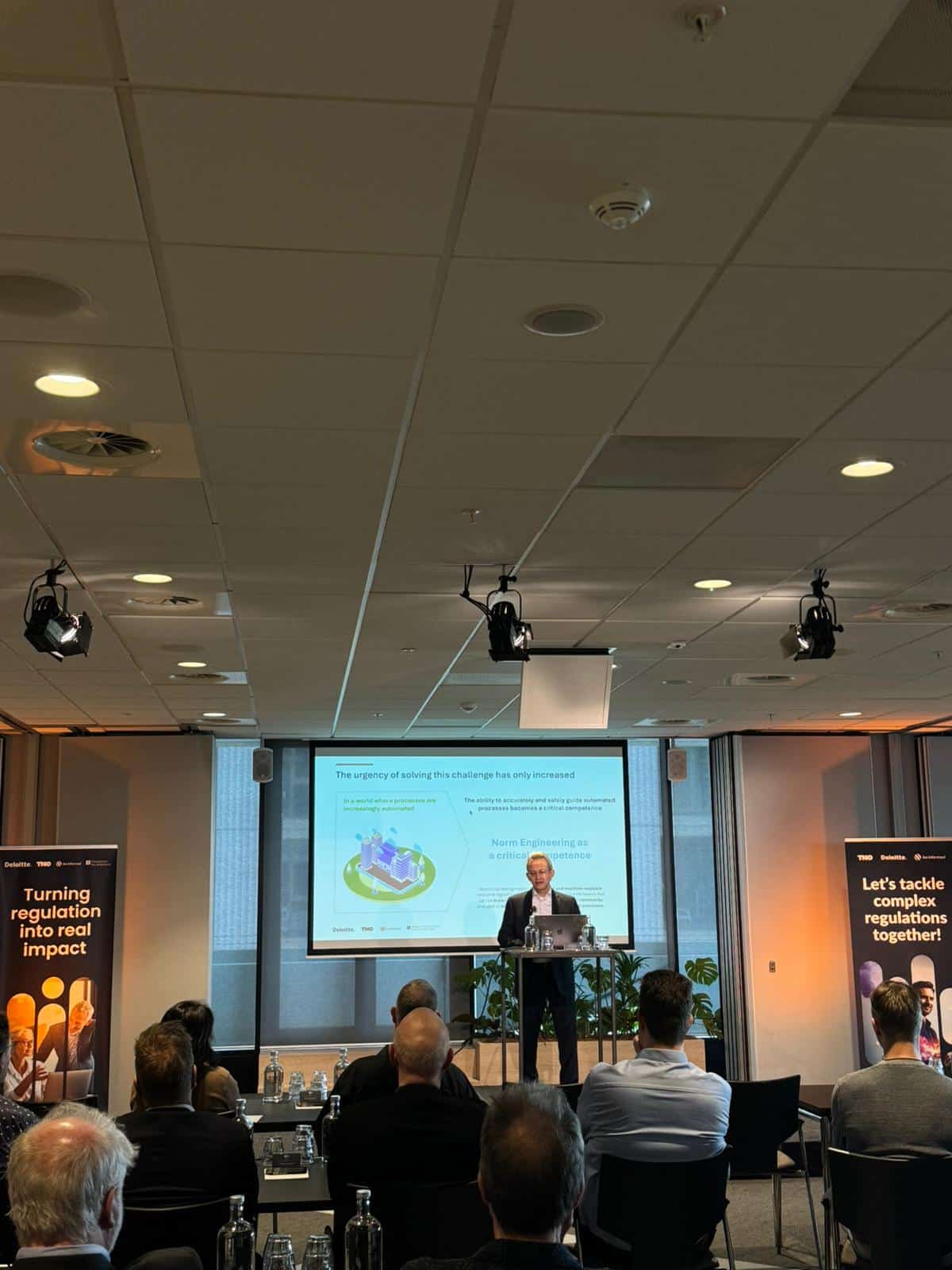
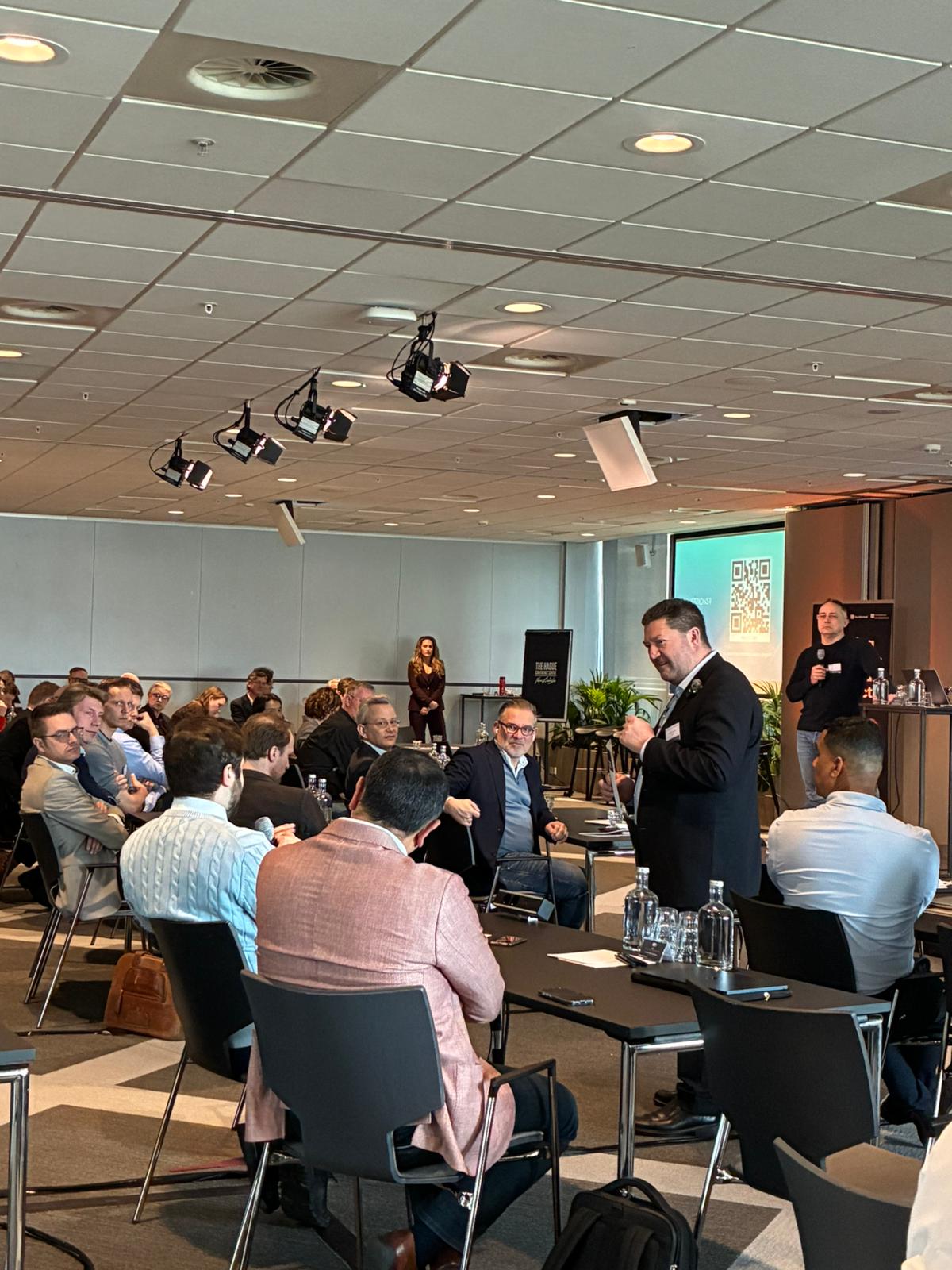
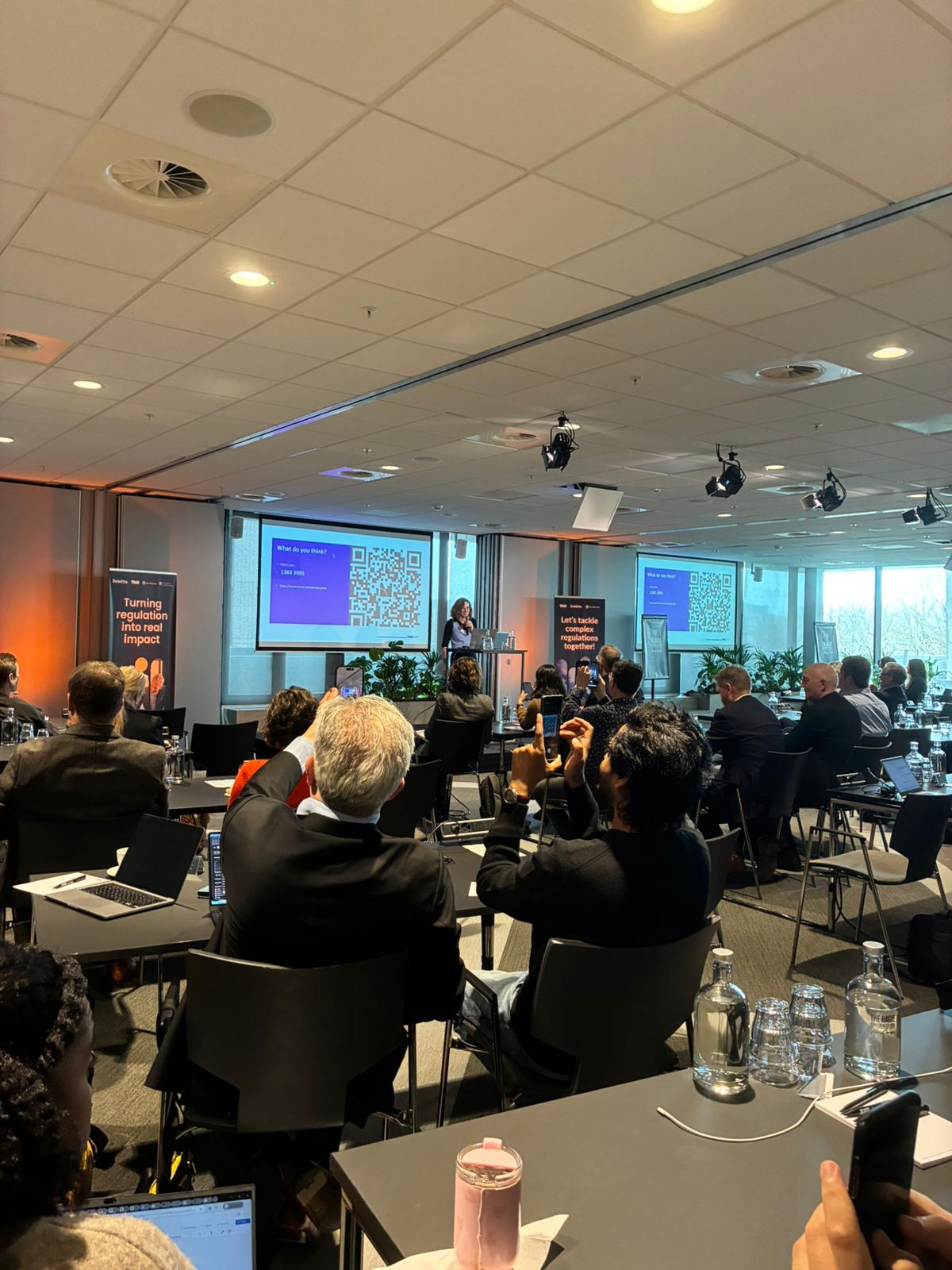
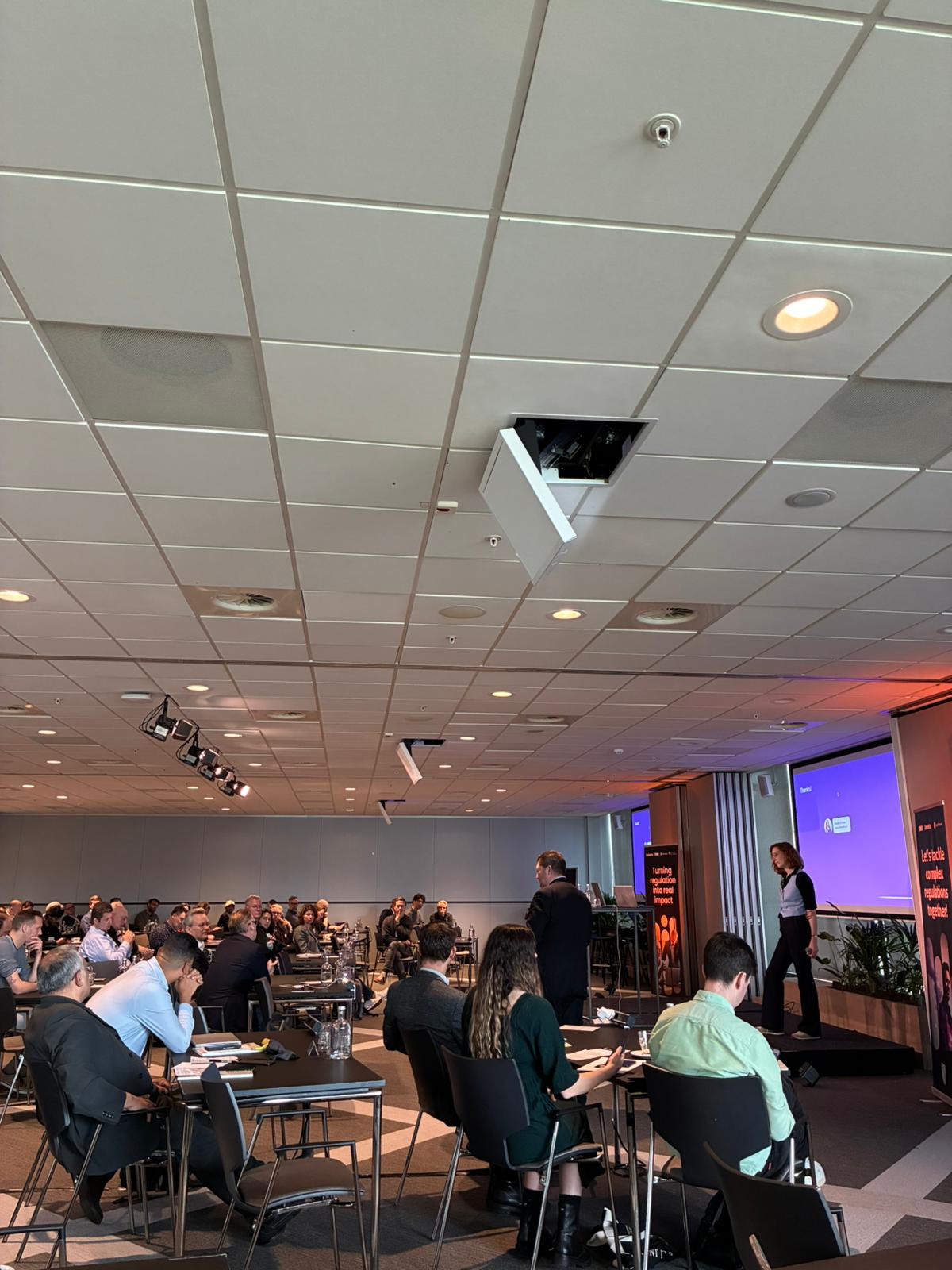
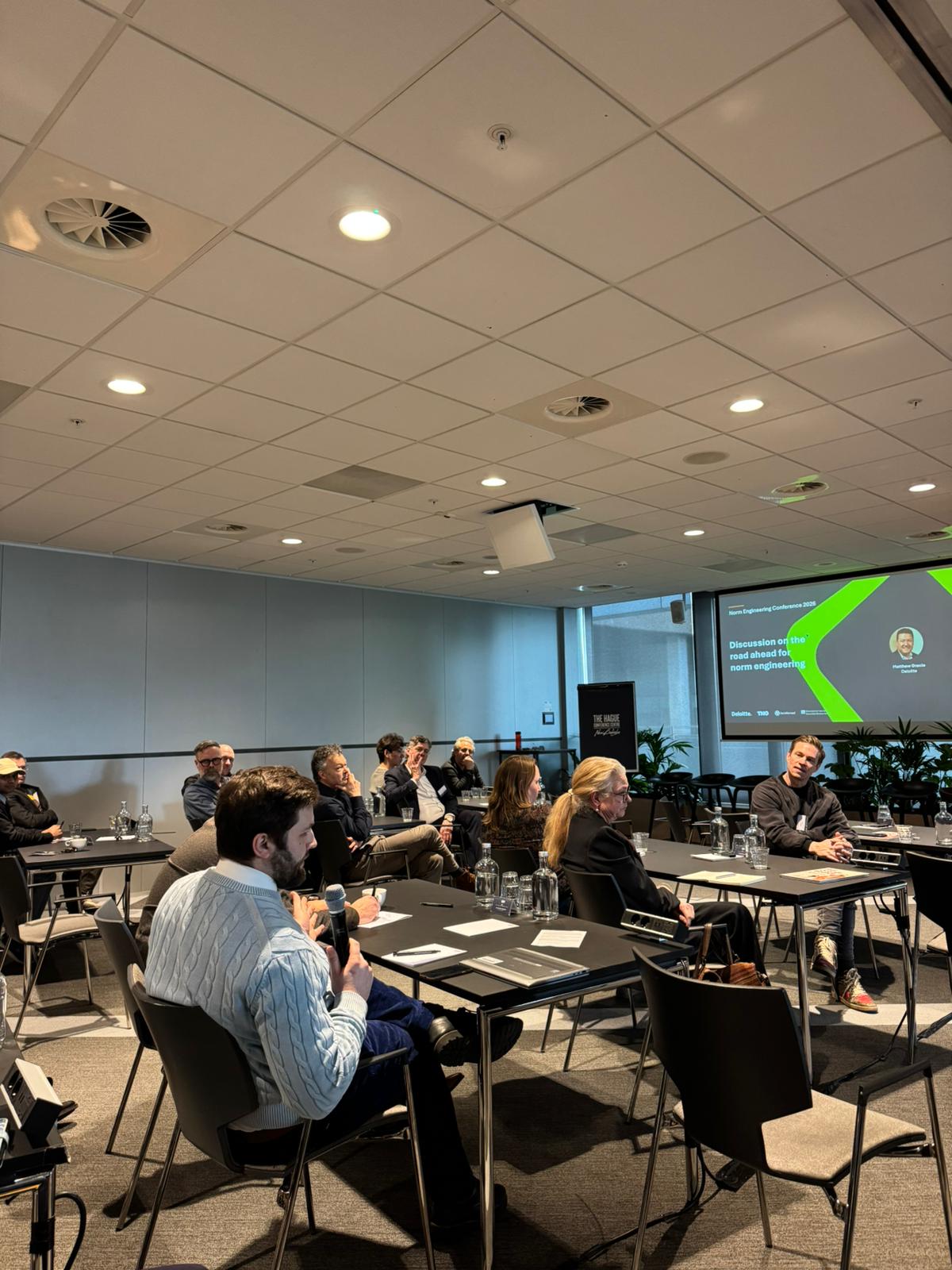
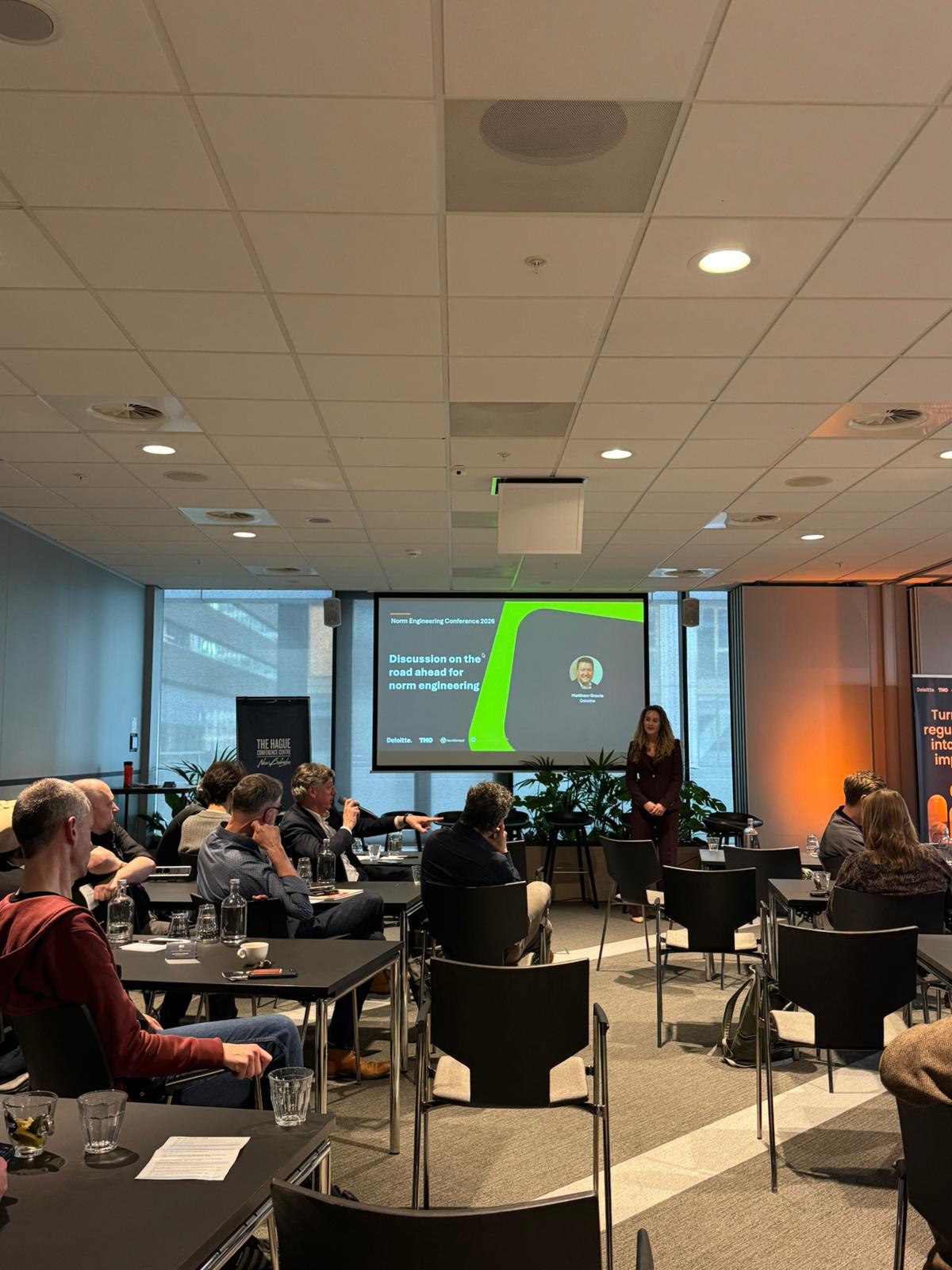
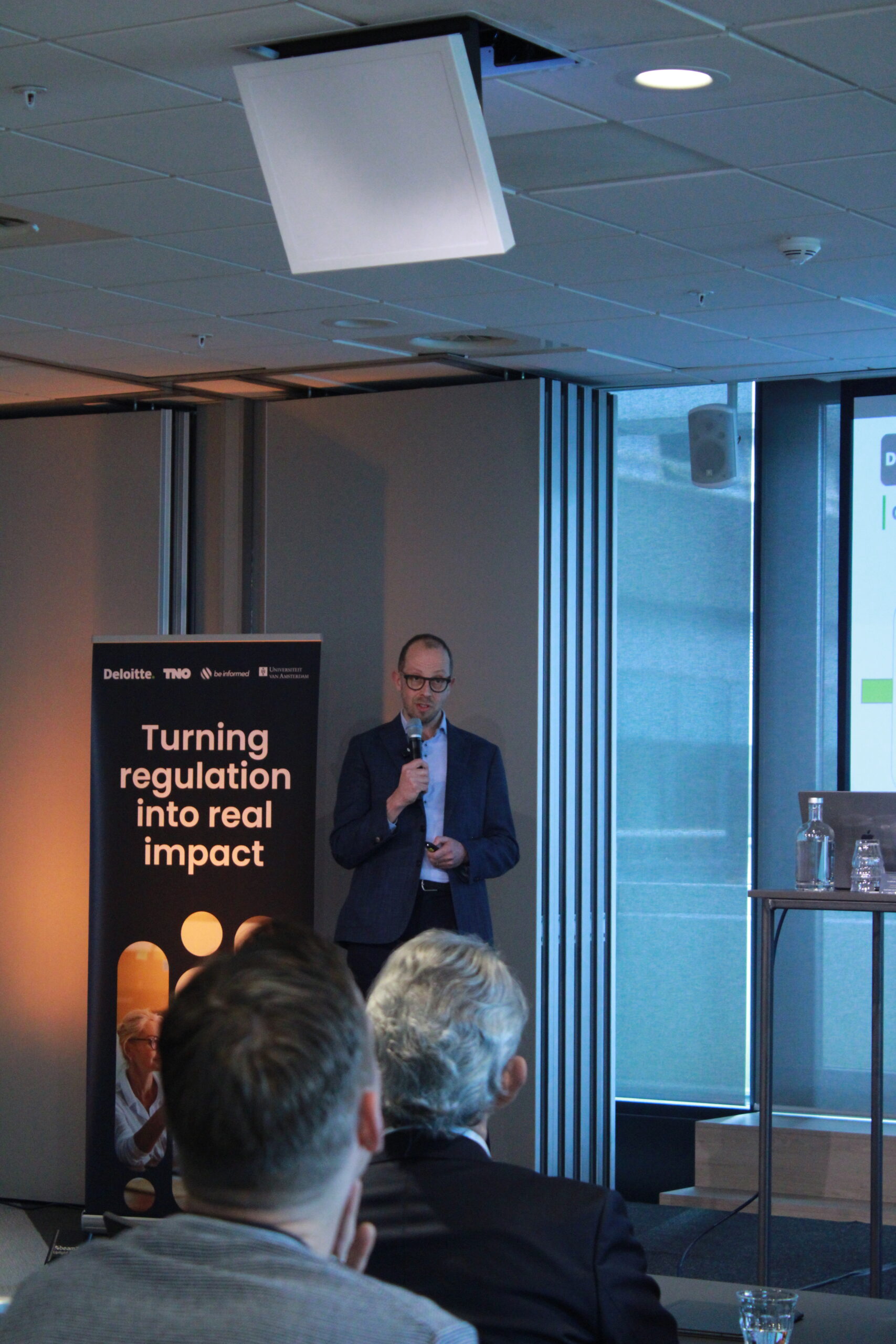
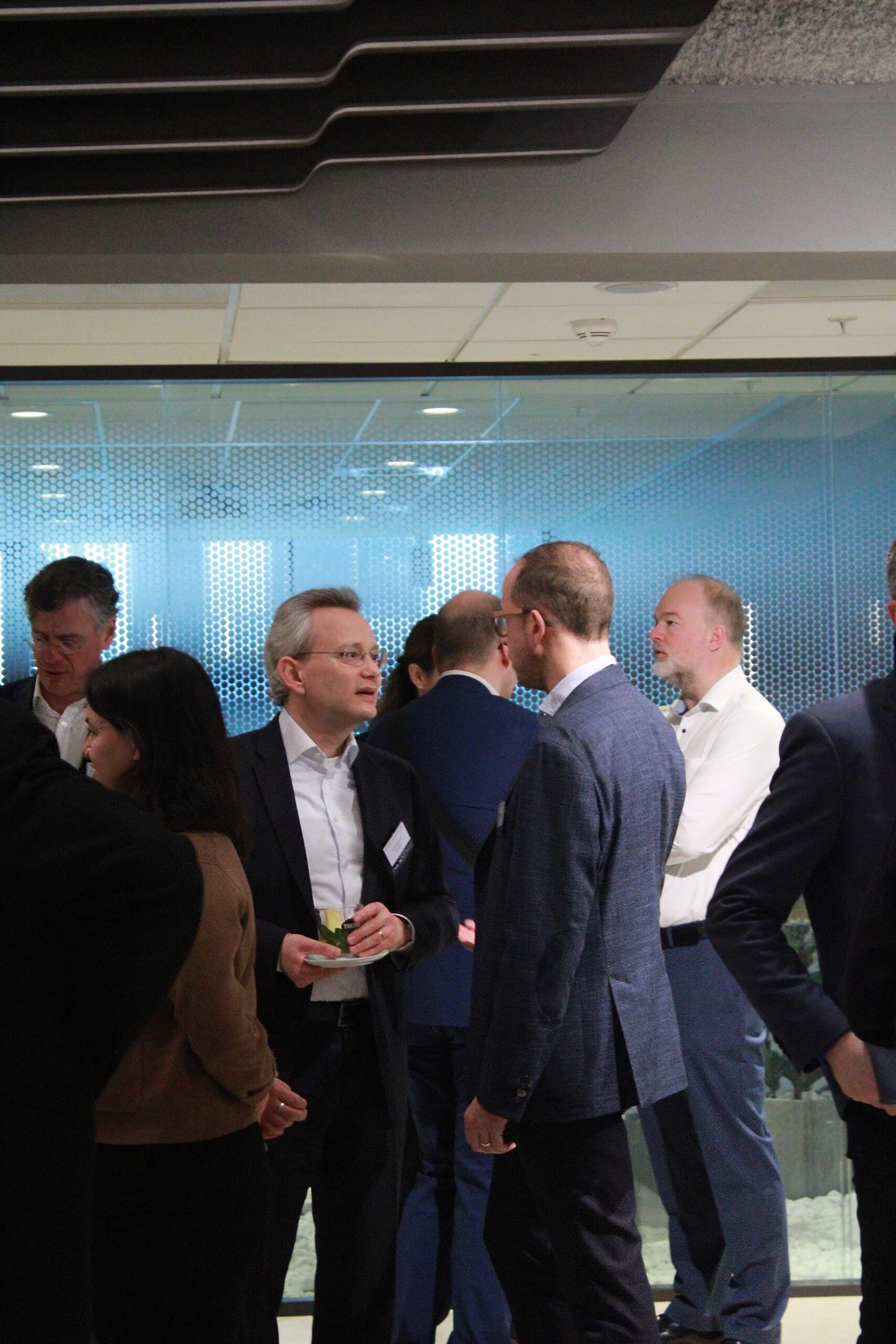
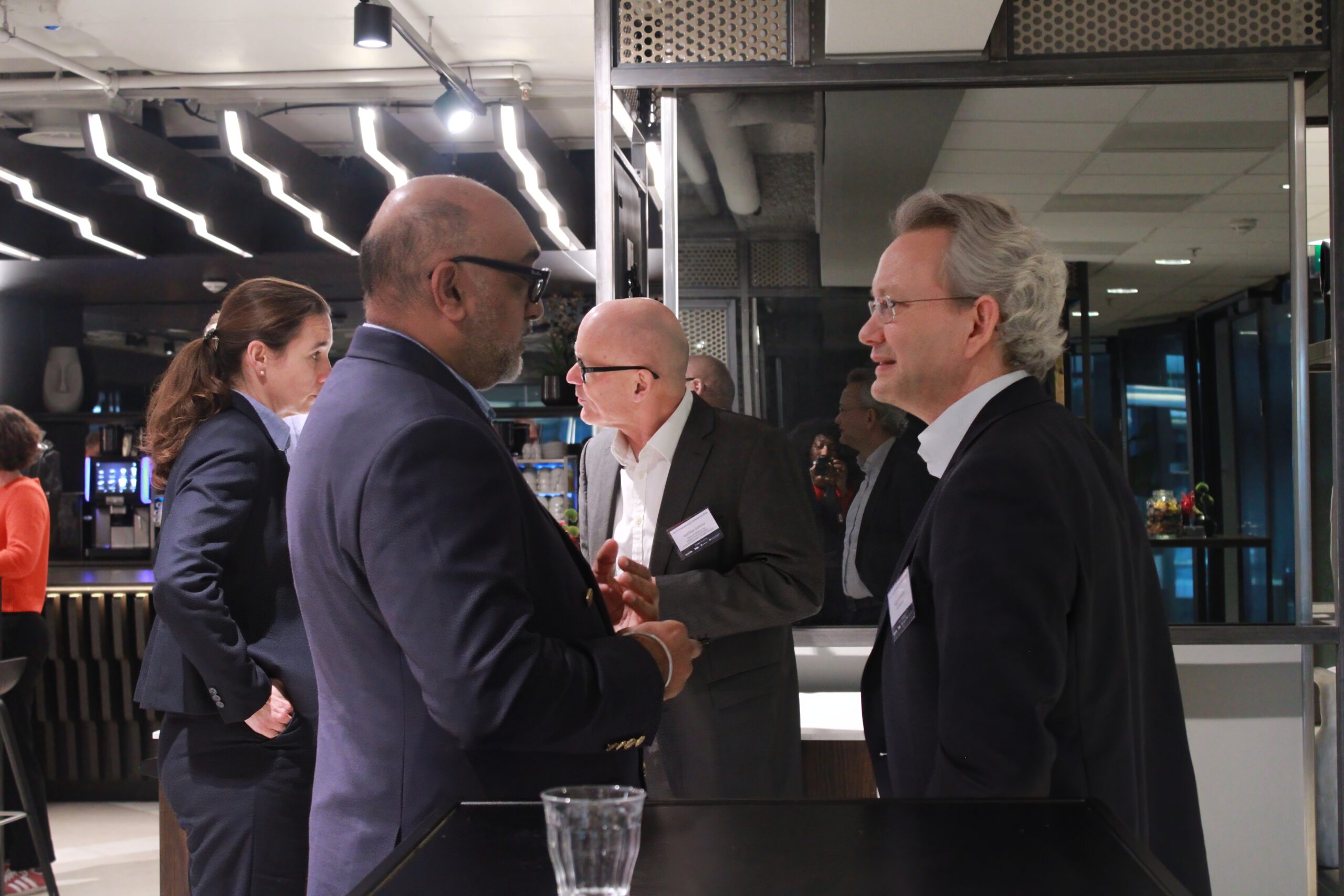
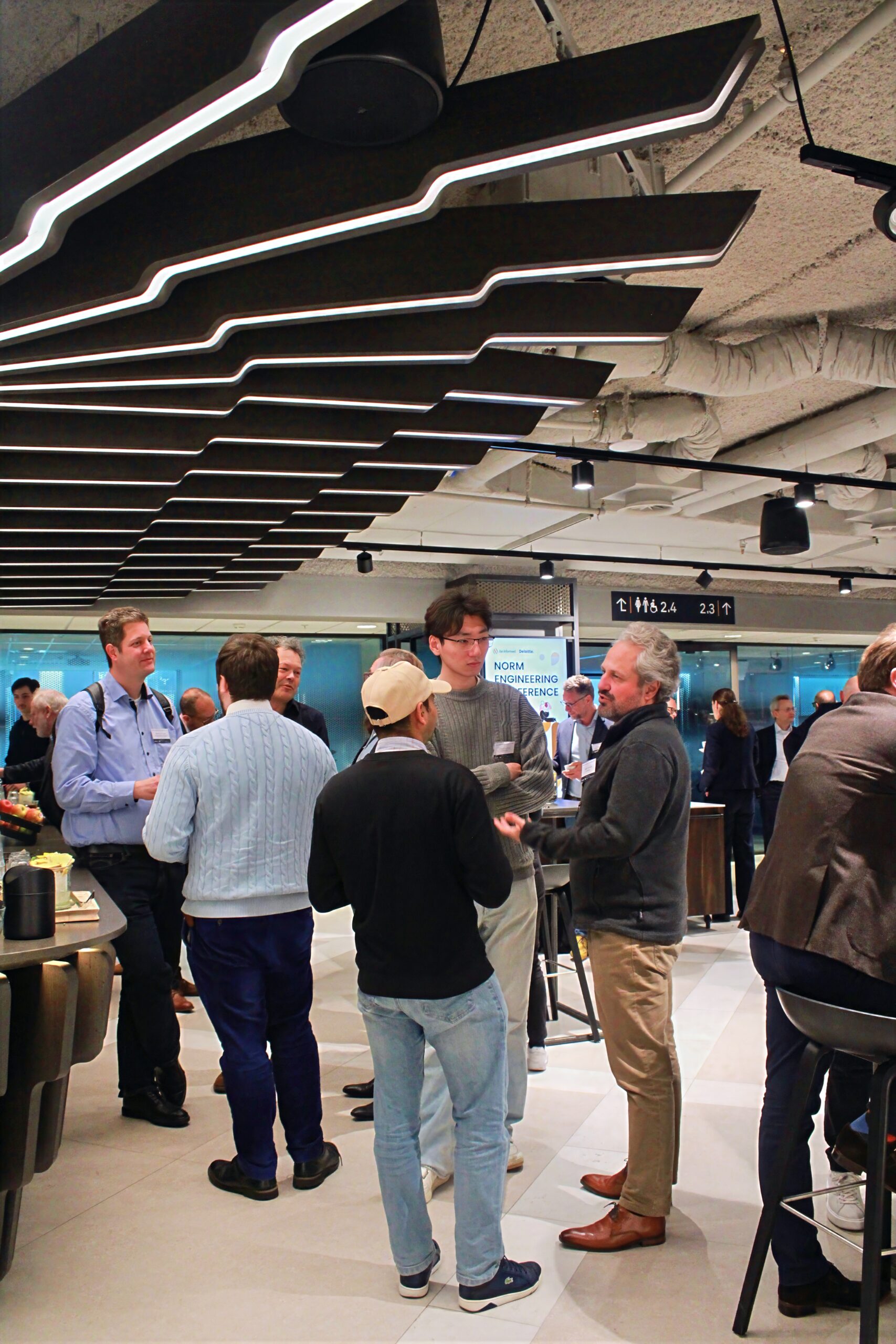
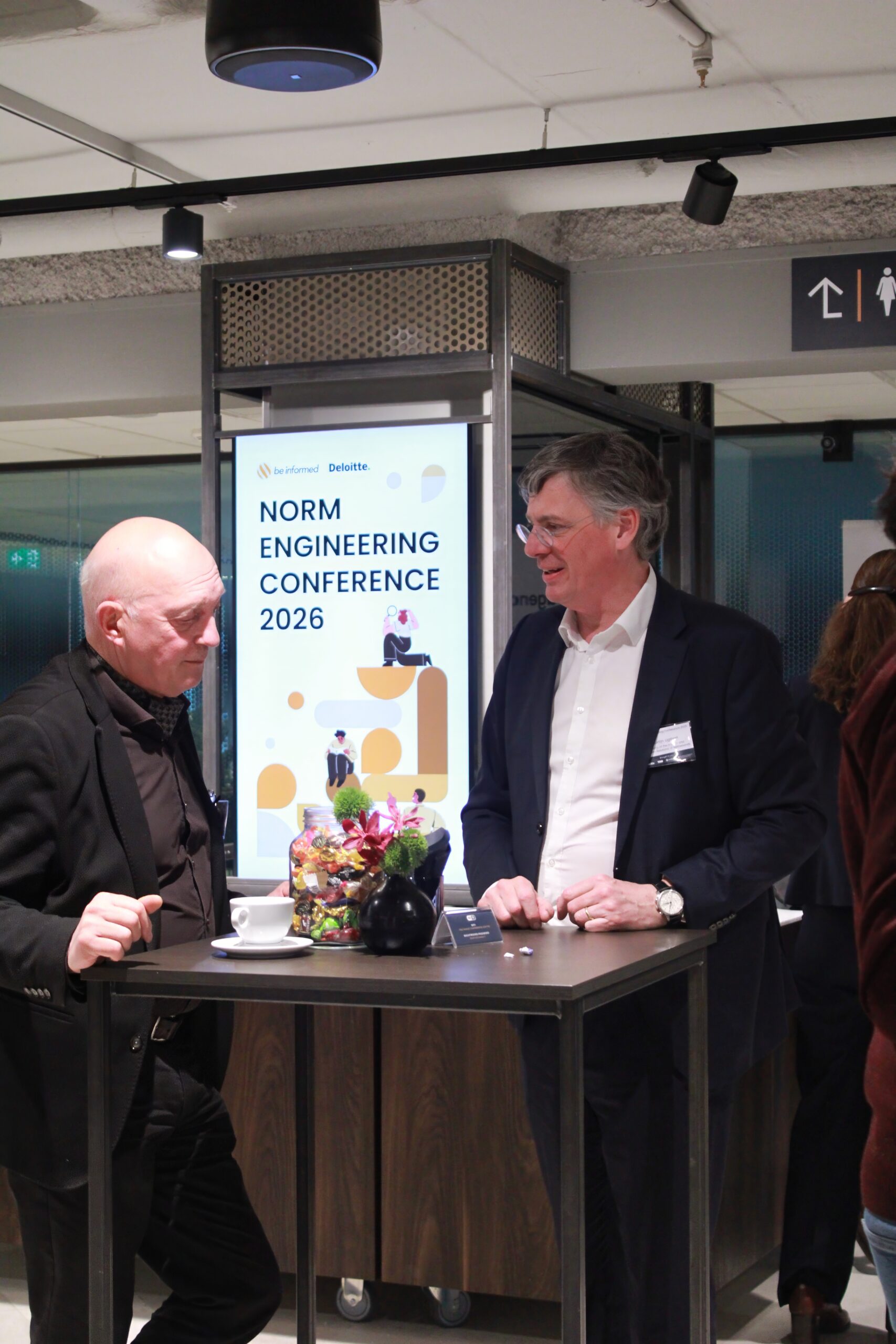
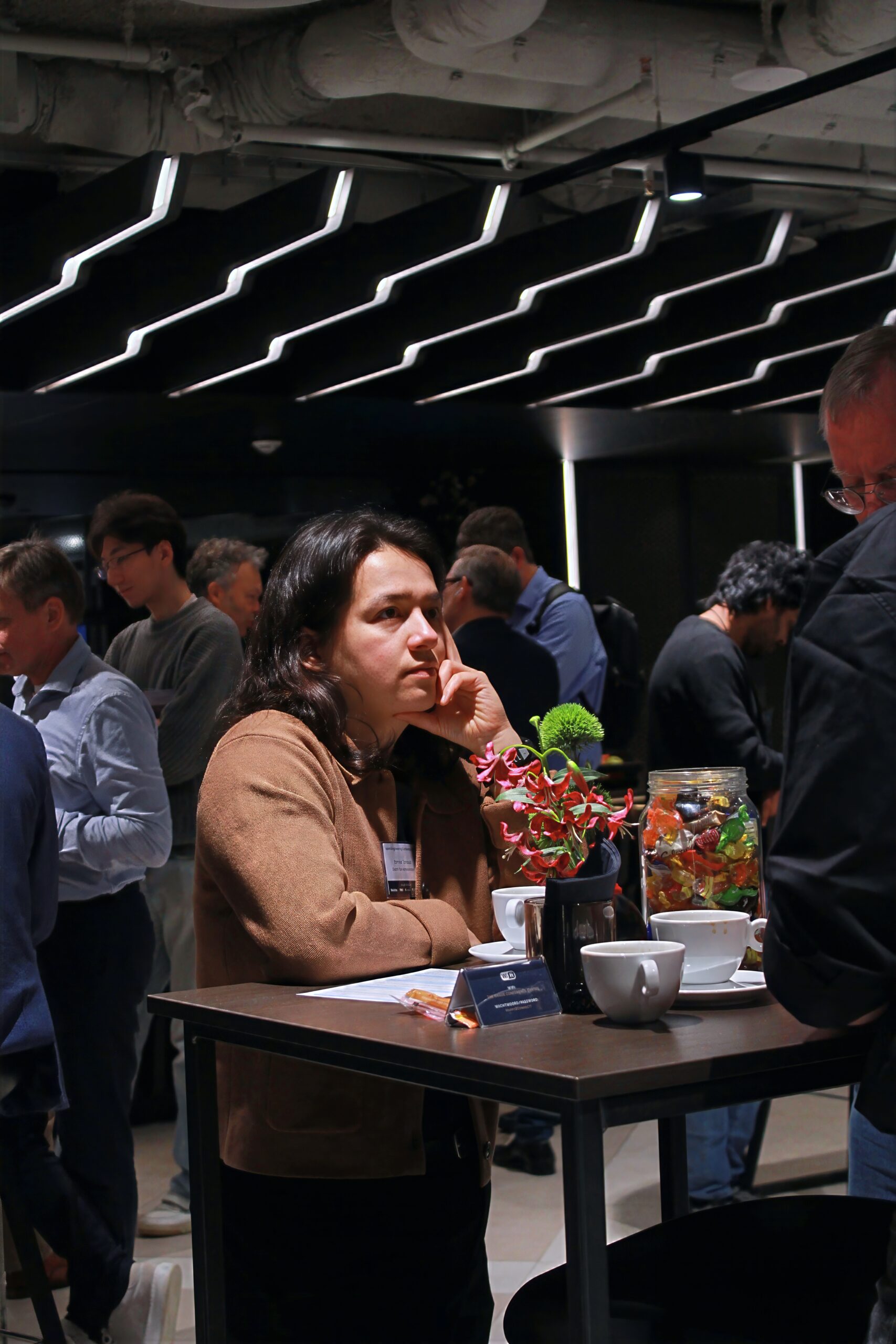
Experience the energy and inspiration of the event through our photo gallery.
A big thank you to all our speakers
Click on the speakers' pictures to see their bio and an abstract of their presentation.
Matthew Gracie Deloitte
Hugo Ehrnreich Be Informed
Tom van Engers University of Amsterdam
Robert van Doesburg TNO
Vincent van Dijk Pharosius
Geert Rensen Be Informed
Martijn Ligthart Ministry of the Interior and Kingdom Relations
Maaike de Boer TNO
Ivar Timmer Amsterdam University of Applied Sciences
Stijn Vandeweyer Deloitte
Matthijs ten Hoedt The Netherlands Chamber of Commerce KVK
Sara Maes Deloitte
Abram Klop Ministry of the Interior and Kingdom Relations
Ronald Heller Be Informed
Brought to you by
What is norm engineering?
Norm Engineering converts legal language and regulations into structured data models. This standardized approach allows organizations to automate regulatory interpretation, making compliance systems more accurate in analyzing and monitoring legal requirements.
In collaboration with the University of Amsterdam, TNO, Deloitte, and Be Informed have launched a Norm Engineering programme. This initiative aims to create methods and tools for clear, unambiguous regulatory interpretation. The FLINT language, a key outcome, translates social, ethical, and legal norms into a format both humans and systems understand, enabling seamless automation.
Translating Ambition into Action
In this opening keynote, Matthew Gracie kicks off the day by exploring what becomes possible when norm engineering is combined with the latest advances in AI. He shows how structured legal norms, reasoning models, and large language models together enable regulation to be interpreted, analyzed, and applied at a scale that was previously out of reach.
The keynote focuses on how these capabilities bring clarity to complex regulatory landscapes, supporting more consistent interpretation, faster analysis, and more reliable execution. Matthew sets the stage for the conference by outlining how this shift changes the way governments can work with regulation in practice, moving from complexity to clarity, and from fragmentation to coherence.
Matthew Gracie Managing Director | Strategy+Analytics Deloitte US
Matthew Gracie is a Managing Director in the Strategy & Analytics team at Deloitte Consulting LLP. He leads Deloitte’s Regulatory Intelligence portfolio and is a thought leader with global and national experience in strategy, analytics, marketing, and consulting.
Opening: Norm Engineering from ambition to action
Welcome and opening remarks about the future of Norm Engineering, hosted by Matthew Gracie – Managing Director | Risk, Regulatory & Forensics at Deloitte US, and Hugo Ehrnreich – CEO at Be Informed.
Hugo Ehrnreich Chief Executive Officer Be Informed
Hugo has a 25+ year track record in growing global Enterprise B2B SaaS technology companies in digital transformation, business intelligence, and analytics, ranging from Amadeus IT group to Slideworx (now mTab) and CXO Software (now Insightsoftware). Prior to joining Be informed, Hugo was CEO at Bizzdesign. Hugo has a rich international background and holds an MSc in Economics from the London School of Economics and an MBA from INSEAD.
Explainability, Traceability, Reproducability and Accountability with Autonomous AI Workflows
As AI systems evolve from static models to autonomous workflows capable of planning, acting, and adapting with minimal human intervention, questions of trust and control become critical. This talk examines four foundational pillars required to deploy autonomous AI responsibly at scale: explainability, traceability, reproducibility, and accountability. We will discuss how the complexity of multi-step, tool-using, and self-improving AI workflows challenges traditional approaches to model interpretability and auditability.
We will discuss how we explore practical patterns for capturing and surfacing explanations of system behavior at the level of decisions, tools, and workflow graphs; designing robust traceability via fine-grained logging, data and model lineage, and event-based observability; enforcing reproducibility through configuration management, dataset versioning, and deterministic execution where possible; and embedding accountability with human-in-the-loop checkpoints, governance policies, and clear responsibility assignment. Realistic scenarios—such as autonomous data analysis pipelines, decision-support agents, and workflow orchestrators.
By the end of the talk, attendees will be updated with our research programme that is aimed at providing a conceptual framework and a set of concrete design principles for building autonomous AI workflows that are not only powerful and adaptive, but also inspectable, debuggable, and governable in real-world organizational contexts.
Pr. Dr. Tom van Engers Legal knowledge management | Faculty of Law University of Amsterdam
He conducts research on AI and law, with a specific focus on normative reasoning. He has been engaged in research on AI and law since 1983 and has worked on both knowledge-driven and data-driven AI methods. He has coordinated a large number of (inter)national research projects. He is involved in five research projects funded by the Dutch Research Council (NWO). In all of these projects, AI ensures within the relevant application domains that the behavior of systems remains within socially, ethically, and legally acceptable boundaries, in other words, that normative control over these systems is maintained. The fundamental research carried out at the Leibniz Institute, a collaboration between the University of Amsterdam with two participating faculties (Science, Mathematics and Computer Science, and Law), and TNO with its focus on applied research, enables TNO to further strengthen its position as a thought leader in the field of “conscientious AI.”
Rules as Code and Norm Engineering
In this session, Robert van Doesburg explores the relationship between Rules as Code and Norm Engineering. He discusses where the two approaches overlap, how they differ in purpose and scope, and what each contributes to the engineering of regulation. Drawing on practical experience and research, the presentation provides clarity on how these approaches can complement each other and where distinct choices need to be made when designing and implementing regulatory systems.
Robert van Doesburg Scientist TNO
Robert van Doesburg, a scientist at TNO, specializes in systemic interpretations of regulations. With a background in chemistry, he has extensive experience as a consultant (1995-2005) and civil servant (2005-2020), including his work on a rule-based information system for the Dutch Immigration and Naturalization Service (IND). Currently pursuing a PhD at the University of Amsterdam, Robert contributes to TNO’s Norm Engineering program, developing tools to interpret regulations and apply norms and rules in case reasoning.
Wishes and possibilities regarding norm engineering
This is a round table discussion where experts will explore expectations, ambitions, and opportunities for norm engineering.
Vincent van Dijk Senior Legal Analyst Phaorius & Be Informed
Vincent van Dijk LL.M is a senior advisor on legal analysis and rule governance. He posseses almost 25 years of experience in the triangle composed of rules, processes and data. Especially in organizations with a challenge in implementing legislation in their business solutions. His legal background and extensive experience in IT projects with a rule driven approach help Vincent to bridge the gap between the business domain and implementation.
Use cases: Norm Engineering in law improvement, government execution, operational process compliance
Norm Engineering has existed for decades as a way to represent legal norms in a structured, machine-interpretable form. Yet it never became the mainstream approach for managing regulatory complexity. The reason: applying Norm Engineering at enterprise or national scale was difficult due to three bottlenecks — scarce interdisciplinary expertise, lack of shared standards, and low productivity in modeling regulation.
Today these barriers are rapidly disappearing. Collaboration platforms enable experts to work together on shared regulatory models, emerging standards such as FLINT and the Legal Analysis Scheme provide a common legal grammar, and AI dramatically accelerates regulatory interpretation.
Norm Engineering at scale is becoming feasible, enabling new use cases such as regulatory reengineering for policymaking, regulatory digital twins for organizations, and compliant applications. As AI increasingly supports decision-making, structured and reusable representations of legal norms are becoming essential infrastructure.
Geert Rensen Chief Customer Officer Be Informed
“We founded Be Informed to help organizations navigate complex regulations efficiently. By interpreting regulations in a way understandable to both computers and humans, we can now help organizations build compliant applications and ensure that the right regulations are applied at the right time. Over the past twenty years, we’ve collaborated with leading customers, governments, and academia globally to develop this technology.”
Geert, our Chief Customer Success Officer, has held roles including Director of Business Development, COO, Managing Director of US Operations, and Director of Marketing and Sales. Previously at Logica, he served as Account Manager, Business Unit Manager, and Sales Director Public Sector. Geert holds an MSc in Economics from Tilburg and Uppsala Universities.
Case Study: introduction of the Dutch Omgevingswet
This session explores the introduction of the Dutch Omgevingswet (Environment and Planning Act). This act is supported by the introduction of a nationwide digital ecosystem: the Digitaal Stelsel Omgevingswet(DSO), with the Omgevingsloket as its public one-stop shop. Together, they represent a systemic innovation in making environmental and planning law machine-readable, geo-referenced and executable. It is in is one of the world’s first large‑scale innovative implementations of Rules as Code (Norm engineering).
Central to this innovation is the full digitization of legal decisions using open standards. Legal texts are published through standardized models (e.g. STOP/TPOD) and translated into “applicable rules” (STTR) that power decision trees, automated permit checks and structured submissions (STAM). By linking legal rules to geo-coordinates, users can “click on the map” to see all applicable national and local regulations for a specific location. This integration of rule management and geoinformation creates a level information position for citizens, professionals and authorities alike, while enabling open API-based reuse and innovation.
The DSO replaces fragmented legacy portals with a single, government-wide platform, fostering deregulation through harmonization, transparency and shorter procedures. Crucially, continuous monitoring of portal use (millions of sessions annually) and targeted UX testing feed insights back into both digital development and regulatory drafting. This structured feedback loop helps bridge the gap between the policy domain and day-to-day implementation practice. It represents a decades long change in policy, ICT and government culture. Full implementation is forecasted for 2032. In the presentation Martijn Ligthart will explore the many challenges of the DSO introduction and the exiting new possibilities that may lay ahead.
Martijn Ligthart Program manager Ministerie van BZK
Martijn Ligthart (born 1971, public administration) has been active in the civil service for more than a quarter of a century, mainly in the domain of the physical living environment, where he currently works as a programme manager. He was present at the inception of the Omgevingswet and the Digital System for the Environment and Planning Act and has promoted the introduction of the Act and the DSO in many roles over the past years).
State of the Art in Norm Engineering & AI
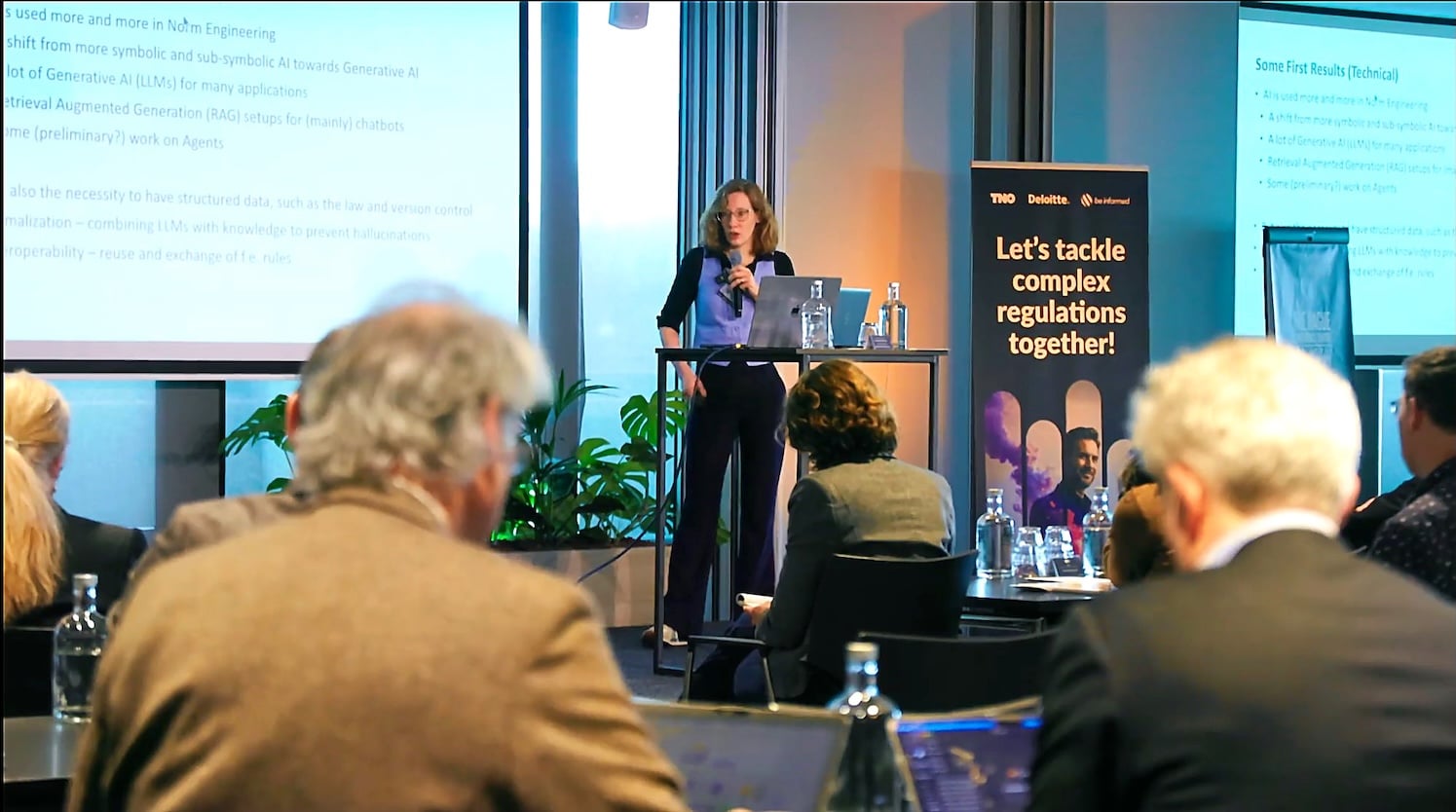
In this session, Maaike de Boer, senior scientist at TNO, presents how artificial intelligence can support the representation, interpretation, and application of legal norms. The presentation highlights current capabilities, limitations, and emerging research directions, with a focus on responsible and explainable use of AI in regulatory contexts.
Maaike de Boer Senior Data Scientist Hybrid AI TNO
Maaike de Boer (PhD) is a senior Scientist at TNO within the Data Science department. Maaike has a background in AI with a focus on linguistics and information retrieval (Msc from Utrecht (2013), PhD from Radboud University (2017)). At TNO Maaike focuses on Hybrid AI – specifically combining language models and knowledge graphs / ontologies. She is involved in scientific projects, including European projects such as TrustLLM and Cyclopes, and Dutch and B2B projects such as the Growth Fund project Vaardig met Vaardigheden. Maaike is involved in Rules as Code from 2021 onwards, and together with the team she published several papers on this topic. Further details can be found through LinkedIn and Google Scholar.
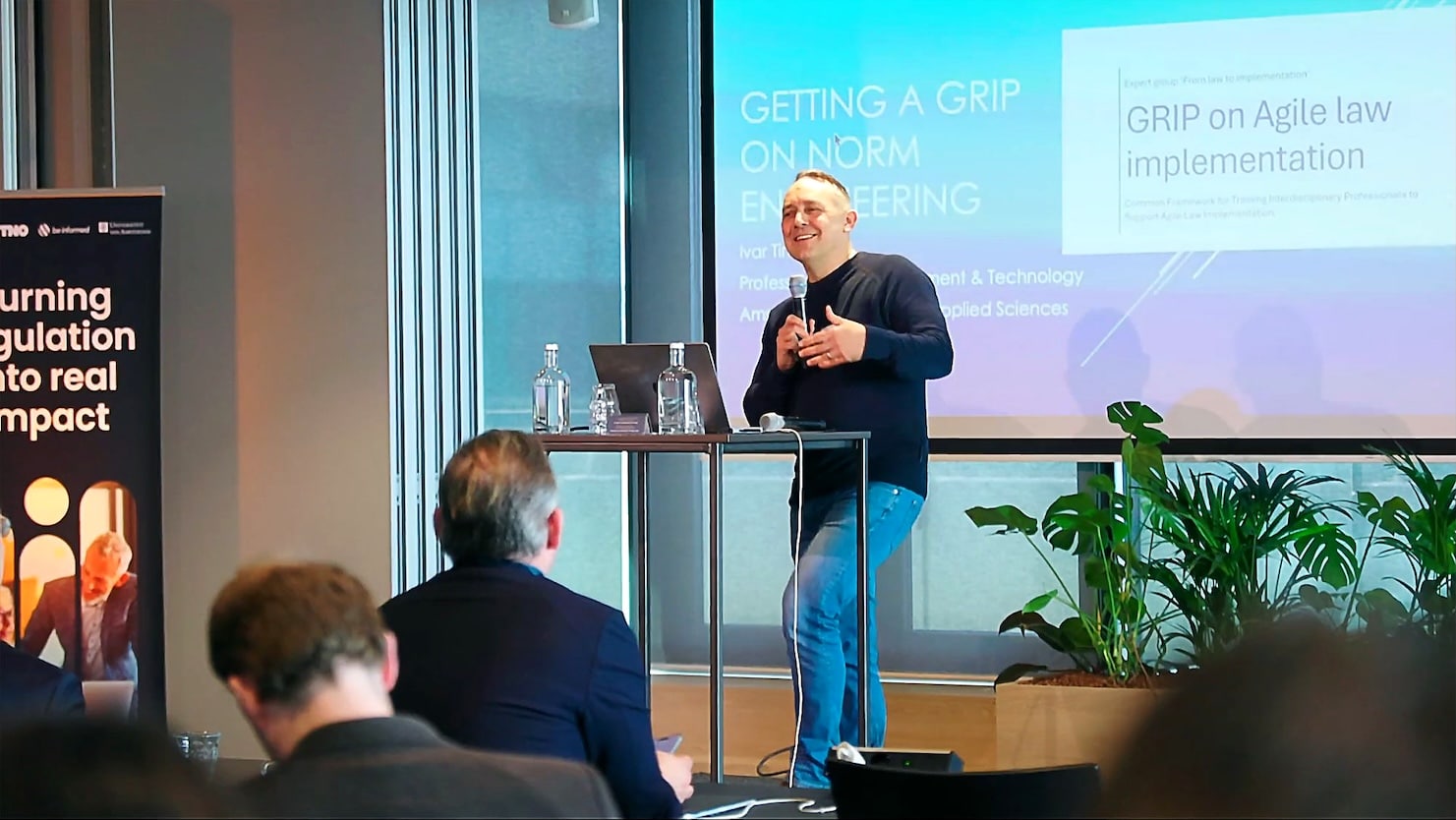
Getting a GRIP on Norm Engineering?
Norm Engineering requires a fundamental change in the way of working of governmental organizations and new knowledge and skills for a variety of governmental professionals (e.g. legal professionals, rule analysts, administrative professionals, business analysts, IT architects, policy makers and management). In the Netherlands, a consortium of universities has been working on open access courses to educate future professionals on new methodologies such as Norm Engineering. These courses also prove to be valuable for current governmental professionals and have been integrated in the governmental academy for digitalization. The courses have an interdisciplinary perspective, addressing legality, transparency, efficiency and citizen-oriented services. A modular approach allows for serving participants having different fields of expertise (legal, IT, public administration, communication) or different roles. In a related initiative, a survey amongst governmental organisations was done to get to an agenda for incrementally expanding the quantity and quality of available courses. As a result, an expert group formulated a framework of learning outcomes (named: GRIP) on methodologies for Norm Engineering and similar methodologies (using the European Qualification Framework) that supports educators in developing new programs and helps governmental organization in a systematic approach of the development of their professionals.
Ivar Timmer Lector in Legal Management & Technology Amsterdam University of Applied Sciences
Mr. dr. Ivar Timmer is Professor of Legal Management & Technology and Research Coordinator of the Legal Tech Lab, part of the Centre of Expertise Applied Artificial Intelligence. His work focuses on bridging law and technology, with particular expertise in legal tech, legal risk management, legal service design, and legal process management.
Case Study: Flemish Permitting
Deloitte developed, in collaboration with the Flemish Department of Environment and other stakeholders, an AI-powered solution to transform the complex and time-consuming environmental permit process. Following a strategic Nzyme session with key stakeholders—including Minister Jo Brouns, municipalities, and industry partners—the team identified an ambitious goal: automating 80% of permit applications while focusing human attention on the remaining 20% of complex cases.
The solution leverages three core technologies: norm engineering (creating a machine-readable digital representation of regulations), digital workflows, and agentic AI (supervisor agents coordinating autonomous compliance checks). Demonstrated through a use case, the solution automatically determines applicable requirements and compliance based on geolocation, request type, and submitted documents. It generates dynamic questionnaires for citizens, performs real-time compliance checks, and provides administrators with a dashboard for oversight. The solution won the Flanders Hackathon 2025. With over 225 daily permit applications in Flanders averaging three-month processing times, this innovation promises enhanced transparency and the right of pre-consultation, accelerated timelines, and reduced rejections while maintaining human-in-the-loop validation.
Stijn Vandeweyer Senior Director Strategy | Analytics & M&A | Government & Public Services Consulting Leader Deloitte
Stijn’s primary focus has always been public sector for 20+ years. First as researcher at the Public Management Institute (University of Leuven), followed by being a trusted advisory for multiple clients of all Belgian government levels. Stijn has been managing many complex transformations in all policy domains and has a deep understanding of all trends and evolutions within government. As strategic advisor, he brings value to his clients in areas as strategic transformation, policy advisory, administrative simplification, better regulation, and spending reviews.
Het is a leading a team of 65+ resources working for both EU institutions and Belgian government clients in the areas of strategy and analytics. Furthermore he is bringing the strengths of all Deloitte offerings to his clients, as ITRG sector leader focusing on transport & mobility, climate, regional growth and infrastructure and Consulting G&PS leader. His international network is an important lever to exchange good practices with other geographies and clients.
The Netherlands Chamber of Commerce KVK journey on becoming more agile in the implementation of legislation
This session covers the journey of the Netherlands Chamber of Commerce KVK, which began in 2023 to become more agile in the implementation of legislation. Topics that will be addressed include the challenges the organisation is facing, the vision, and the practical steps KVK is taking with the Data Atlas.
Matthijs ten Hoedt Product owner The Netherlands Chamber of Commerce KVK
Matthijs ten Hoedt is product owner within the CDO office of KVK and is responsible for the development and implementation of the Data Atlas within KVK.
Innovating the building permit request: enhancing AI quality through norm engineering – a use case in flanders
Deloitte developed, in collaboration with the Flemish Department of Environment and other stakeholders, an AI-powered solution to transform the complex and time-consuming environmental permit process. Following a strategic Nzyme session with key stakeholders—including Minister Jo Brouns, municipalities, and industry partners—the team identified an ambitious goal: automating 80% of permit applications while focusing human attention on the remaining 20% of complex cases.
The solution leverages three core technologies: norm engineering (creating a machine-readable digital representation of regulations), digital workflows, and agentic AI (supervisor agents coordinating autonomous compliance checks). Demonstrated through a use case, the solution automatically determines applicable requirements and compliance based on geolocation, request type, and submitted documents. It generates dynamic questionnaires for citizens, performs real-time compliance checks, and provides administrators with a dashboard for oversight. The solution won the Flanders Hackathon 2025. With over 225 daily permit applications in Flanders averaging three-month processing times, this innovation promises enhanced transparency and the right of pre-consultation, accelerated timelines, and reduced rejections while maintaining human-in-the-loop validation.
Sara Maes Senior Manager Government & Public Sector Deloitte
Sara Maes is Senior Manager in the Government & Public Sector strategy team of Deloitte. She has been working together with EU, national, regional and local authorities for more than 12 years. Sara focuses on strategy, business design and strategic transformation. Administrative simplification is at the heart of this. Sara is co-driving the transformational play of Deloitte on permits. She is the project manager of the team that participated and won the Vlaanderen Hackathon 2025 with a permitting AI solution.
Use cases: Norm Engineering in law improvement, government execution, operational process compliance
Norm Engineering has existed for decades as a way to represent legal norms in a structured, machine-interpretable form. Yet it never became the mainstream approach for managing regulatory complexity. The reason: applying Norm Engineering at enterprise or national scale was difficult due to three bottlenecks — scarce interdisciplinary expertise, lack of shared standards, and low productivity in modeling regulation.
Today these barriers are rapidly disappearing. Collaboration platforms enable experts to work together on shared regulatory models, emerging standards such as FLINT and the Legal Analysis Scheme provide a common legal grammar, and AI dramatically accelerates regulatory interpretation.
Norm Engineering at scale is becoming feasible, enabling new use cases such as regulatory reengineering for policymaking, regulatory digital twins for organizations, and compliant applications. As AI increasingly supports decision-making, structured and reusable representations of legal norms are becoming essential infrastructure.
Ronald Heller Chief Product Officer Be Informed
“I am highly motivated and creative, passionate about problem-solving and innovation. With a background in information and data analysis, ontology building, and business informatics, I have developed a keen eye for detail and a passion for designing solutions based on the core strengths of our platform and offerings that bring the best value for partners and customers. In this role, I translate the market’s wishes and needs into features on the roadmap.”
Ronald is Be Informed’s CPO and one of our Senior Solution Architects, involved with many of our projects, also in a QA fashion. Previously, Ronald worked for Le Blanc Advies and Salience as a Solution Architect and Ontologist.
Would you like to keep the conversation going?
Sign up to stay informed about our Legal Analysis Round Table discussion.