






Norm Engineering Conference 2026
Where regulation meets engineering; a gathering designed for government & business leaders, policymakers, legal engineers, and academic researchers.
12 March 2026 | The Hague Conference Center New Babylon
Why attend?
Learn how norms and regulations are engineered into real systems
Connect with experts shaping Rules as Code and regulatory digitalization
Practical insights, not only theory
Cross-disciplinary audience (engineering, legal, public sector)
Last year in 2 minutes
- 9 presentations on the latest RegTech developments
- 10 countries represented
- +95 global industry professionals
- Trusted by regulators, engineers, and policy teams across Europe
Who is this for?
Policy makers & legislative bodies
Software and legal engineers
RegTech, LegalTech & Consultancy professionals
Researchers and academics
What's on this year's agenda
Below you’ll find the high-over schedule. Over the coming weeks, we’ll publish the full agenda:
- Date: 12 March 2026
- Time: 09:30 to 19:00 CET
- Location: The Hague Conference Centre New Babylon
- Sessions: Round table, keynotes, presentations, panel discussion and networking.
- Catering: Lunch and drinks included
- Limited free entrance
How do we deal with the representation of norms in different circumstances?
Explore how artificial intelligence can support the representation, interpretation, and application of legal norms.
How can we do reasoning and engineering at a larger scale and make it more sustainable?
How can we enable professionals in government organizations and regulated entities to work with machine-readable regulations?
How can we truly embed the practice of norm engineering in day-to-day policy practice?
How can we productize Norm Engineering solutions using the right tooling and standards?
How can we set up a sustainable Norm Engineering Ecosystem that promotes collaboration and expands its reach beyond early adopters?
Discover how Norm Engineering can help draft better regulations, reduce burdens, and deregulate.
Learn how Norm Engineering helps to execute regulations and policies more effectively and citizen friendly.
Uncover the benefits of Norm Engineering for regulated entities when it comes to complying with regulations.
The Agenda
09:15 - 09:30 Reception
Arrival, registration, and informal networking with coffee.
09:30 - 09:45 Translating ambition to action
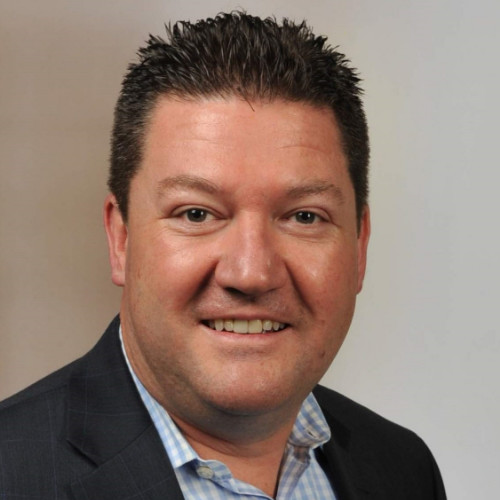
Welcome and opening remarks about the future of Norm Engineering, hosted by Matthew Gracie – Managing Director | Risk, Regulatory & Forensics at Deloitte US, and Hugo Ehrnreich – CEO at Be Informed.
09:45 - 10:15 Panel dicussion: The future of Norm Engineering: opportunities, progress, and impact
This is a round table discussion where experts will explore expectations, ambitions, and opportunities for Norm Engineering.
10:15 - 10:35 Explainability, traceability, reproducibility and accountability with autonomous AI workflows
As AI systems evolve from static models to autonomous workflows capable of planning, acting, and adapting with minimal human intervention, questions of trust and control become critical. This talk examines four foundational pillars required to deploy autonomous AI responsibly at scale: explainability, traceability, reproducibility, and accountability. In this session, Tom van Engers and Sander Klous will discuss how the complexity of multi-step, tool-using, and self-improving AI workflows challenges traditional approaches to model interpretability and auditability.
10:35 - 11:05 Coffee break
11:05 - 11:25 Policy anchors for building a (Dutch) Rules as Code community
11:25 - 11:45 Getting a GRIP on Norm Engineering
In this presentation, Ivar Timmer, professor at the Amsterdam University of Applied Sciences, will explain how Norm Engineering requires new ways of working and new skills across government roles. He will share how Dutch universities developed modular, interdisciplinary courses and how the GRIP learning outcomes framework helps educators and government organizations systematically build professional expertise in Norm Engineering.
11:45 - 12:15 Towards a meta-model for norms
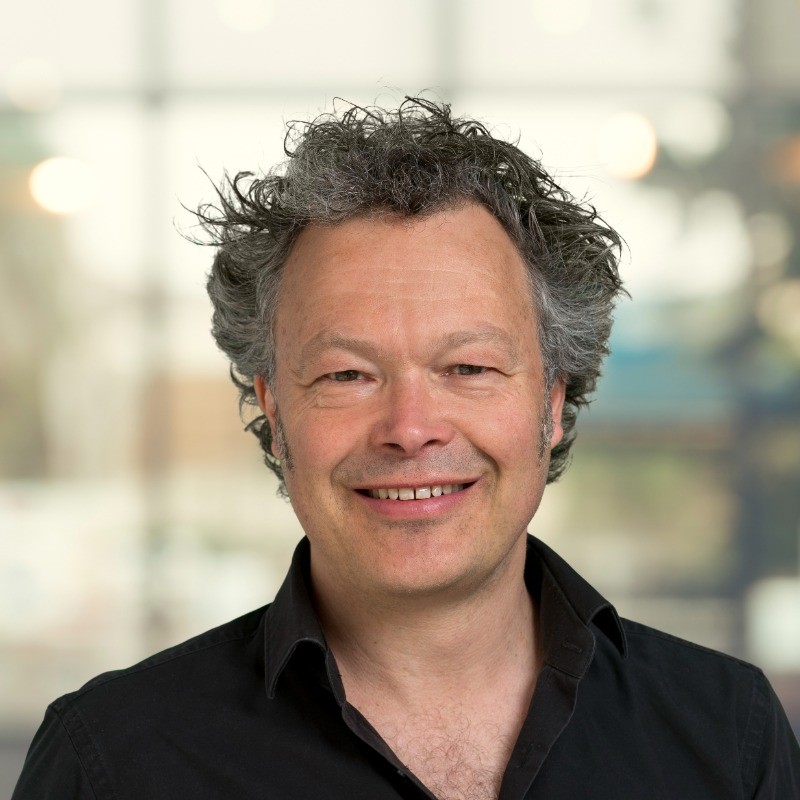
In this session, Robert van Doesburg and Vincent van Dijk explore the relationship between different standards and methods. They discuss where the approaches overlap, how they differ in purpose and scope, and what each contributes to the engineering of regulation. Drawing on practical experience and research, the presentation provides clarity on how these approaches can complement each other and where distinct choices need to be made when designing and implementing regulatory systems.
12:15 - 13:15 Networking lunch
A complimentary international lunch is served in the foyer.
13:15 - 13:45 Use cases: Norm Engineering in law improvement, government execution, operational process compliance
In this section, Geert Rensen and Ronald Heller from Be Informed, will discuss practical examples that demonstrate real-world applications and impact.
13:45 - 14:15 State of the art in Norm Engineering and AI
In this session, Maaike de Boer, senior scientist at TNO, will present how artificial intelligence can support the representation, interpretation, and application of legal norms. The presentation highlights current capabilities, limitations, and emerging research directions, with a focus on responsible and explainable use of AI in regulatory contexts.
14:15 - 14:45 Innovating the building permit request: enhancing AI quality through Norm Engineering – a use case in Flanders
In this session, Stijn Vandeweyer and Sara Maes will explain how the Flemish government will tackle its permitting challenges, using a combination of a digital regulatory database, a large language model, norm engineering, and a dynamic case management platform.
14:45 - 15:15 Coffee break
15:15 - 15:35 Reengineering the policy development process
To be updated
15:35 - 15:55 Quest for simpler and better. Bridging practice and policy. Dutch showcase of the DSO
This session explores the introduction of the Dutch Omgevingswet (Environment and Planning Act). This act is supported by the introduction of a nationwide digital ecosystem: the Digitaal Stelsel Omgevingswet (DSO), with the Omgevingsloket as its public one-stop shop. Together, they represent a systemic innovation in making environmental and planning law machine-readable, geo-referenced and executable. It is one of the world’s first large‑scale innovative implementations of Rules as Code (Norm Engineering).
15:55 - 16:15 The Netherlands Chamber of Commerce KVK journey on becoming more agile in the implementation of legislation
This session, Matthijs ten Hoedt covers the journey of the Netherlands Chamber of Commerce KVK began in 2023 to become more agile in the implementation of legislation. Topics that will be addressed include the challenges the organisation is facing, the vision, and the practical steps KVK is taking with the Data Atlas.
16:15 - 17:00 Panel discussion: The road ahead for Norm Engineering
To be confirmed
17:00 - 17:15 Closing
Closing
17:15 - 19:00 Networking drinks
Speakers and Presentations
Click on the speakers' pictures to learn more.
Maaike de Boer
???
Maaike de Boer
???
Maaike de Boer
???
What is norm engineering?
Norm Engineering converts legal language and regulations into structured data models. This standardized approach allows organizations to automate regulatory interpretation, making compliance systems more accurate in analyzing and monitoring legal requirements.
In collaboration with the University of Amsterdam, TNO, Deloitte, and Be Informed have launched a Norm Engineering programme. This initiative aims to create methods and tools for clear, unambiguous regulatory interpretation. The FLINT language, a key outcome, translates social, ethical, and legal norms into a format both humans and systems understand, enabling seamless automation.